Is Article Marketing the Old New Big Thing in 2026?
Articles are back in a big way. You see it in LinkedIn Articles, long X posts, “the million-dollar” X article contest, and PR-style bylines in industry sites.
Article marketing is driving this trend. If you run a blog or business website to build your online presence, it can feel like everyone suddenly remembers the humble article.
In plain terms, article marketing is a cornerstone of content marketing: publishing helpful articles where your audience already reads. The real question isn’t whether it’s back, it’s whether it ever left.
It didn’t disappear; it just changed shape as part of the evolving digital marketing strategy in 2026.
What article marketing used to mean, and what it means now
Old-school article marketing often meant pumping out generic posts and spraying them across article directories. The goal was quick backlinks and search engine rankings, not real readers.
Now the best results come from writing for people first. Search engines and social platforms reward high-quality content with clear expertise, strong examples, and honest answers as part of search engine optimization.
You’re not trying to “sound smart,” you’re trying to be useful.
Today, article marketing includes your on-site blog posts, guest posts, LinkedIn Articles, X articles, Medium-style platforms, newsletter essays, and bylines in credible industry publications.
The line is simple: if it exists mainly to trick algorithms (spam farms and low-quality article directories), it’s not worth your time.
The old playbook that stopped working
Outdated article marketing had a few common traits:
- Thin content that says little
- Keyword stuffing that reads weird
- Duplicate “spins” of the same post
- Low-quality directories with no real audience
It failed because it didn’t earn trust, and updates pushed it down.
The new playbook that works better in 2026
In inbound marketing, the modern approach to content creation is tighter and more personal. You publish one strong idea, support it with proof (a quick example, a mini case study, a screenshot you describe), and share it where attention already is, not on outdated article directories.
Done right, article marketing builds brand authority and brings leads, even for a small business with limited time. It also helps your content show up in the AI overviews.

Why 2026 feels like “the year of the article.”
Short posts are everywhere, and people are tired of them. Readers want fewer hot takes and more informative articles with real answers.
At the same time, creators want content that lasts longer than a 24-hour spike, boosting online visibility through article marketing.
Articles give you staying power. They help you show real expertise to build industry authority, rank for long-tail questions over time, and earn shares and citations that enhance brand visibility.
When a buyer is cautious (and most are), a solid article works like a helpful salesperson that never clocks out.
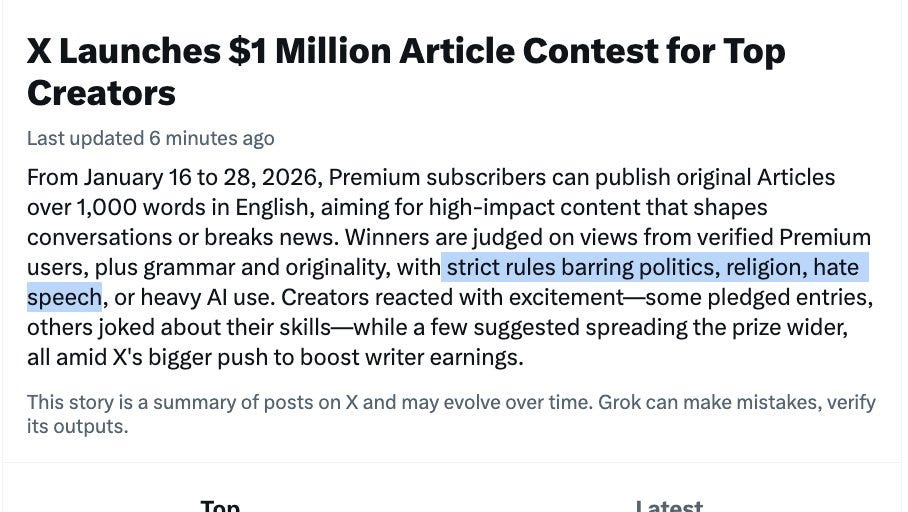
The X Million Dollar Contest
If you haven’t heard, X is hosting a million-dollar contest with their articles. Here are some of the guidelines for you:
LinkedIn, X, and newsletters made long-form cool again
Each channel plays a different role. LinkedIn builds professional trust on social media, X spreads ideas fast through threads that act like mini articles on social media, and newsletters reach an audience you own.
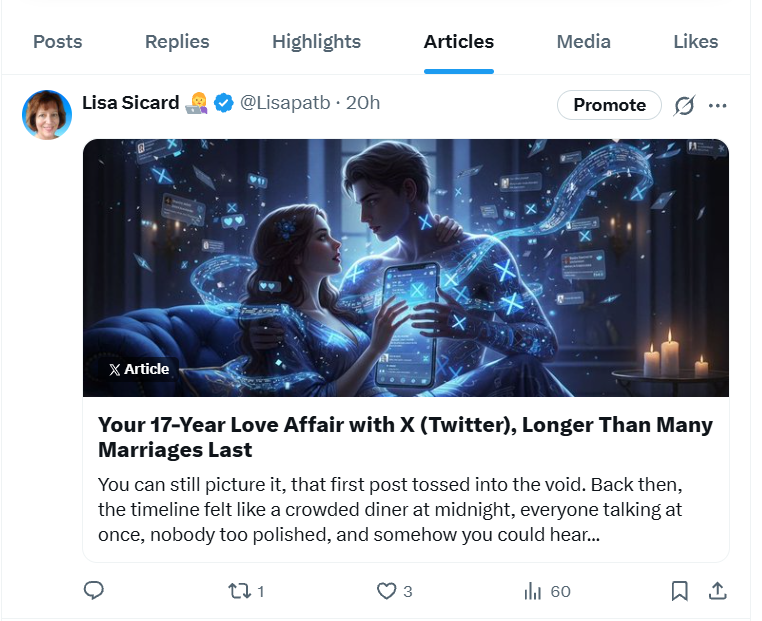
Repurpose one core article into each format through smart article marketing, but don’t copy it word-for-word. Change the hook, add a fresh example, and match the tone.
PR-style articles are a shortcut to trust (when you earn them)
A bylined article, much like press releases, can bring social proof, referral traffic, backlinks, brand recognition, and more brand searches. The catch is quality.
Skip pay-to-publish junk sites. Aim for real audiences and basic editorial standards.
How you can use article marketing without wasting time
Keep it simple: fewer articles, better articles, smarter sharing.
Write one piece of an article marketing that solves one problem for your target audience. Add a clear next step (a checklist, a template, a landing page, a short process).
Publish it on your site first, so you build a library you control. Then distribute versions of the idea where your readers already spend time.
Pick topics that match real questions and real buyers
You don’t need “big” topics. You need real ones. Pull ideas from support emails, DMs, comments, Search Console queries (with some keyword research), sales calls, and competitor gaps to create relevant content.
Choose one narrow problem per article, then end with a takeaway of valuable information your reader can use today.
A simple publishing plan you can repeat each month
Each month, publish one strong article on your site as part of your content strategy. Then create 2 to 3 spokes: a LinkedIn post, an X thread, and a short newsletter note across key marketing channels.
If you have time, pitch one guest posting opportunity or offer a quote to a niche site, using strong anchor text to link back to your main article. You can also hire out for PR marketing.
Track what matters: clicks from website visitors, organic traffic, email signups, leads, and replies. After 30 days, update the original article based on what people asked.
Conclusion
Yes, article marketing is the old new big thing, but only in its modern form. Article marketing succeeds through trust plus smart distribution, not mass posting, much like effective content marketing overall.
Pick one problem your audience has, write one strong article this week that boosts your search results long term, then share it in two places where your ideal readers already hang out and create informative articles.
Labels: lisapats
posted by Jao @ January 24, 2026
0 Comments


0 Comments:
Post a Comment
Subscribe to Post Comments [Atom]
<< Home