How to set up duplicate schema issues on Shopify (step-by-step): autoSchema
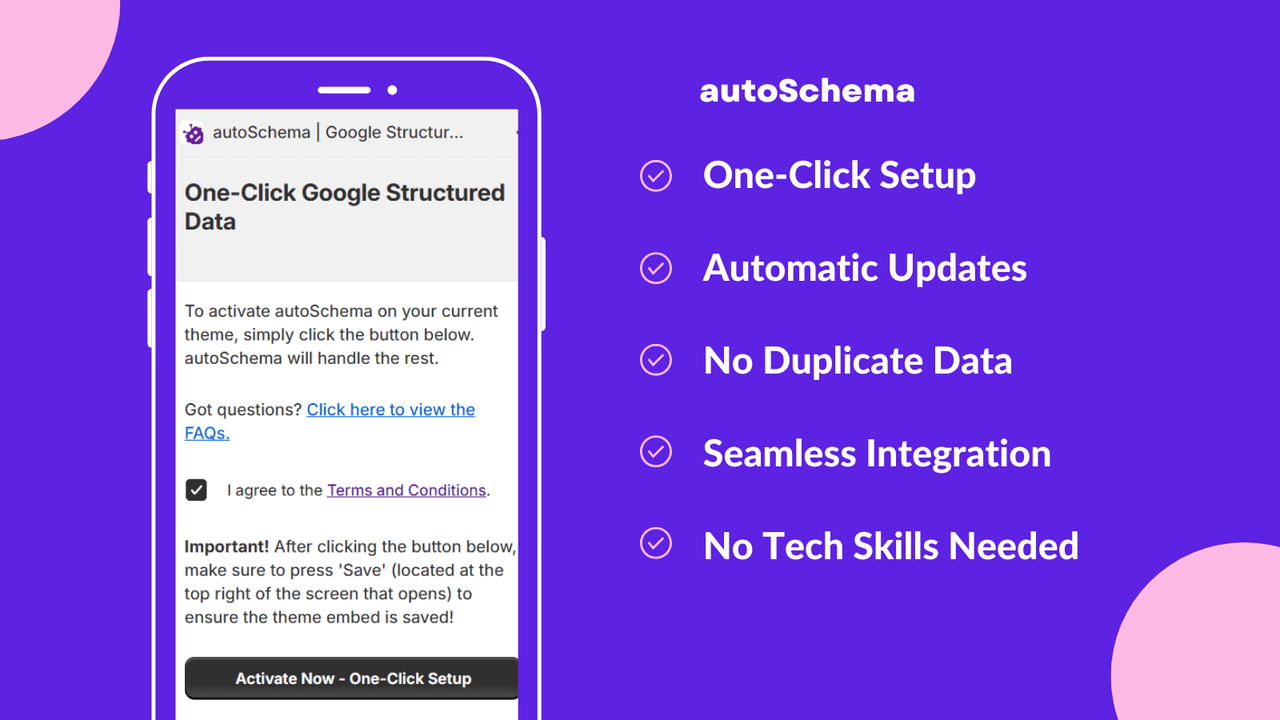
If you’re running a Shopify store, you may have stumbled upon the term “duplicate schema issues.” This article is for anyone looking to understand what these issues are, why they happen, and how to effectively solve them using autoSchema. We’ll walk you through a step-by-step setup process, ensuring your store’s structured data remains pristine and optimized for search engines.
- Understand what duplicate schema issues are.
- Learn why they occur in Shopify stores.
- Discover how to validate your structured data.
- Set up autoSchema for seamless maintenance.
What duplicate schema issues actually are (in plain English)
Duplicate schema issues occur when multiple pieces of structured data on your website are identical or conflict with each other. Structured data is used by search engines to understand the content of your pages better, and when it’s duplicated, it can confuse these engines. This confusion can lead to lower search visibility, which is something no store owner wants.
Imagine you have two pages on your Shopify store that describe the same product but with slightly different variations in structured data. Search engines might not know which one to prioritize, leading to potential SEO penalties or missed opportunities for rich results.
Why Shopify stores get duplicate schema issues wrong
Shopify stores can run into duplicate schema issues for several reasons:
- Themes and plugins: Some Shopify themes and apps automatically generate structured data. If multiple sources are creating similar schema for the same content, this can lead to duplicates.
- Manual entries: Store owners might inadvertently add schema manually while also relying on automated solutions, leading to conflicting data.
- Product variations: If not managed correctly, product variants can generate duplicate schema if they are not configured properly.
Understanding these common pitfalls is crucial for maintaining a clean structured data setup.
What to look for in an app for duplicate schema issues
- Easy one-click setup to integrate structured data.
- Automatic updates to structured data as your store changes.
- Prevention of duplicate or invalid schema that could harm SEO.
- Compatibility with existing themes without the need for technical skills.
How to validate results (Search Console, rich results testing)
After setting up your structured data, it’s important to validate it. You can do this through Google Search Console and the Rich Results Test tool. Here’s how:
- Google Search Console: Navigate to the “Enhancements” section to check for any warnings or errors related to structured data.
- Rich Results Test: Enter your product page URL and check how Google interprets your structured data. This tool will show you if your schema is valid or if there are any issues.
Regularly validating your structured data will help you catch any potential problems early on.
Common pitfalls (duplicate schema, missing fields, theme conflicts)
Even with the best intentions, you can still run into issues. Here are common pitfalls to watch out for:
- Duplicate schema: As discussed earlier, this can happen due to multiple sources generating similar data.
- Missing fields: Ensure that all necessary fields are filled out in your structured data. Missing fields can lead to incomplete information for search engines.
- Theme conflicts: Some themes may not support certain types of structured data, leading to errors. Always check compatibility.
A simple ongoing maintenance approach
Keeping your structured data clean and error-free is an ongoing task. Here are a few tips for maintenance:
- Regularly review your structured data using Google Search Console.
- Keep an eye on updates from Shopify, as changes may affect existing schema.
- Use tools like autoSchema to automate updates and minimize manual errors.
Setup checklist
- Install autoSchema from the Shopify App Store.
- Follow the one-click setup process to activate structured data.
- Regularly check Google Search Console for any schema-related warnings.
- Use the Rich Results Test tool to validate your structured data.
FAQ
What is structured data?
Structured data is a standardized format for providing information about a page and classifying the content on the page. It helps search engines understand your content better.
How do I know if I have duplicate schema issues?
You can identify duplicate schema issues by checking your Google Search Console for warnings or using tools like the Rich Results Test.
Can I fix duplicate schema issues manually?
Yes, you can manually edit your structured data, but using an app like autoSchema can automate the process and reduce errors.
What happens if I don’t fix duplicate schema issues?
If not addressed, duplicate schema issues can lead to lower search visibility and potential penalties from search engines.
Is autoSchema suitable for beginners?
Absolutely! autoSchema is designed to be user-friendly, requiring no technical skills for setup and maintenance.
How often should I check my structured data?
It’s a good idea to check your structured data regularly, especially after making significant changes to your store or products.
Does autoSchema integrate with all Shopify themes?
autoSchema is designed to work seamlessly with existing themes, but it is always a good idea to check compatibility if you’re using a highly customized theme.
By following these steps and leveraging tools like autoSchema, you can effectively tackle duplicate schema issues on your Shopify store. Remember, clean structured data not only enhances your search visibility but also improves the overall user experience. Happy selling!
Want to try it? Take a look at autoSchema on the Shopify App Store.

Labels: ohermans1
posted by Jao @ April 15, 2026
0 Comments


0 Comments:
Post a Comment
Subscribe to Post Comments [Atom]
<< Home