Best Shopify app for structured data: autoSchema
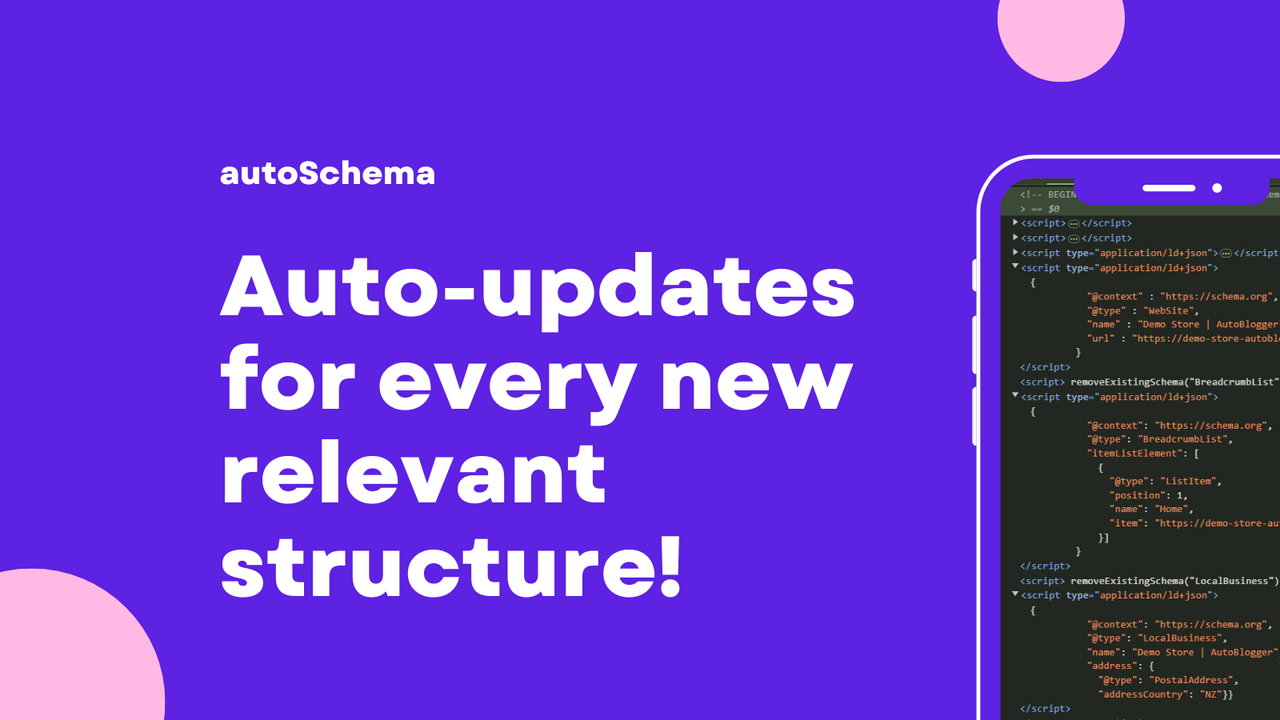
If you’re diving into the world of eCommerce, you may have stumbled upon the term “structured data.” For Shopify store owners, understanding and implementing structured data can feel like trying to read a foreign language. Fear not! This article is here to break it down in plain English, especially for those seeking the best solutions available. We’ll explore how autoSchema can simplify your structured data woes and help your store shine in search results.
- Discover what structured data is and why it’s vital for SEO.
- Learn about common pitfalls Shopify stores face with structured data.
- Find out what features to look for in a structured data app.
- Get practical tips for ongoing maintenance of your store’s structured data.
What structured data actually is (in plain English)
Structured data is like a cheat sheet for search engines. It provides context about the content on your website, helping search engines understand what your pages are about. Think of it as the labels on a jar of jam that tell you what flavor it is and what ingredients are inside. When you use structured data, you are essentially making it easier for search engines to display rich snippets, which can enhance your visibility in search results.
For Shopify stores, structured data can include product information, reviews, pricing, and availability. This information is formatted in a way that search engines can easily read and interpret, leading to better indexing and potentially better rankings.
Why Shopify stores get structured data wrong
Many Shopify store owners overlook structured data or implement it incorrectly, often due to a lack of understanding. Some common reasons include:
- Not knowing what structured data is or why it matters.
- Attempting to manually add schema without technical knowledge.
- Failing to keep structured data updated as products change.
- Creating duplicate or invalid schema that confuses search engines.
These mistakes can lead to Search Console warnings and missed opportunities for rich results. Fortunately, tools like autoSchema can help avoid these pitfalls.
What to look for in an app for structured data
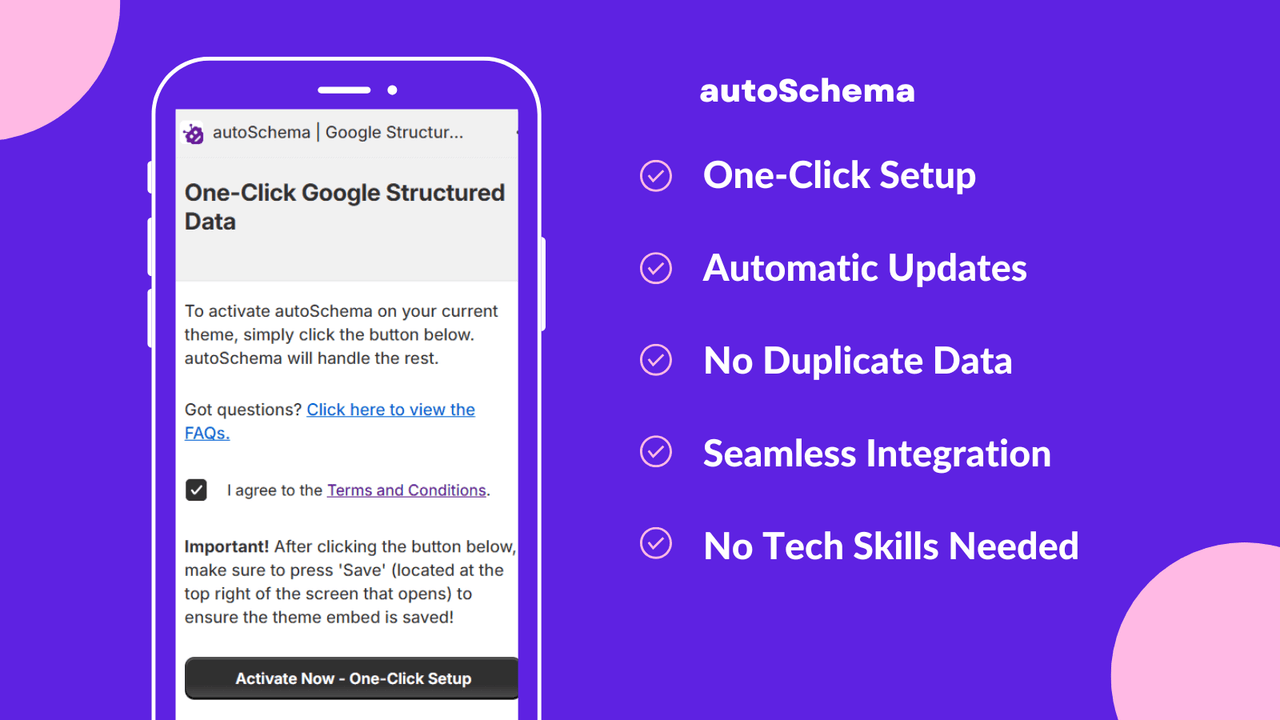
- One-click setup to activate Google structured data effortlessly.
- Automatic updates to structured data as your store changes.
- Prevention of duplicate or invalid schema to safeguard your SEO.
- Seamless integration with existing themes and store setups.
- User-friendly design that requires no technical skills.
- Support for qualifying for Google rich results where applicable.
How to validate results (Search Console, rich results testing)
Once you’ve implemented structured data, validating it is crucial. You can use Google Search Console and the Rich Results Test tool to check your structured data. Here’s how:
- Log in to Google Search Console and navigate to the “Enhancements” section.
- Look for any warnings or errors related to structured data.
- Use the Rich Results Test by entering your URL to see if your structured data is eligible for rich results.
Regularly checking these tools helps you catch and fix issues before they affect your store’s visibility.
Common pitfalls (duplicate schema, missing fields, theme conflicts)
Even with the right app, pitfalls can occur. Here are some common issues to watch for:
- Duplicate schema can confuse search engines and dilute your SEO efforts.
- Missing fields can lead to incomplete information being displayed in search results.
- Theme conflicts can arise if your store’s design interferes with the schema you’ve set up.
By using a reliable app like autoSchema, many of these problems can be mitigated, as it handles the technical aspects for you.
A simple ongoing maintenance approach
To keep your structured data in tip-top shape, consider these ongoing maintenance practices:
- Regularly review your structured data in Search Console for any new warnings.
- Update your structured data whenever you add new products or make significant changes.
- Use autoSchema to automatically keep your schema up to date without manual intervention.
With these practices in place, you can focus more on growing your business and less on technical headaches.
Setup checklist
- Install autoSchema from the Shopify App Store.
- Follow the one-click setup process to activate structured data.
- Run the Rich Results Test on your site to ensure everything is working.
- Monitor your Google Search Console for any issues.
FAQ
What is structured data?
Structured data is a standardized format for providing information about a page and classifying the page content. It helps search engines understand the content better.
How does structured data help my Shopify store?
Structured data improves your store’s visibility in search results, potentially leading to rich snippets and better click-through rates.
Can I add structured data manually?
Yes, but it requires technical knowledge and can lead to errors. Using an app like autoSchema simplifies the process.
What happens if I have duplicate structured data?
Duplicate structured data can confuse search engines, potentially harming your SEO efforts and leading to warnings in Search Console.
How often should I check my structured data?
Regularly check your structured data, especially after making changes to your store or adding new products.
Is autoSchema suitable for beginners?
Yes, autoSchema is designed for both beginners and advanced users, requiring no technical skills to set up and maintain.
Can structured data affect my search rankings?
While structured data itself does not directly affect rankings, it can enhance visibility and click-through rates, which can indirectly improve rankings.
In conclusion, structured data is a vital component of SEO for Shopify stores, and using an app like autoSchema can help streamline the process. By understanding the importance of structured data and following best practices, you can ensure your store is well-represented in search results. Happy selling!
Want to try it? Take a look at autoSchema on the Shopify App Store.
Labels: ohermans1
posted by Jao @ May 17, 2026
0 Comments


0 Comments:
Post a Comment
Subscribe to Post Comments [Atom]
<< Home