Best Shopify app for fixing schema errors: autoSchema
If you’re running a Shopify store and have stumbled upon the term “fixing schema errors,” you’re likely in search of a solution that will help you enhance your store’s visibility on search engines. Schema markup is essential for helping search engines understand the content of your pages, and errors in this area can lead to missed opportunities for rich results in Google. This article is for Shopify store owners and developers who want to understand schema errors better and find an effective tool, like autoSchema, to fix these issues smoothly.
- Learn what fixing schema errors means in simple terms.
- Discover common pitfalls that lead to schema errors.
- Find out what to look for in a Shopify app designed for fixing these errors.
- Get a checklist for setting up your schema correctly.
What fixing schema errors actually is
In plain English, fixing schema errors involves correcting issues with the structured data that helps search engines like Google understand your website’s content. Schema markup is a type of code added to your pages that provides search engines with specific information about your products, services, and site structure.
Imagine you’re trying to explain your store to a friend who doesn’t speak your language. If you use clear and precise phrases, they’ll understand you better. Schema markup does the same for search engines, ensuring they grasp the essence of your pages. When there are errors in this markup, it can lead to incorrect indexing and missed opportunities for appearing in rich snippets or other enhanced search results.
Why Shopify stores get fixing schema errors wrong
Many Shopify store owners face challenges with schema errors due to a few common reasons:
- Lack of Technical Knowledge: Not everyone is a coding whiz. Many store owners simply don’t know how to implement or check schema markup.
- Frequent Theme Changes: If you frequently update your store’s theme, it can disrupt existing schema markup, leading to errors.
- Manual Errors: Incorrectly adding or modifying schema by hand can easily lead to mistakes, such as duplicate or missing fields.
- Integration Issues: Some apps or third-party tools may conflict with existing schema, causing errors that can harm SEO.
What to look for in an app for fixing schema errors
- One-click setup to easily activate Google structured data.
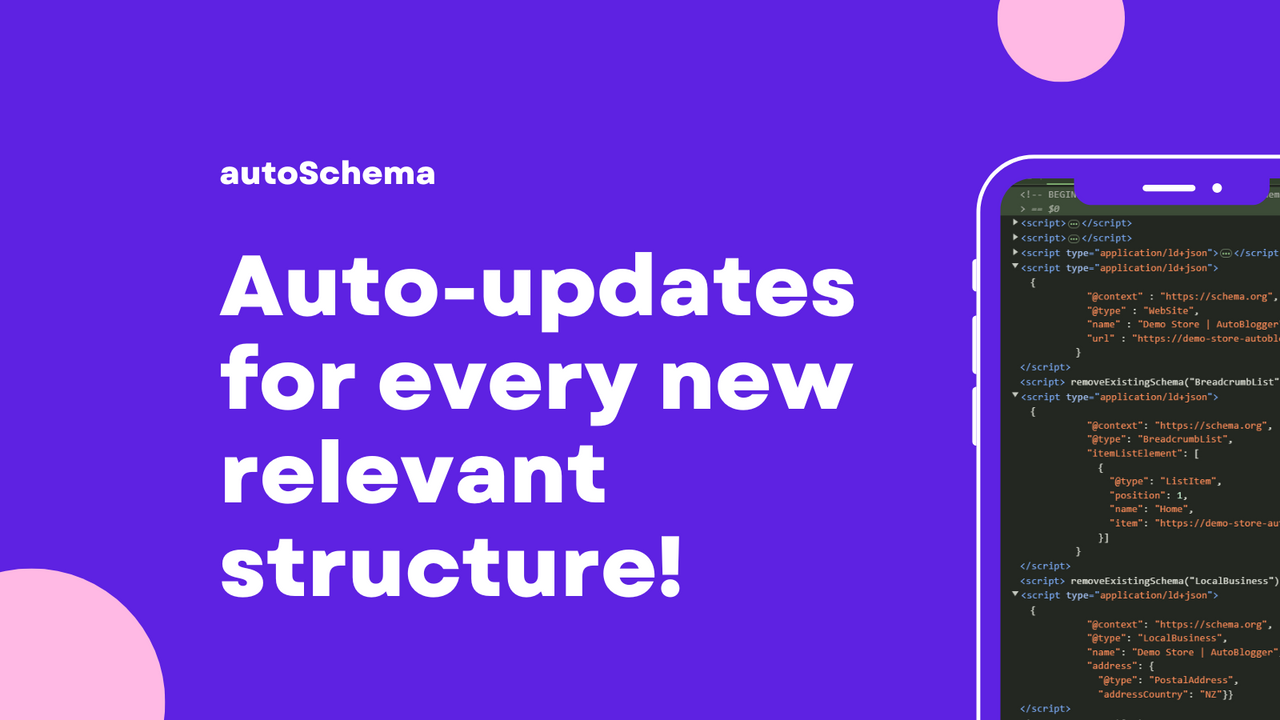
- Automatic updates to keep structured data current as your store changes.
- Prevention of duplicate or invalid schema that could harm SEO.
- Seamless integration with existing themes and store setups.
- No technical skills required, appealing to beginners and advanced users alike.
- Reduction of Search Console warnings caused by broken or outdated schema.
- Support for qualifying correctly for Google rich results where applicable.
How to validate results
Once you’ve implemented schema markup, it’s crucial to validate your results. Here are two effective tools you can use:
- Google Search Console: This tool helps you monitor, maintain, and troubleshoot your site’s presence in Google Search results. You can check for structured data errors and warnings here.
- Rich Results Test: Use this tool to see how your structured data will appear in Google search results. It will also highlight any errors or warnings related to your schema markup.
Common pitfalls
Even with the right tools, there are common pitfalls to be aware of:
- Duplicate Schema: Adding the same schema markup to multiple places can confuse search engines and lead to penalties.
- Missing Fields: Omitting key fields can result in your pages not qualifying for rich results.
- Theme Conflicts: Some themes may already have schema markup integrated, which can conflict with new additions.
A simple ongoing maintenance approach
To keep your schema errors at bay, consider these simple maintenance tips:
- Regularly check your Google Search Console for any new warnings or errors.
- Keep your apps and themes updated to ensure compatibility with schema markup.
- After any major changes to your store, revalidate your schema using the Rich Results Test.
Setup checklist
- Sign up for autoSchema from the Shopify app store.
- Follow the one-click setup process to activate structured data.
- Review your existing schema to identify any conflicts or errors.
- Use Google Search Console and Rich Results Test to validate your schema.
- Set a schedule for regular checks and updates.
FAQ
What are schema errors?
Schema errors occur when there is an issue with the structured data on your website, preventing search engines from understanding your content correctly.
How can I fix schema errors on my Shopify store?
You can fix schema errors by using apps like autoSchema, which automates the addition and maintenance of structured data.
Why is it important to fix schema errors?
Fixing schema errors is crucial for improving your store’s visibility in search results and qualifying for rich snippets, which can enhance click-through rates.
Can I manually add schema markup to my Shopify store?
Yes, but it requires some technical knowledge. Many store owners prefer using apps to avoid potential errors.
What happens if I don’t fix schema errors?
If you don’t fix schema errors, your pages may not be indexed correctly, which can lead to reduced visibility in search results.
How often should I check for schema errors?
It is advisable to check for schema errors regularly, especially after any major changes to your store, such as theme updates or app installations.
Is autoSchema easy to use for beginners?
Yes, autoSchema is designed to be user-friendly, making it accessible for both beginners and advanced users.
In conclusion, fixing schema errors is vital for any Shopify store looking to improve its search engine visibility. With tools like autoSchema, you can automate the process, ensuring your structured data is always accurate and up to date. Don’t let schema errors hold your store back; take action today and watch your search visibility flourish!
Want to try it? Take a look at autoSchema on the Shopify App Store.

Labels: ohermans1
posted by Jao @ March 04, 2026
0 Comments


0 Comments:
Post a Comment
Subscribe to Post Comments [Atom]
<< Home