How to Search Console schema warnings on Shopify: a practical guide (using autoSchema)
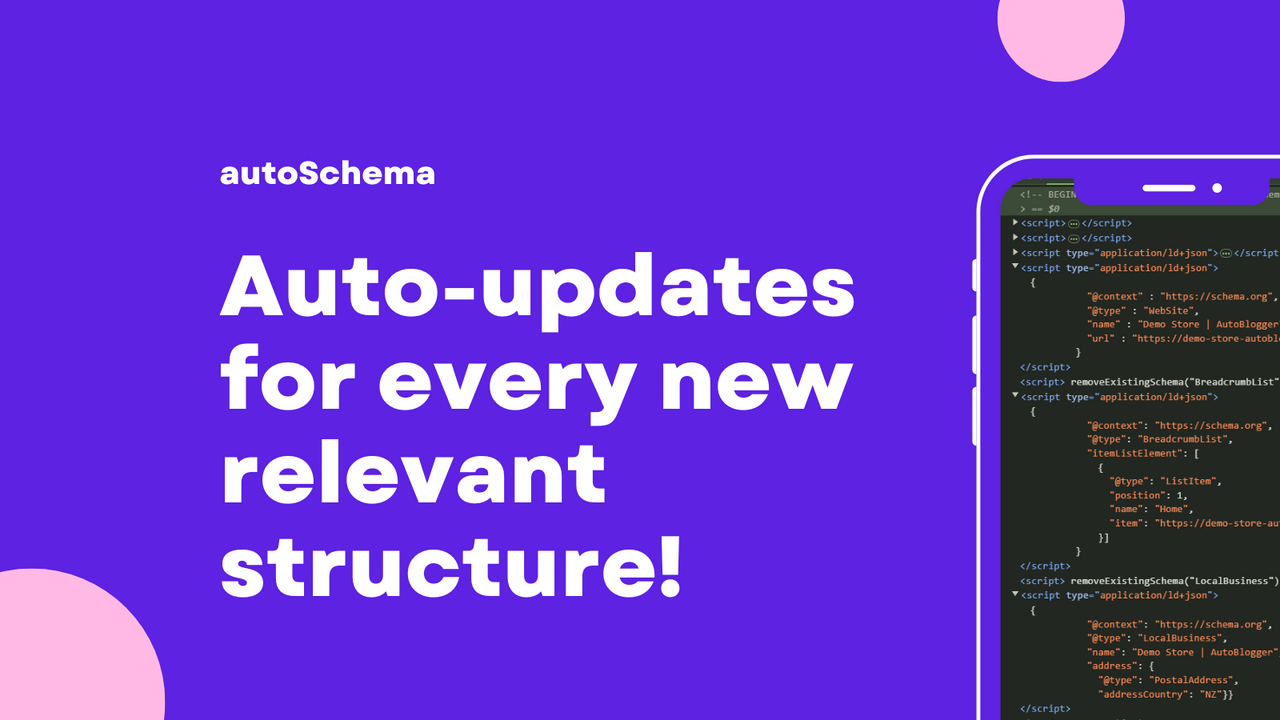
If you have a Shopify store, you might have come across Search Console schema warnings. These warnings can be a source of frustration, especially if you are not technically inclined. This article is designed for Shopify store owners who want to understand these warnings and learn how to address them effectively using autoSchema. We will explore what schema warnings are, why they occur, and how to resolve them.
- Understand what Search Console schema warnings are
- Learn why Shopify stores may encounter these warnings
- Discover what to look for in an app designed to resolve schema issues
- Get practical tips for validating your results
What Search Console schema warnings actually are
In simple terms, Search Console schema warnings indicate that there are issues with the structured data on your Shopify store. Structured data is a standardized format for providing information about a page and classifying the page content. Google uses this data to better understand your website and enhance search results with rich snippets. When there are warnings, it means something is off, and your store may not be fully optimized for search visibility.
Why Shopify stores get Search Console schema warnings wrong
There are several reasons why Shopify stores may encounter schema warnings. Some of the most common include:
- Incorrectly implemented schema: Many store owners attempt to add schema markup manually, which can lead to mistakes.
- Outdated information: If your store changes and the schema does not update accordingly, it can result in warnings.
- Duplicate schema: Having multiple instances of the same schema markup can confuse search engines.
- Missing required fields: Certain types of structured data require specific fields to be filled out. Missing these can trigger warnings.
What to look for in an app for Search Console schema warnings
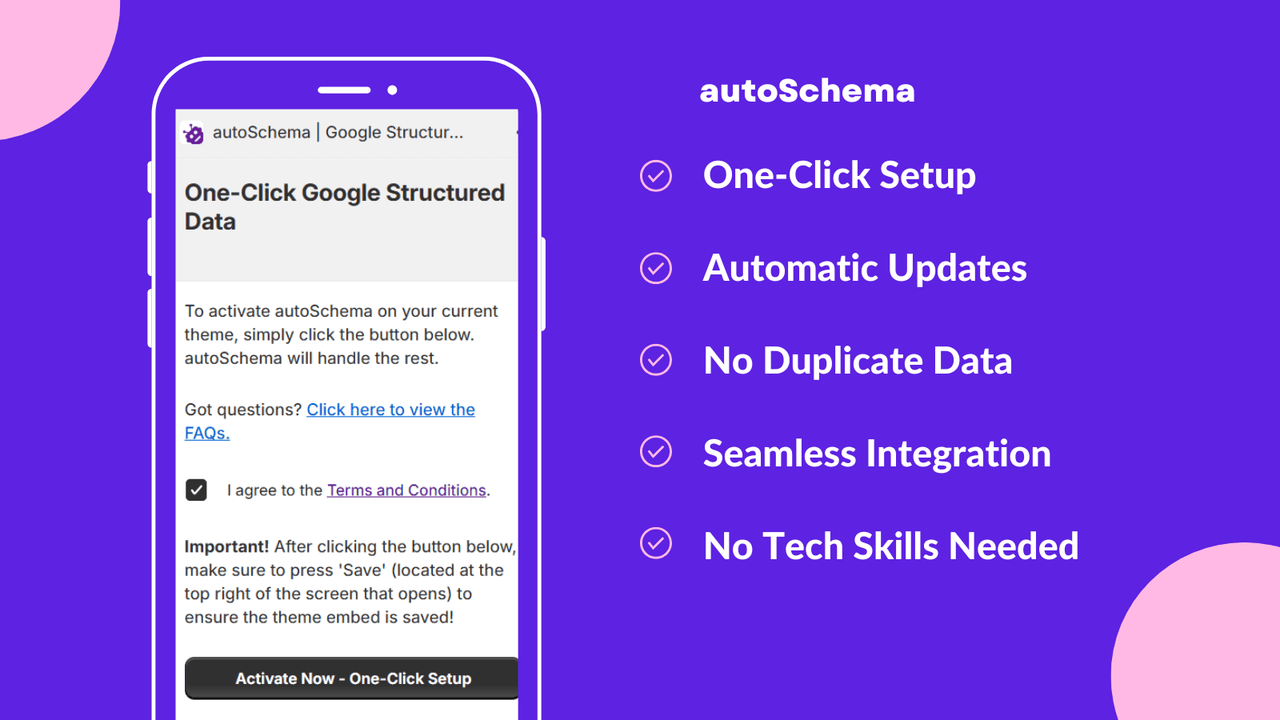
- One-click setup: The app should easily activate Google structured data without technical effort.
- Automatic updates: Ensure the app keeps structured data current as your store evolves.
- Prevention of duplicate or invalid schema: Look for features that help avoid errors that could harm your SEO.
- Seamless integration: The app should work well with your existing themes and store setups.
- User-friendly: It should be designed for both beginners and advanced users.
- Rich results qualification: The app should help your store qualify for Google rich results where applicable.
How to validate results (Search Console, rich results testing)
Once you have implemented structured data using an app like autoSchema, it is important to validate your results to ensure everything is working correctly. Here are a few steps to follow:
- Use Google Search Console: After implementing structured data, check Google Search Console for any new warnings or errors.
- Rich Results Test: Utilize Google’s Rich Results Test tool to see if your pages are eligible for rich results.
- Check for updates: Regularly monitor your Search Console account for any changes in warnings or errors.
Common pitfalls (duplicate schema, missing fields, theme conflicts)
When it comes to schema markup, it is easy to stumble into common pitfalls. Here are a few to watch out for:
- Duplicate schema: Make sure that you do not have multiple schema markups for the same content.
- Missing fields: Always check that you are including all required fields for the type of schema you are using.
- Theme conflicts: Sometimes, custom themes may interfere with the proper implementation of schema.
- Manual errors: If you are manually adding schema, double-check for typos or formatting issues.
A simple ongoing maintenance approach
Maintaining your schema is crucial to prevent future warnings. Here are a few tips for ongoing maintenance:
- Regular audits: Schedule regular audits of your structured data to catch any new issues early.
- Stay updated: Keep your Shopify theme and apps updated to ensure compatibility.
- Monitor performance: Use Google Analytics alongside Search Console to track how changes impact your traffic.
Setup checklist
- Install the app: Start by installing autoSchema from the Shopify App Store.
- Configure settings: Follow the app’s setup guide to configure your structured data settings.
- Validate schema: Use the tools mentioned earlier to validate your structured data.
- Monitor for warnings: Regularly check Google Search Console for any new schema warnings.
FAQ
What are Search Console schema warnings?
Search Console schema warnings indicate that there are issues with the structured data on your Shopify store that need to be addressed.
How can I fix schema warnings on my Shopify store?
Using an app like autoSchema can help automate the fixing of schema warnings by ensuring accurate and up-to-date structured data.
Can I manually implement structured data on Shopify?
Yes, but it is often prone to errors. Using an app can simplify the process and reduce the risk of mistakes.
How often should I check for schema warnings?
It is a good practice to check your Search Console regularly, ideally monthly, to catch any new warnings or issues early.
What if I continue to get warnings after using an app?
If warnings persist, it may be worth consulting the app’s support team or reviewing your theme for conflicts.
Does using structured data guarantee rich results?
No, while structured data helps increase the chances of rich results, it does not guarantee them. Google determines eligibility based on various factors.
Is technical knowledge required to use autoSchema?
No, autoSchema is designed for users of all skill levels, requiring little to no technical knowledge to set up and maintain.
Want to try it? Take a look at autoSchema on the Shopify App Store.
Labels: ohermans1
posted by Jao @ July 26, 2026
0 Comments


0 Comments:
Post a Comment
Subscribe to Post Comments [Atom]
<< Home