Welcome to Swepouch: Your Go-To for Flavorful Nicotine Pouches
If you’re on the lookout for quality nicotine pouches bursting with flavor, then you’re in for a treat at Swepouch. Here, you’ll find a delicious array of options, perfect for both seasoned connoisseurs and those curious to explore. Let’s dive into what makes this shop special and some standout products you won’t want to miss.
Discover the Collection
Swepouch shines in offering a broad selection of nicotine pouches that prioritize taste and experience. Each product is designed to deliver satisfaction with every pouch. Among their featured offerings, you’ll find:
Puff & Pouch Juicy Berries — A delightful burst of mixed berry goodness that feels like summer in every pouch.
Puff & Pouch Ice — Chill out with this cool minty flavor that refreshes and invigorates.
on! Mint — For those who love a fresh breath moment, this mint is a must-try!
skruf Fresh Mint — A crisp and cool option that hits the spot without any fuss.
ZYN Watermelon Mint — This sweet and fruity twist is a refreshing change from the usual.
Greatest Mango — Transport yourself to a tropical paradise with the vibrant flavor of mango.
Greatest Lemonade — A sweet, citrusy delight that brings sunny vibes no matter the weather.
Greatest Arctic — Enjoy the cool sensation of arctic freshness, perfect for hot days.
Why Choose Swepouch?
Swepouch is not just about pouches; it’s about the experience and commitment to quality. They aim to provide a platform that connects businesses and customers with the finest nicotine pouch brands available globally. With a focus on flexibility and convenient sourcing, you can enjoy everything from single cases to full pallet shipments.
You’ll love their variety not just in flavors but also in the strengths offered — making it easier than ever to customize your nicotine experience to suit your preferences.
Seasonal Favorites and Trends
The world of nicotine pouches is always evolving, and Swepouch stays ahead of the curve with seasonal offerings that cater to current tastes. Whether you’re looking to indulge in a cozy flavor during the colder months or refresh your palate with light and fruity notes during summer, there’s something new to explore.
on! Coffee — For coffee lovers, this flavor will surely awaken your senses.
Committed to Quality
At Swepouch, quality isn’t just a slogan — it’s a promise. They work with well-known brands to ensure that every pouch is crafted from premium ingredients, providing users with a satisfying experience and peace of mind. The commitment to customer satisfaction shines through in their user-friendly platform and responsive customer support, making your shopping experience smooth and enjoyable.
Your Invitation
Ready to explore the flavorful world of nicotine pouches? Visit Swepouch to browse their enticing collection and discover the perfect pouch for your needs. With fast shipping and a commitment to providing the best, your next favorite flavor is just a click away!
Disclaimer: The information presented in this blog post is based on publicly available data from https://swepouch.com. Accuracy is not guaranteed — please verify before making decisions.
How to AI blog posts on Shopify (checklist + setup): autoBlogger
If you’re a Shopify merchant looking to enhance your store’s content strategy, you might be wondering how to create AI blog posts that not only engage your audience but also improve your SEO. The quest for quality content can be overwhelming, especially when you’re juggling multiple aspects of your business. Luckily, tools like autoBlogger can help automate this process, allowing you to focus on what you do best: running your store.
Understand the benefits of AI-generated blog posts.
Discover what to look for in a Shopify blog app.
Follow a checklist to ensure quality content.
Avoid common pitfalls associated with AI-generated content.
What AI blog posts mean for a Shopify store (and why it’s harder than it sounds)
AI blog posts can be a game changer for Shopify stores. They can generate content quickly, targeting specific keywords and topics that resonate with your audience. However, it’s not as simple as flipping a switch. Quality control is paramount. Poorly written posts can hurt your brand’s reputation and SEO.
The challenge lies in ensuring that the content is not only informative but also engaging. AI-generated content can sometimes feel robotic or lack the personal touch that audiences crave. That’s where understanding what constitutes high-quality content comes into play.
What to look for in an app for AI blog posts
Ease of use: The app should be user-friendly, allowing you to set it up without tech headaches.
SEO optimization: Look for tools that automatically structure content for SEO, including headings and metadata.
Content variety: Ensure the app can generate both topic-based and product-focused posts.
Integrated product links: Your blog posts should seamlessly include links to your products.
A simple setup that won’t break your theme
Setting up an AI blogging app like autoBlogger is straightforward. You won’t need to be a coding wizard to get it running smoothly. Here’s a quick rundown of the setup process:
Install the app from the Shopify App Store.
Connect your store and choose your blog settings.
Select your preferred article mode: topic-based or product-focused.
Customize your SEO settings and keywords to target.
Schedule your content: decide how often you want posts to go live.
This simple process ensures you can start generating content without worrying about disrupting your store’s theme or layout.
How to keep quality consistent (without sounding like AI)
One of the biggest concerns with AI-generated content is the potential for it to sound, well, artificial. Here are a few tips to maintain a human touch:
Customize the generated content: Always review and tweak the AI-generated posts to match your brand voice.
Include personal anecdotes or insights: This adds a personal touch that resonates with readers.
Use the app’s editing features: autoBlogger allows you to edit posts directly in Shopify’s blog editor, making it easy to refine your content.
Common pitfalls (thin content, duplication, poor internal linking)
While AI can save time, it also comes with risks. Here are common pitfalls to watch out for:
Thin content: Ensure that your posts provide value. Avoid fluff and aim for depth.
Duplication: AI can sometimes produce similar content. Regularly check for plagiarism and uniqueness.
Poor internal linking: A good blog post should link to relevant pages within your store to improve SEO and user experience.
Quick checklist to sanity-check each post before it goes live
Setup checklist
Have you customized the generated content to match your brand voice?
Is the SEO structure intact, including headings and metadata?
Are relevant product links included in the post?
Have you checked for plagiarism and ensured content uniqueness?
FAQ
What is autoBlogger?
autoBlogger is an app designed for Shopify merchants to automate blog post creation using AI. It generates SEO-friendly posts that can be customized to fit your brand.
How does autoBlogger improve SEO?
The app structures content with SEO best practices in mind, including metadata, headings, and internal linking, which helps improve your store’s visibility.
Can I edit the posts generated by autoBlogger?
Yes, you can edit the AI-generated posts directly within Shopify’s blog editor, allowing you to customize content as needed.
Does autoBlogger support product-focused posts?
Absolutely! autoBlogger offers two article modes: topic-based and product-focused, giving you flexibility in your content strategy.
What should I do if I notice duplicate content?
Regularly check your blog for duplication and use the app’s features to tweak content to ensure uniqueness and value.
How often can I publish posts with autoBlogger?
You can schedule posts to be published as frequently as you like, making it easy to maintain a consistent content calendar.
Is there a trial period for autoBlogger?
The availability of a trial period can vary, so it is best to check the app’s listing in the Shopify App Store for the latest details.
In conclusion, AI blog posts can revolutionize your Shopify store’s content strategy, but quality and consistency are key. By using tools like autoBlogger, you can automate the process while still ensuring your content resonates with your audience. For more information or to get started, visit this link.
Want to try it? Take a look at autoBlogger on the Shopify App Store.
The Impact of Drone Delivery on Last-Mile Logistics
Imagine a world where your pizza arrives faster than you can say “extra cheese!” Thanks to the rise of drone delivery, that world is quickly becoming a reality. In recent years, drones have shifted from military tools to our friendly neighborhood delivery bots, zooming overhead to drop off packages right at our doorsteps. But how exactly are these flying wonders impacting last-mile logistics? Buckle up, because we’re about to take a flight through the world of drone delivery!
What is Last-Mile Logistics?
Before we dive into the drone aspect, let’s clarify what last-mile logistics means. In simple terms, last-mile logistics refers to the final step of the delivery process, where goods are transported from a distribution center to the final destination — usually a customer’s home or business. Think of it as the grand finale of a concert, where the lead singer finally steps out to take a bow. It’s critical and often the most complicated part of the supply chain.
Why Drones?
So, why the sudden fascination with drones? Well, they offer a few key advantages:
Speed: Drones can bypass traffic and other road obstacles, allowing for quicker deliveries.
Cost Efficiency: Although the initial investment can be steep, drones can reduce labor and fuel costs in the long run.
Environmental Impact: Drones are generally more eco-friendly than traditional delivery vehicles, emitting fewer greenhouse gases.
In a world where “instant gratification” is the name of the game, drones are the superheroes we never knew we needed.
Real-World Applications
Several companies have already jumped on the drone delivery bandwagon. For example, Amazon has been testing its Prime Air service, promising delivery within 30 minutes. On the other hand, Wing, a subsidiary of Alphabet (Google’s parent company), has already been making deliveries in select areas. They recently partnered with local businesses to deliver everything from coffee to medicine. Talk about taking “home delivery” to new heights!
The Challenges of Drone Delivery
However, not everything is sunshine and rainbows in the world of drone delivery. There are several challenges to consider:
Regulations: Airspace regulations can be a massive hurdle. Drones need to navigate a complex web of laws and restrictions, which can vary from country to country.
Safety: The last thing we want is a drone crash-landing into a parked car or, worse, a person. Ensuring safety protocols are in place is crucial.
Weather Dependability: Drones don’t exactly thrive in heavy rain or snow. They might be flying machines, but they still have their limitations.
It’s like trying to teach a cat to fetch — it sounds fantastic, but the reality can be a bit messy.
The Future of Last-Mile Logistics
Despite these challenges, the future looks promising for drone delivery. As technology improves, we can expect to see:
Better Battery Life: Longer-lasting batteries could extend flight times and delivery ranges.
Advanced Navigation Systems: Improved GPS and obstacle avoidance systems can make drones safer and more reliable.
Integration with Existing Logistics: Combining drone delivery with traditional methods could create a seamless supply chain.
Think of it like the ultimate mashup of delivery methods — the best of both worlds!
Impact on Businesses
Businesses stand to gain tremendously from incorporating drone delivery into their logistics. Here are some potential benefits:
Increased Customer Satisfaction: Fast deliveries lead to happier customers who are more likely to return for more.
Expanded Reach: Drones can access remote or hard-to-reach locations, opening up new markets.
Competitive Edge: With the ability to deliver faster than competitors, businesses can position themselves as leaders in innovation.
However, businesses must also adapt their strategies to integrate drone technology effectively. This includes investing in the necessary infrastructure and training staff to manage drone operations. It’s not just about having a drone; it’s about using it wisely!
The Human Element
While drones may seem like the future, we mustn’t forget the human element in logistics. Drones can help with efficiency, but they can’t replace the personal touch that human delivery personnel provide. Imagine receiving a package and not getting a friendly “How’s your day going?” — it just wouldn’t feel the same. So, while drones may take over the skies, human workers will remain essential in ensuring that the delivery experience is top-notch.
Conclusion
In conclusion, drone delivery is poised to revolutionize last-mile logistics, offering speed, cost-effectiveness, and environmental benefits. While the challenges are indeed daunting, the potential for innovation and improvement is limitless. With the right technology and strategies in place, businesses can harness the power of drones to enhance their logistics and create a better customer experience.
Now, if only they could figure out how to deliver my morning coffee without spilling it… That would be the real game-changer!
For those looking to stay ahead in the ever-evolving landscape of e-commerce, integrating tools like the autoBlogger Shopify app can help streamline content creation and marketing efforts, making it easier to adapt to changes in logistics and customer expectations.
Note, this article was written with AI assistance to improve readability and give you, the reader, a better experience! :)
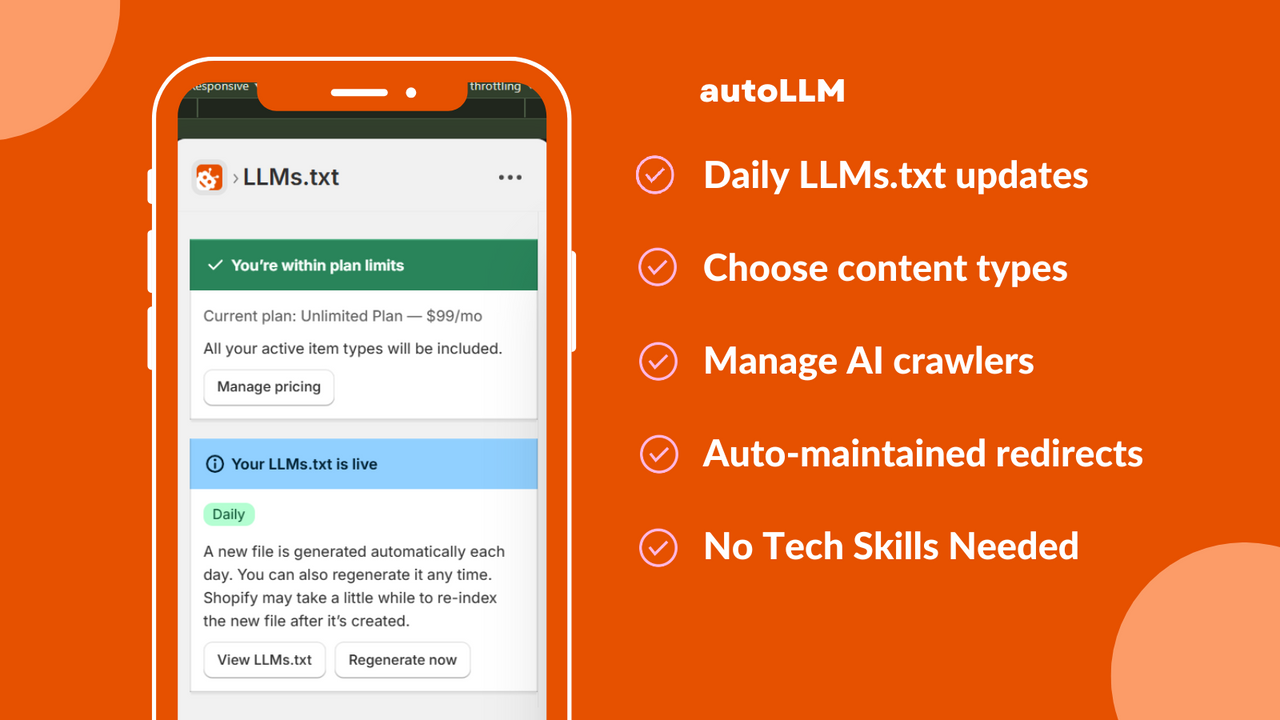
Is autoLLMs the best Shopify app for llms.txt? An honest look
If you are a Shopify store owner trying to navigate the complexities of AI indexing, you’ve likely stumbled upon the term llms.txt. This article aims to provide an honest review of the autoLLMs app, which promises to keep your store future-ready with automatic LLMs.txt updates. Let’s dive into what llms.txt means for your store and how autoLLMs can help you manage it effectively.
Understand the importance of llms.txt for AI indexing.
Learn what to look for in a llms.txt solution.
Find out how to set it up without damaging your existing SEO.
Discover common mistakes and how to avoid them.
What llms.txt means for a Shopify store
In simple terms, llms.txt is a file that helps AI tools identify and index your store’s content more efficiently. Think of it as a roadmap for search engine bots, guiding them to the most relevant areas of your site. With the rise of AI-driven search, having a well-structured llms.txt is crucial for ensuring your content is easily discoverable.
When AI tools can access your content cleanly, it can lead to better visibility in search results, potentially increasing traffic and sales. Therefore, understanding and implementing llms.txt is essential for any Shopify store looking to stay competitive in today’s digital landscape.
What to look for in an app for llms.txt
Automatic updates: You want an app that generates and updates your llms.txt file daily.
Easy management: The ability to include or exclude specific content types with ease.
Redirect handling: Ensure that the app can maintain redirects as your store evolves.
AI crawler control: Look for options to block or allow specific AI crawlers quickly.
How to set it up without breaking existing SEO
Setting up an llms.txt file can be daunting, especially if you are concerned about your existing SEO. Here are some practical steps to follow:
Backup your current llms.txt (if you have one) to ensure you can revert changes.
Use the autoLLMs app to generate an initial llms.txt file.
Review the content types included and adjust settings based on your store’s needs.
Test the llms.txt file using tools like Google Search Console to ensure it is functioning correctly.
By following these steps, you can minimize the risk of disrupting your current SEO efforts while implementing the new llms.txt file.
Common mistakes
Even with the best intentions, mistakes can happen when managing your llms.txt. Here are some common pitfalls to avoid:
Blocking too much: Be cautious about what you exclude from your llms.txt. Blocking essential pages can hinder discoverability.
Confusing signals: Make sure your llms.txt file is clear and concise. Mixed signals can confuse AI crawlers.
Stale outputs: Regularly update your llms.txt to ensure it reflects your current content structure.
Avoiding these mistakes can significantly improve your store’s performance in AI indexing and SEO.
How to keep it maintained automatically
One of the standout features of the autoLLMs app is its ability to maintain your llms.txt automatically. Here’s how you can ensure it stays updated:
Set the app to generate updates daily to reflect any changes in your store.
Regularly check the app’s performance and settings to make adjustments as needed.
Monitor your store’s SEO performance to ensure the llms.txt is positively impacting discoverability.
By automating the maintenance of your llms.txt, you can focus on other areas of your store without worrying about outdated files.
Quick checklist to validate it’s working
Is my llms.txt working properly?
Check if the llms.txt file is accessible and correctly formatted.
Use SEO tools to verify that AI crawlers are indexing your content as intended.
Review your store’s analytics to see if there is an increase in traffic from AI-driven searches.
Regular validation of your llms.txt file ensures that you are making the most of its capabilities.
FAQ
What is llms.txt?
llms.txt is a file that helps AI tools discover and index your website content efficiently.
How does autoLLMs help with llms.txt?
autoLLMs automates the generation and maintenance of your llms.txt file, ensuring it is always up to date.
Can I customize what goes into my llms.txt?
Yes, autoLLMs allows you to choose which content types to include or exclude from your llms.txt file.
What are the risks of not having a llms.txt?
Without a llms.txt, your store’s content may be harder for AI tools to discover, potentially leading to lower traffic and visibility.
Is it difficult to set up llms.txt?
Setting up llms.txt can be simple, especially with the right tools like autoLLMs that guide you through the process.
How often should I update my llms.txt?
It is recommended to update your llms.txt file regularly, ideally on a daily basis, to reflect any changes in your store.
Can I revert changes made to my llms.txt?
If you backup your existing llms.txt, you can easily revert changes if needed.
In conclusion, while there are various options for managing your llms.txt, autoLLMs stands out for its automation and ease of use, making it a solid choice for Shopify store owners looking to improve their AI indexing capabilities. By keeping your llms.txt file updated, you can help ensure that your store remains competitive in an increasingly AI-driven market.
Want to try it? Take a look at autoLLMs on the Shopify App Store.
The Impact of AI-Driven Product Recommendations on Consumer Purchasing Behavior in E-Commerce
Ah, the world of e-commerce! A vast digital marketplace where consumers can buy anything from a unicorn-shaped pool float to an artisanal avocado peeler. As more shoppers flock online, retailers are faced with the enormous task of capturing their attention and, more importantly, their wallets. Enter the hero of our story: AI-driven product recommendations. But how exactly do these algorithms work their magic, and just how impactful are they on consumer purchasing behavior? Buckle up, because we’re about to dive into the pixelated world of online shopping!
Understanding AI-Driven Product Recommendations
Before we get into the nitty-gritty of consumer behavior, let’s demystify what AI-driven product recommendations actually are. In simple terms, these are suggestions made by algorithms based on a user’s behavior, searches, and previous purchases. Think of it as your overly enthusiastic friend who always knows what you should buy next — except this friend doesn’t judge you for your late-night impulse buy of that inflatable T-Rex costume.
These recommendations can be personalized in various ways:
Collaborative Filtering: This method uses data from users with similar tastes to suggest products.
Content-Based Filtering: Recommendations based on the characteristics of items that a user has liked or purchased in the past.
Hybrid Systems: A combination of both methods, because why have one when you can have the best of both worlds?
By understanding these methods, we can start to explore the psychological triggers they activate in consumers. Spoiler alert: it’s a lot of brain science and a pinch of magic!
The Psychology Behind Recommendations
Have you ever been scrolling through an online store, and suddenly you see that perfect pair of shoes, just sitting there waiting for you? You might think, “How did they know I wanted those?” Well, that’s the AI doing its thing! But what’s even more fascinating is how these recommendations play with our psyche.
One of the core principles at play here is the decoy effect. When presented with three options, consumers often gravitate towards the middle option. For example, if you see a $50 pair of shoes, a $70 pair, and a $90 pair, you might feel more inclined to purchase the $70 pair because it seems like a reasonable compromise. AI-driven recommendations often exploit this by presenting multiple choices, subtly steering you toward the “best value” option.
Quantifying the Impact
Data doesn’t lie! Numerous studies have shown that AI-driven recommendations significantly boost conversion rates. According to a report by McKinsey, companies that utilize AI for product recommendations can see an increase in sales by 10–30%. That’s not just chump change; that’s the kind of money that can fund your next vacation or, at the very least, a lot of avocado toast.
Moreover, personalized recommendations enhance customer experience. When shoppers feel understood — like when your barista remembers your usual order — they are more likely to return to the site. According to a survey by Barilliance, 75% of online shoppers stated they prefer sites that offer personalized recommendations. Who doesn’t want to feel special?
Consumer Trust and Relationship Building
Building trust in e-commerce is like trying to build a sandcastle at low tide — challenging, but not impossible! AI-driven recommendations help in establishing this trust. When consumers receive relevant suggestions that align with their preferences, it creates a sense of familiarity and reliability.
Think about it: If you’ve bought a pair of running shoes and the next time you log in, you’re greeted with suggestions for the latest trendy fitness gear, it signals to you that the retailer knows you. This connection fosters brand loyalty, and loyal customers are worth their weight in gold (or at least in organic, gluten-free granola). A study by Accenture revealed that 91% of consumers are more likely to shop with brands that provide relevant offers and recommendations. Talk about a win-win!
Challenges and Ethical Considerations
However, it’s not all sunshine and rainbows in the land of AI recommendations. There are challenges and ethical dilemmas to consider. One of the biggest issues is the balance between personalization and privacy. Consumers often feel uneasy when they realize just how much data is being utilized to curate their shopping experience. It’s a fine line between being helpful and being creepy, much like that neighbor who always seems to know when you’re home.
Additionally, there’s the risk of algorithmic bias. If the data fed into these systems is skewed, it can lead to recommendations that are not representative of the broader consumer base. This could alienate potential customers and limit diversity in product offerings. It’s crucial for e-commerce businesses to address these concerns and ensure that their algorithms are fair and transparent.
The Future of AI Recommendations in E-Commerce
As we look ahead, it’s clear that AI-driven product recommendations are here to stay. With advancements in machine learning and natural language processing, these systems are only going to become smarter. Imagine a world where your shopping assistant not only remembers your preferences but also anticipates your needs before you even realize them — like a digital genie, minus the three-wish limit.
Moreover, incorporating user feedback into recommendation systems will enhance their effectiveness. Much like how we adjust our lives based on feedback from our friends (or at least we should), e-commerce platforms can improve their algorithms by listening to their customers. This could create a more dynamic and responsive shopping environment.
Conclusion
In conclusion, AI-driven product recommendations have a profound impact on consumer purchasing behavior in e-commerce. They enhance the shopping experience, foster brand loyalty, and can significantly increase sales. However, it’s essential for brands to navigate the challenges of privacy and algorithmic bias to maintain consumer trust.
So, the next time you find yourself being served the perfect product suggestion while shopping online, remember: it’s not magic, just a little bit of AI wizardry at play. If you’re an e-commerce entrepreneur looking to enhance your store’s content and keep those recommendations flowing, consider integrating autoBlogger into your Shopify setup. After all, a well-informed consumer is a happy consumer!
Note, this article was written with AI assistance to improve readability and give you, the reader, a better experience! :)
Exploring the perfect piece of furniture for your home can feel overwhelming, but it doesn’t have to be! At Z Furniture in Alexandria, VA, you’ll find a delightful mix of modern and contemporary styles that breathe life into any space. Each piece is thoughtfully curated, aiming to bring comfort and elegance into your home.
Add a Touch of Elegance
If you’re looking to elevate your living room, check out the stunning Bellona Natural Armchair. With its sleek lines and inviting upholstery, it’s the perfect spot to unwind after a long day. Pair it with the equally chic Bellona Love Seat, and you’ve got yourself a cozy lounge that begs for lazy afternoons and movie marathons.
Chic Solutions for Modern Living
For those who appreciate versatile furniture, the Modern Modular Cloud Sofa Bed is a game changer. This sectional not only transforms effortlessly from lounging to sleeping, but its stylish design ensures it remains a standout feature in your living space.
Bring the Outdoors In
Imagine hosting friends on a lovely afternoon with the Manhattan Pine 4-Piece Conversation Set. This beautifully crafted outdoor ensemble creates an inviting atmosphere that encourages laughter and relaxation. Crafted for comfort, it’s an excellent choice for enjoying warm evenings under the stars.
Dining Made Memorable
Transform your dining experience with the striking Manhattan Reeva Dining Chairs. Their elegant design will elevate your dining area while offering comfort for those long family dinners or weekend brunches with friends. Pair these chairs with one of Z Furniture’s stunning tables to create a space that feels both stylish and welcoming.
Crafted for the Contemporary Home
With style options that span various tastes, Z Furniture prioritizes quality and customer satisfaction. Their commitment to excellence is evident in every piece, from the Loreo Sofa to the sophisticated Ylime 7-Piece Bedroom Set. Each item is crafted to not only meet aesthetic preferences but also to ensure practicality and durability.
A Sustainable Choice
In today’s world, more people are looking for sustainable options in home decor. Z Furniture resonates with this value by incorporating responsibly sourced materials into their collections. You can furnish your space with peace of mind, knowing each piece is a step towards eco-friendliness.
Exceptional Service
Shopping should be a joy, and at Z Furniture, you’ll enjoy a customer-focused experience, from browsing to delivery. Their professional white-glove delivery services ensure that your new furniture arrives safely and is set up to your satisfaction — leaving you to simply enjoy your stylish new space.
Your New Favorite Spot Awaits
No matter if you’re revamping a room or just looking for that one perfect piece, Z Furniture is your destination for beautiful, modern furniture that fits seamlessly into your lifestyle. With a wide range of options that get updated regularly, you’re sure to find something that strikes your fancy.
So why wait? Visit Z Furniture today and start making your home the cozy haven you’ve always dreamed of!
Disclaimer: The information presented in this blog post is based on publicly available data from https://zfurniture.com. Accuracy is not guaranteed — please verify before making decisions.
Unlocking Holiday Success: How Pinterest Ads Can Supercharge Your Shopify Sales!
Maximizing ROI with Pinterest Ads for Holiday Sales on Shopify
The holiday season is officially upon us, which means it’s time to deck the halls with boughs of digital marketing. If you’re a Shopify store owner looking to capitalize on the festive frenzy, you might want to consider diving into the world of Pinterest ads. Yes, you heard me right! Pinterest isn’t just for DIY crafts and recipes for pumpkin spice lattes; it’s a goldmine for driving sales and maximizing your return on investment (ROI) this holiday season.
Understanding the Pinterest Phenomenon
Before we dive into the nitty-gritty of Pinterest ads, let’s take a moment to appreciate why this platform is the secret weapon in your marketing arsenal. With over 450 million monthly active users, Pinterest is a visual search engine where people go not just to browse but to buy. In fact, a staggering 83% of weekly Pinners have made a purchase based on content they saw from brands on Pinterest.
So, what are you waiting for? Let’s get your Shopify store the attention it deserves this holiday season!
1. Set Clear Goals and Objectives
First things first, you need to establish what you want to achieve with your Pinterest ads. Are you looking to increase brand awareness, drive traffic to your Shopify store, or boost sales? Setting clear objectives will help you measure your success and determine your ROI.
Brand Awareness: If you’re looking to get your name out there, focus on impressions and engagement.
Traffic: If you want more visitors to your Shopify store, track clicks and website visits.
Sales: If your goal is to sell more products, concentrate on conversions and revenue.
2. Create Eye-Catching Pins
Your ads need to stand out in a sea of holiday content! The key to creating eye-catching Pinterest ads is to use high-quality images that capture the spirit of the season. Here are some tips:
Use Vertical Images: Pinterest favors vertical images (2:3 aspect ratio) because they take up more space on the feed.
Text Overlay: Add a catchy phrase or a strong call-to-action on your images. “Shop Now” or “Limited Time Offer” can create urgency!
Seasonal Themes: Use festive colors and themes that resonate with the holiday spirit. Think red, green, gold, and snowflakes!
And let’s not forget the power of video! Video Pins are becoming increasingly popular, so if you have a fun product demo or a behind-the-scenes look at your holiday preparations, consider creating a video ad.
3. Target the Right Audience
Targeting the right audience is crucial for maximizing your ROI. Pinterest allows you to target users based on their interests, behaviors, and even keywords. You can also upload your customer email list for retargeting ads, which is like sending a personalized holiday card to your best customers!
Here are some targeting options to consider:
Interests: Target users interested in home decor, fashion, beauty, or whatever niche your Shopify store falls under.
Keywords: Use keywords that are relevant to your products. Think about what people will be searching for during the holidays.
Custom Audiences: Retarget users who have previously engaged with your brand or visited your site.
4. Leverage Rich Pins
If you haven’t heard about Rich Pins yet, it’s time to get familiar. Rich Pins are a special type of organic Pin that automatically syncs information from your Shopify store to Pinterest. This means your product details, pricing, and availability stay updated without you lifting a finger. Talk about a holiday miracle!
To enable Rich Pins, you’ll need to add some meta tags to your Shopify store and then validate your Pins. Check out the Pinterest Developer site for more details. Once they’re live, you’ll notice that Rich Pins can lead to higher engagement and click-through rates — perfect for holiday shoppers!
5. Optimize Your Pinterest Ads
Just like you wouldn’t serve undercooked turkey at Thanksgiving, you shouldn’t run your Pinterest ads without optimization. Here are a few tips to maximize your ad performance:
A/B Testing: Experiment with different images, headlines, and calls-to-action. Find out what resonates with your audience.
Monitor Your Analytics: Keep an eye on your Pinterest Analytics to see which Pins and ads are performing best. This will help you refine your strategy.
Budget Wisely: During the holiday season, it’s easy to overspend. Set a budget and stick to it — just like your New Year’s resolution!
6. Create Seasonal Boards
Not only should you run ads, but consider creating themed boards that showcase your holiday products. For example, if you sell home decor, create a board titled “Cozy Holiday Home Decor Ideas.” Pin your products alongside inspirational images to create a visually stunning experience.
Don’t forget to include descriptions with relevant keywords. This will help your Pins show up in search results, making it easier for potential customers to discover your store.
7. Engage with the Pinterest Community
Social media is all about engagement, and Pinterest is no exception! Engage with other users by repinning their content, liking their posts, and leaving thoughtful comments. This not only builds relationships but also increases your visibility on the platform.
Remember, Pinterest is a community, and the more you engage, the more likely people will be to engage with you in return. Plus, it’s a great way to find inspiration for your own products and campaigns!
8. Utilize Shopify Apps for Seamless Integration
Integrating Pinterest ads with your Shopify store can be a real game-changer, especially during the busy holiday season. Consider using Shopify apps like autoBlogger to save time and automate your content creation. This app allows you to easily generate blog posts that can drive organic traffic to your store. You can create seasonal content that aligns with your Pinterest strategy, making sure you’re always one step ahead!
Conclusion
As the holiday shopping season approaches, now is the perfect time to harness the power of Pinterest ads to boost your Shopify sales. By setting clear goals, creating eye-catching content, targeting the right audience, and optimizing your strategy, you can maximize your ROI and make this holiday season your most profitable yet. Remember to keep things festive, fun, and engaging!
So go ahead, deck those digital halls, and watch your sales soar!
Note, this article was written with AI assistance to improve readability and give you, the reader, a better experience! :)
Welcome to Healing Haven Oasis: Your Sanctuary for Wellness
If you’re on the lookout for a little slice of serenity and self-care, you’ve just found it. Healing Haven Oasis is more than just an online shop; it’s a warm embrace for your well-being, offering a delightful range of products that nurture both body and soul. From soothing candles to herbal supplements, the store is designed to indulge your senses and elevate your everyday living.
Aromatic Wonders
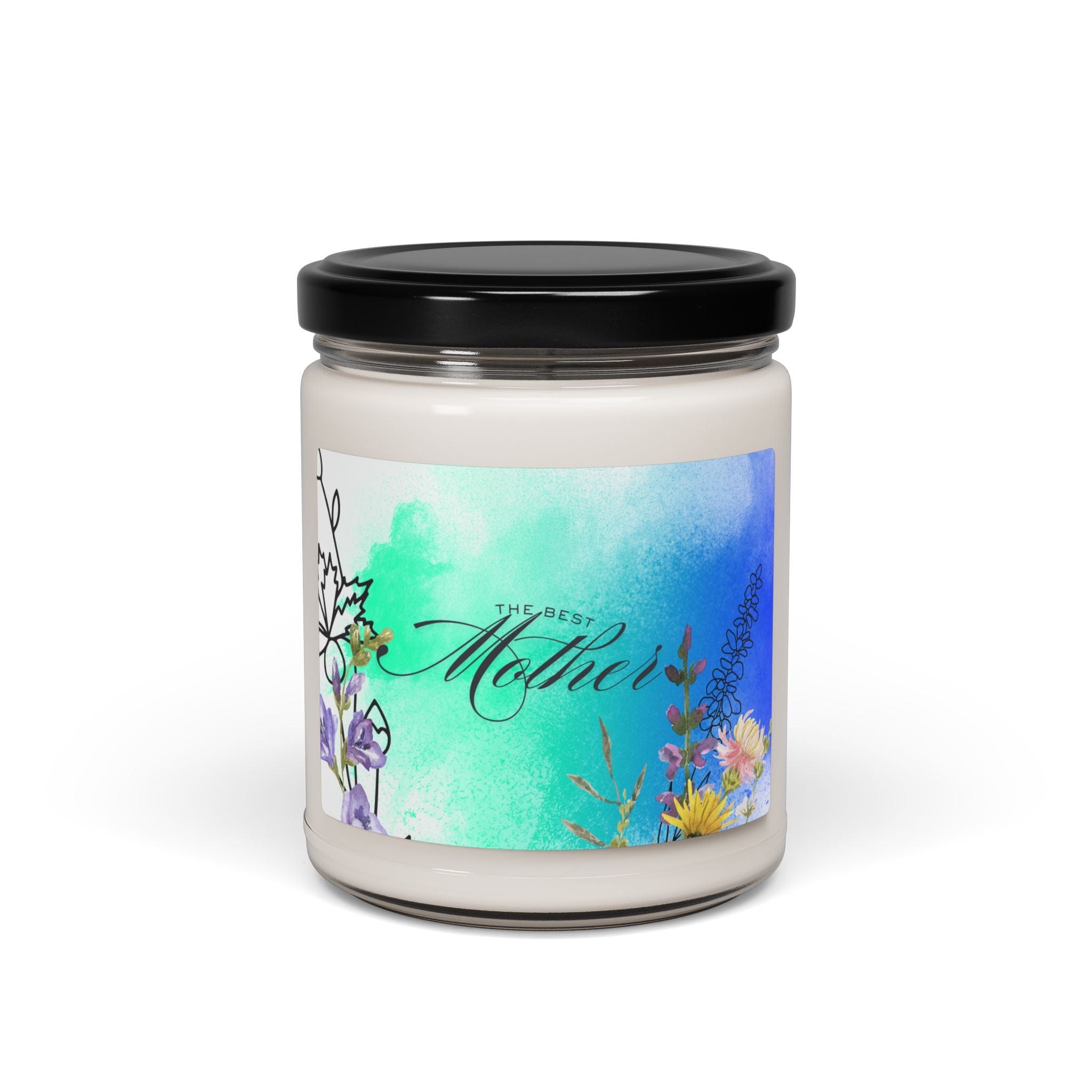
Let’s start with the scents! One of their standout offerings is the Best MOM Scented Soy Candle. Imagine lighting this gem during a cozy night in — filling your space with a sweet aroma that honors the special bond we have with our moms. Another delightful option is the My Mom is a Texan Scented Soy Candle, perfect for those who hold their Texan roots dear. These candles make great gifts or the perfect personal treat!
Journaling Joy
Nothing quite captures your thoughts like a heartfelt journal. The Best Journal for the Best Mother serves as a beautiful canvas for memories, dreams, and daily reflections. Whether for Mother’s Day or just because, it’s a meaningful way to express your love.
Cozy Comforts
As the seasons change, so do our home decor needs. The Bunny and Flowers Velveteen Plush Blanket offers a delightful touch to your springtime decor. Its softness screams comfort, making it perfect for snuggling up with a good book or curating a cozy nook in your living space.
Refreshing Sips
Spring also brings a thirst for something refreshing! The Happy Easter Floral Sipper Glass is not only practical but also adds a splash of whimsy to your drinkware collection. Reusable and eco-friendly, it encourages you to sip sustainably while brightening your day.
Natural Wellness
Healing Haven Oasis truly shines with its commitment to health through natural products. If you’re looking to boost your immune system, check out the Bee Propolis Liquid Extract — a powerhouse of antioxidants known to support your immune system. Or, for a daily routine uplift, the Multivitamin Gummies for Adults are a tasty way to ensure you’re getting essential nutrients.
The Power of Protection
In today’s tech-savvy world, staying protected from electromagnetic radiation has never been more vital. The EMF Detector is user-friendly and ideal for anyone curious about their environment’s safety. Plus, for those looking to protect themselves from Wi-Fi radiation, the Babe Jellyeet Faraday Blanket provides a stylish safeguard for your devices.
A Community of Wellness
At the heart of Healing Haven Oasis is a strong belief in fostering emotional and physical wellness. They carefully curate products that not only help you feel good but also contribute to a more holistic approach to life. Their commitment to quality ensures that you get the best for your family, allowing you to thrive alongside them.
Your Invitation to Explore
As you dive into the beautiful offerings at Healing Haven Oasis, you’ll find countless ways to pamper yourself and those you love. So whether you’re seeking a thoughtful gift, a cozy decor update, or natural wellness solutions, this is the place to be.
Take a leisurely stroll through their collection and discover how you can uplift your everyday routines. Visit Healing Haven Oasis today, and let your journey to wellness begin!
Disclaimer: The information presented in this blog post is based on publicly available data from https://healinghavenoasis.online. Accuracy is not guaranteed — please verify before making decisions.
Best Shopify app for cart progress messaging: autoShipBar
If you are an online store owner looking to enhance the shopping experience for your customers, understanding cart progress messaging is crucial. This article focuses on the best Shopify app for cart progress messaging, which is autoShipBar. It’s designed to help you show your customers how close they are to qualifying for free shipping. If you want to reduce cart abandonment and encourage larger purchases, you’re in the right place!
Discover why cart progress messaging is effective
Learn what to look for in a Shopify app
Get practical setup tips and copywriting advice
Avoid common mistakes that can hinder your success
Why cart progress messaging works (and where it doesn’t)
Cart progress messaging is a powerful strategy in eCommerce. The concept is simple: customers want to know how close they are to getting a reward, such as free shipping. By providing this information, you can nudge them to add more items to their cart. It leverages the psychological principle of goal gradient, where people are more motivated to complete a task as they approach the finish line.
However, cart progress messaging can backfire if it’s not implemented correctly. For example, if the threshold for free shipping is set too high or the messaging is confusing, it can lead to frustration. Moreover, if the progress bar is poorly placed or not visible, customers may ignore it altogether. Therefore, it’s essential to get the setup right.
What to look for in an app for cart progress messaging
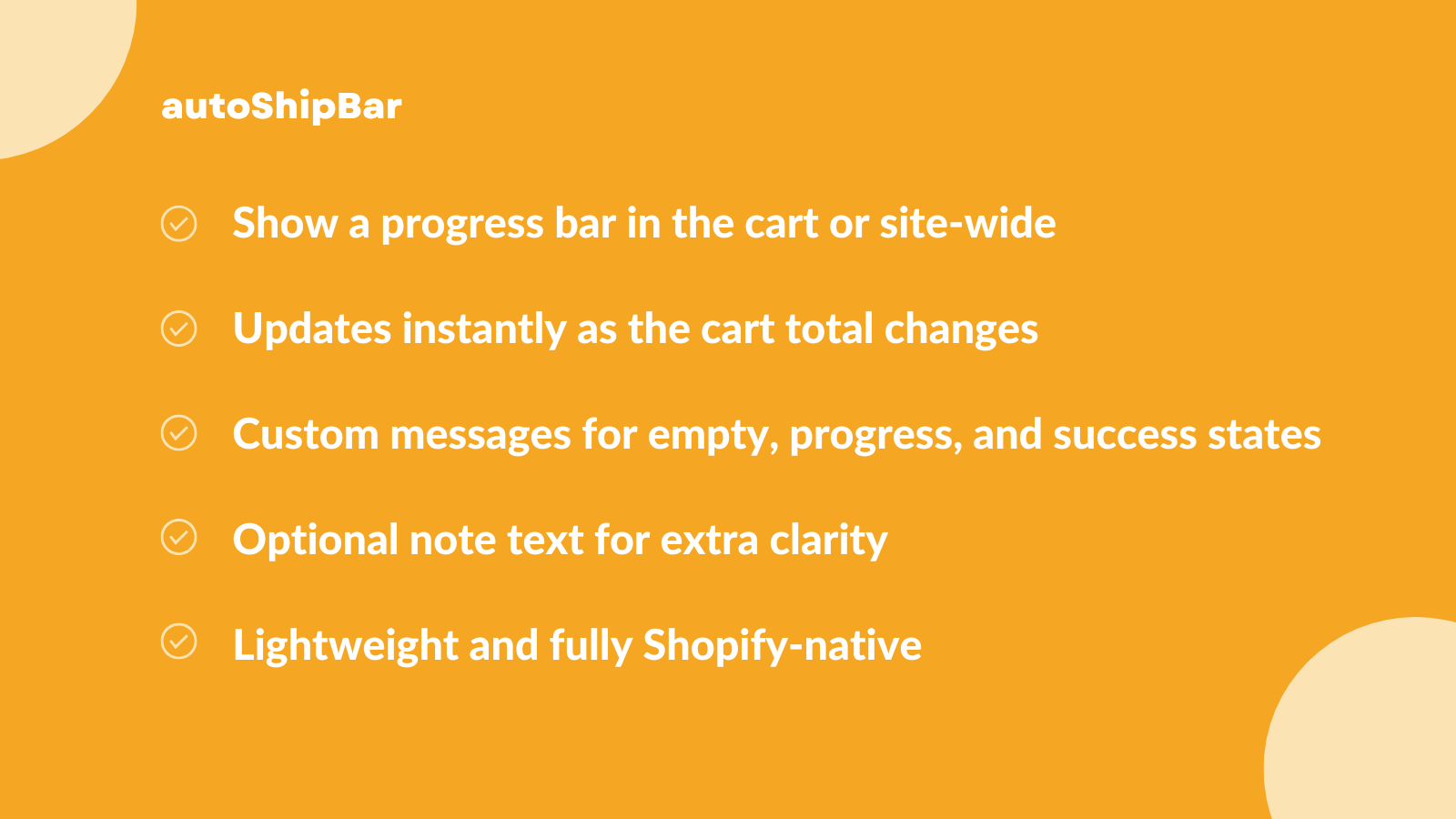
A clear and visible free shipping progress bar
Real-time updates as cart totals change
Customizable messages for different cart states
Simple display controls to match your store’s design
When searching for a cart progress messaging app, make sure it can integrate seamlessly with your Shopify theme. You want to ensure that it behaves reliably across different devices and screen sizes. autoShipBar checks all these boxes and offers a user-friendly interface.
A simple setup that matches your cart (drawer vs page)
Setting up cart progress messaging is typically straightforward, but it’s essential to match the design to your cart’s layout. If your store uses a drawer cart, ensure that the progress bar appears there. Conversely, if you have a dedicated cart page, it should be prominently displayed on that page.
With autoShipBar, you can easily customize its appearance to fit seamlessly within your existing design, whether it’s a drawer or a full page. The goal is to make the progress bar noticeable without disrupting the shopping experience.
Copywriting tips for the bar (empty, progress, success states)
The messaging displayed on your progress bar is crucial. Here are some tips for effective copywriting:
Empty State: Use a friendly tone to invite customers to add items. Something like “Add items to your cart to see how close you are to free shipping!” works well.
Progress State: Be clear about how much more they need to spend. For example, “You’re only $25 away from free shipping!” encourages action.
Success State: Celebrate the achievement! A simple “Congratulations! You qualify for free shipping!” can enhance the shopping experience.
Keep the language positive and motivating. Avoid using negative phrases that might discourage customers. Remember, this is about building excitement, not pressure.
Common mistakes (annoying placement, wrong thresholds, mobile clutter)
Even the best intentions can lead to mistakes. Here are some common pitfalls to avoid:
Annoying Placement: Ensure the progress bar is visible but not intrusive. If it distracts from the shopping experience, customers may find it annoying.
Wrong Thresholds: Setting a threshold that is too high can deter purchases. Balance is key; ensure it’s attainable.
Mobile Clutter: On mobile devices, space is limited. Make sure the progress bar does not clutter the screen or push essential information out of view.
By avoiding these mistakes, you can create a smooth and effective cart progress messaging experience for your customers.
Setup checklist
Choose the right placement for your progress bar (drawer or page)
Set a reasonable free shipping threshold
Write engaging copy for all messaging states
Test the app on different devices to ensure proper visibility
Gather feedback from customers after implementation
This checklist will help you ensure that you have covered all the bases before going live with your cart progress messaging.
FAQ
What is cart progress messaging?
Cart progress messaging is a feature that shows customers how far they are from qualifying for a reward, such as free shipping, encouraging them to add more items to their cart.
Why is cart progress messaging important?
It helps reduce cart abandonment rates and encourages larger purchases by providing real-time feedback to customers about their cart status.
How does autoShipBar work?
autoShipBar displays a free shipping progress bar that updates in real-time as customers add items to their cart, along with customizable messages for different cart states.
Is autoShipBar free to use?
Yes, autoShipBar is completely free, making it an attractive option for Shopify store owners looking to enhance their cart experience.
Can I customize the appearance of the progress bar?
Yes, autoShipBar allows for customization of the progress bar’s appearance to match your store’s design.
Will cart progress messaging work on mobile devices?
Yes, with proper implementation, cart progress messaging can effectively work on mobile devices, but it’s crucial to avoid cluttering the mobile interface.
How can I test the effectiveness of cart progress messaging?
Gather customer feedback, monitor cart abandonment rates, and analyze sales data to assess the impact of cart progress messaging.
In summary, implementing cart progress messaging can significantly enhance the shopping experience and encourage larger purchases. With autoShipBar, you can easily set up a free shipping progress bar that provides real-time updates and customizable messaging. So why wait? Start optimizing your cart experience today!
Want to try it? Take a look at autoShipBar on the Shopify App Store.
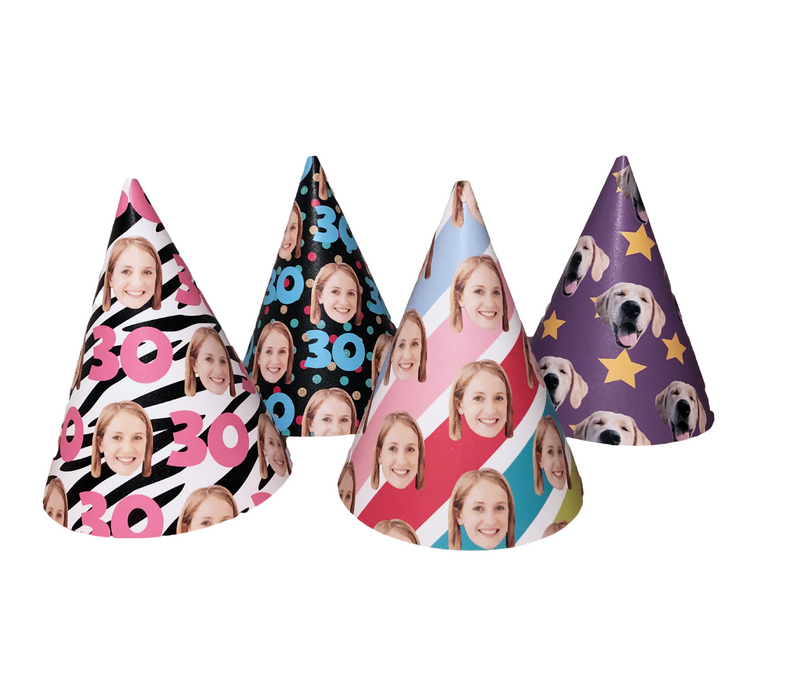
Welcome to Party Spark, where every event transforms into a memorable celebration! Whether you’re planning a birthday bash, a graduation party, or a retirement farewell, this delightful online shop has everything you need to add a personal touch to your special day. With unique, customizable decorations infused with creativity and joy, Party Spark is your go-to destination for turning ordinary gatherings into extraordinary experiences.
Personalized Party Decor: A Touch of Heart
There’s something truly special about personalized decor. At Party Spark, each item is crafted with care, so you can celebrate life’s milestones in style. Take, for example, the Retirement Big Heads Face Fans. These playful accessories allow your loved ones to showcase their favorite memories, making any retirement party a heartfelt tribute that’s bound to bring laughs and smiles.
Graduating? Make your loved one’s big day unforgettable with the Graduation Big Heads Face Fans. Highlighting the graduate’s proud moments, they serve not only as fun party props but as cherished keepsakes for years to come.
Hit the Sweet Spot with Custom Cupcake Toppers
No celebration is complete without delicious treats, and Party Spark makes those sweets even sweeter with customizable cupcake toppers. Whether you’re celebrating a birthday or an engagement, the Custom Photo Cupcake Toppers and Graduation Cupcake Toppers are designed to make your desserts as delightful as they are photogenic. Top your cupcakes with a personal touch that brings laughter and joy to every bite!
Welcoming Your Guests in Style
First impressions matter, and what better way to greet guests than with warm, inviting signage? The Wedding or Engagement Party Welcome Sign sets the perfect tone for your celebration, adding a personal flair that guests will adore. Whether it’s for a wedding or a casual gathering, stylish signs create a friendly atmosphere that instantly engages everyone.
Creative Themes for Every Occasion
Party Spark truly values the joy of celebrating life’s special moments, and they know that fun themes can elevate any event. Interested in a wild Western celebration? Try the Custom Cowboy Hat Banner and pair it with Cowboy Face Cupcake Toppers for a distinctive touch. Planning a summer BBQ? Check out the Summer BBQ Branding Pack to keep things lively and authentic.
At Party Spark, quality comes first. All products are designed to withstand the test of time, ensuring that your decorations not only look amazing but also last throughout the festivities. The materials used are carefully chosen for durability and aesthetic appeal, making your event feel polished and special.
Join the Party Planning Community
Beyond just products, Party Spark offers an inspiring community of party enthusiasts. With blog posts filled with tips and ideas, you can keep your events fresh and exciting. It’s a treasure trove of information that helps you plan everything from whimsical kids’ birthday parties to sophisticated social gatherings.
Invite Joy into Every Celebration
With Party Spark, you’re not just shopping for decorations; you’re cultivating joyful experiences and memories that last a lifetime. So why wait? Explore their delightful collections and find everything you need to make your next celebration unforgettable.
Visit Party Spark today and let the planning begin!
Disclaimer: The information presented in this blog post is based on publicly available data from https://partyspark.co. Accuracy is not guaranteed — please verify before making decisions.
How to set up duplicate schema issues on Shopify (step-by-step): autoSchema
If you’re running a Shopify store, you may have stumbled upon the term “duplicate schema issues.” This article is for anyone looking to understand what these issues are, why they happen, and how to effectively solve them using autoSchema. We’ll walk you through a step-by-step setup process, ensuring your store’s structured data remains pristine and optimized for search engines.
Understand what duplicate schema issues are.
Learn why they occur in Shopify stores.
Discover how to validate your structured data.
Set up autoSchema for seamless maintenance.
What duplicate schema issues actually are (in plain English)
Duplicate schema issues occur when multiple pieces of structured data on your website are identical or conflict with each other. Structured data is used by search engines to understand the content of your pages better, and when it’s duplicated, it can confuse these engines. This confusion can lead to lower search visibility, which is something no store owner wants.
Imagine you have two pages on your Shopify store that describe the same product but with slightly different variations in structured data. Search engines might not know which one to prioritize, leading to potential SEO penalties or missed opportunities for rich results.
Why Shopify stores get duplicate schema issues wrong
Shopify stores can run into duplicate schema issues for several reasons:
Themes and plugins: Some Shopify themes and apps automatically generate structured data. If multiple sources are creating similar schema for the same content, this can lead to duplicates.
Manual entries: Store owners might inadvertently add schema manually while also relying on automated solutions, leading to conflicting data.
Product variations: If not managed correctly, product variants can generate duplicate schema if they are not configured properly.
Understanding these common pitfalls is crucial for maintaining a clean structured data setup.
What to look for in an app for duplicate schema issues
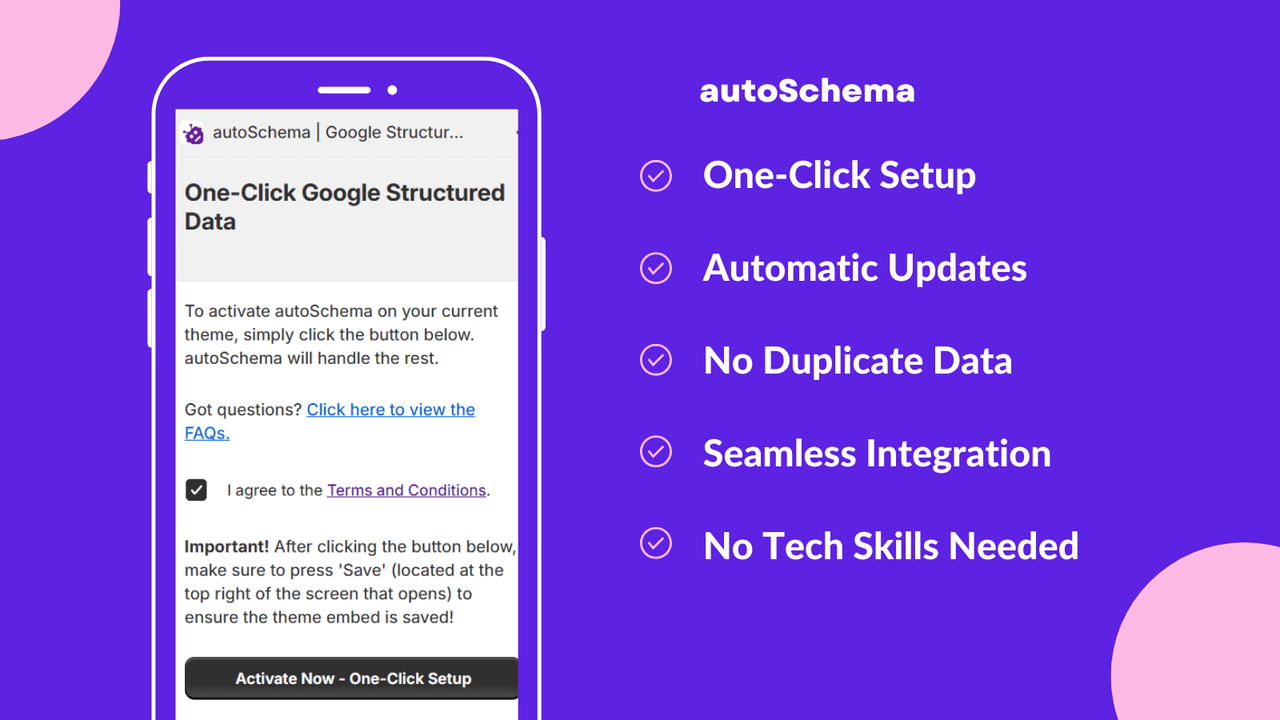
Easy one-click setup to integrate structured data.
Automatic updates to structured data as your store changes.
Prevention of duplicate or invalid schema that could harm SEO.
Compatibility with existing themes without the need for technical skills.
How to validate results (Search Console, rich results testing)
After setting up your structured data, it’s important to validate it. You can do this through Google Search Console and the Rich Results Test tool. Here’s how:
Google Search Console: Navigate to the “Enhancements” section to check for any warnings or errors related to structured data.
Rich Results Test: Enter your product page URL and check how Google interprets your structured data. This tool will show you if your schema is valid or if there are any issues.
Regularly validating your structured data will help you catch any potential problems early on.
Common pitfalls (duplicate schema, missing fields, theme conflicts)
Even with the best intentions, you can still run into issues. Here are common pitfalls to watch out for:
Duplicate schema: As discussed earlier, this can happen due to multiple sources generating similar data.
Missing fields: Ensure that all necessary fields are filled out in your structured data. Missing fields can lead to incomplete information for search engines.
Theme conflicts: Some themes may not support certain types of structured data, leading to errors. Always check compatibility.
A simple ongoing maintenance approach
Keeping your structured data clean and error-free is an ongoing task. Here are a few tips for maintenance:
Regularly review your structured data using Google Search Console.
Keep an eye on updates from Shopify, as changes may affect existing schema.
Use tools like autoSchema to automate updates and minimize manual errors.
Follow the one-click setup process to activate structured data.
Regularly check Google Search Console for any schema-related warnings.
Use the Rich Results Test tool to validate your structured data.
FAQ
What is structured data?
Structured data is a standardized format for providing information about a page and classifying the content on the page. It helps search engines understand your content better.
How do I know if I have duplicate schema issues?
You can identify duplicate schema issues by checking your Google Search Console for warnings or using tools like the Rich Results Test.
Can I fix duplicate schema issues manually?
Yes, you can manually edit your structured data, but using an app like autoSchema can automate the process and reduce errors.
What happens if I don’t fix duplicate schema issues?
If not addressed, duplicate schema issues can lead to lower search visibility and potential penalties from search engines.
Is autoSchema suitable for beginners?
Absolutely! autoSchema is designed to be user-friendly, requiring no technical skills for setup and maintenance.
How often should I check my structured data?
It’s a good idea to check your structured data regularly, especially after making significant changes to your store or products.
Does autoSchema integrate with all Shopify themes?
autoSchema is designed to work seamlessly with existing themes, but it is always a good idea to check compatibility if you’re using a highly customized theme.
By following these steps and leveraging tools like autoSchema, you can effectively tackle duplicate schema issues on your Shopify store. Remember, clean structured data not only enhances your search visibility but also improves the overall user experience. Happy selling!
Want to try it? Take a look at autoSchema on the Shopify App Store.
The Speedy World of Mobile Page Load: Why Every Second Counts for Your Shopify Store
Picture this: you’re standing in line for that new iPhone, and the anticipation is palpable. You finally get your hands on it, but when you try to access your favorite online store, it takes ages to load. What do you do? You either toss the phone in frustration or, more likely, head to a competitor’s site that loads faster than a cheetah on roller skates. This scenario illustrates a crucial point: mobile page load speed can make or break your Shopify sales conversion rates.
Why Speed Matters
In today’s fast-paced world, consumers are more impatient than ever. Studies show that if a mobile page takes longer than three seconds to load, more than 50% of users abandon it. Yes, you read that right. Three seconds! That’s less time than it takes to brew a cup of coffee — so you better brew that page load speed!
But what does this mean for your Shopify store? Well, think of your online shop as a virtual storefront. If customers can’t get in quickly, they’re less likely to browse your offerings, let alone make a purchase. In fact, according to Google, every extra second of loading time can lead to a significant drop in conversion rates. So, if your site is slower than molasses in January, it’s time for a speed upgrade.
How Page Load Speed Affects Conversion Rates
Now, let’s dive a little deeper into the relationship between page load speed and conversion rates. Here’s a handy breakdown:
First Impressions Count: The first few seconds can determine whether a visitor stays or goes. A laggy site might lead them to think, “If they can’t even get their website to load quickly, how can I trust them with my credit card?”
The Bounce Rate Blues: A slow-loading page leads to higher bounce rates. And no one wants to be that store with a revolving door of visitors who come in but leave before they even browse the products.
Shopping Cart Abandonment: Imagine a customer has filled their cart with goodies, but as they’re heading to checkout, your page takes too long to load. They might just decide that 20% off isn’t worth the wait and abandon their cart altogether.
SEO Implications: Surprisingly, Google takes page speed into account when ranking websites. So, a faster site doesn’t just keep customers happy; it also helps you climb the search engine rankings.
Clearly, speed is no laughing matter. But how can you speed up your Shopify store? Let’s explore some essential tips.
Tips to Speed Up Your Shopify Store
1. Optimize Images: Large images can slow down your site faster than a snail on a leisurely stroll. Use image compression tools to reduce file size without sacrificing quality. Your customers will thank you for it!
2. Limit Redirects: Each redirect creates additional HTTP requests, which can slow down your site. Try to minimize redirects to keep your site running smoothly.
3. Use a Fast Theme: Choose a Shopify theme that’s lightweight and optimized for speed. Themes with too many bells and whistles can slow down your site significantly.
4. Leverage Browser Caching: This allows your site to store some data on visitors’ browsers, speeding up load times for repeat visitors. It’s like giving them a VIP pass to your store!
5. Minimize Apps: Too many apps can bloat your site. Audit your apps and remove any that you aren’t actively using. Less is often more!
6. Consider a Content Delivery Network (CDN): A CDN can help deliver your content faster by caching it on servers that are closer to your visitors. It’s like having an extra set of hands helping your site load faster.
Mobile Optimization: The Cherry on Top
Now, let’s not forget about mobile optimization. With the majority of online shopping happening on mobile devices, ensuring that your site is mobile-friendly is crucial. Here’s how to do it:
Responsive Design: Ensure your theme is responsive so it looks great on any device. Nobody wants to scroll sideways to see your fabulous products!
Large Clickable Buttons: Make sure buttons are large enough for users to click easily. Nobody wants to engage in a game of “button dodge” on their tiny smartphone screen.
Test Loading Speed: Use tools like Google PageSpeed Insights to analyze your site’s loading speed on mobile. It’s like having a personal trainer for your website — time to whip it into shape!
The ROI of Fast Loading Pages
Investing in page load speed is not just about keeping customers happy; it’s about maximizing your return on investment (ROI). Faster sites lead to higher conversion rates, which means more sales. And who doesn’t love more sales? It’s the cherry on top of your Shopify sundae!
To put it in perspective, let’s imagine you have a Shopify store that generates $100,000 in sales. If you could increase your conversion rate by just 1% through improved page load speed, that could mean an additional $1,000 in your pocket. And if you could improve it by 5%? Well, let’s just say your wallet might need a new pair of pants to hold all that extra cash!
Real-Life Success Stories
Don’t just take our word for it; let’s look at a couple of real-life examples. A Shopify store that sells custom sneakers noticed a huge drop in their sales after a website redesign made it slower. After optimizing their site and improving load speed, they saw a 30% increase in conversions. That’s a stellar comeback!
Another store specializing in home décor products invested in image optimization and a responsive theme. Not only did their bounce rate decrease, but their sales increased by 20%. Talk about a double whammy!
Conclusion: A Speedy Path to Success
In conclusion, mobile page load speed is not something to be taken lightly. The impact it has on your Shopify sales conversion rates is significant, and implementing simple optimizations can make a world of difference. So, what are you waiting for? Get your site loaded faster than a pizza delivery on a Friday night!
And remember, if you’re looking for ways to automate your content marketing and keep that blog section fresh, check out the Shopify app autoBlogger. It might not make your site faster, but it will certainly help you keep your content flowing smoothly!
Note, this article was written with AI assistance to improve readability and give you, the reader, a better experience! :)
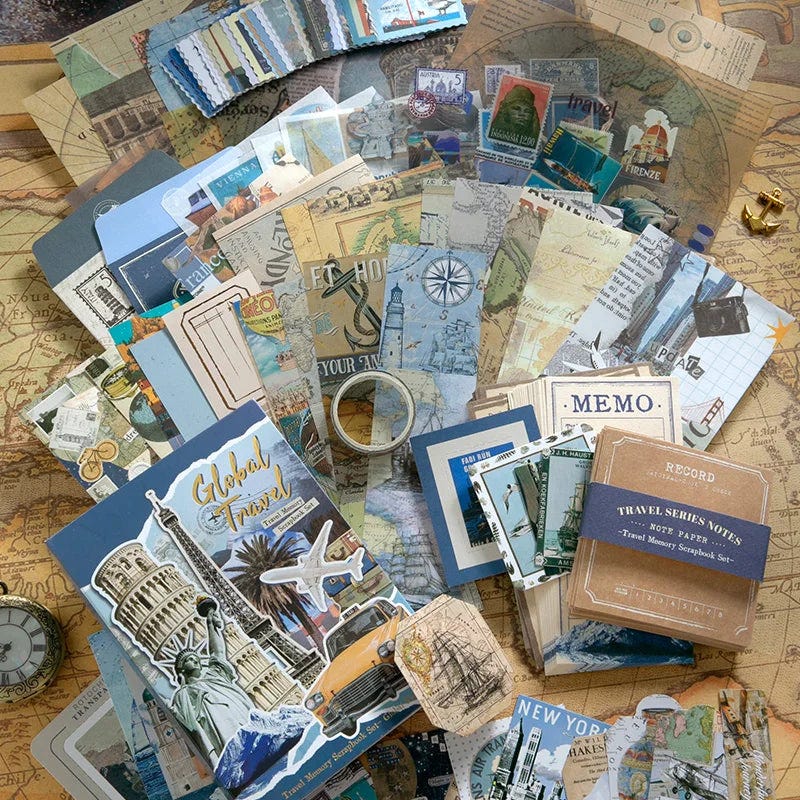
Welcome to PaperWrld, your cozy corner of creativity where stationery dreams come to life! If you’re a journaling enthusiast or love to scrapbook, this delightful online shop is brimming with treasures that inspire your next artistic endeavor. Let’s explore the vibrant, nature-infused collections and unique finds that make PaperWrld a must-visit destination.
Crafting Beauty with Botanical Vibes
One of the standout collections at PaperWrld is the Botanical Aesthetic Kit. Imagine unrolling washi tapes adorned with lush florals and nature-inspired designs right onto your journal pages. This kit isn’t just stationery; it’s a gateway to create lush landscapes of your thoughts, memories, and dreams.
Looking for a creative kick? The Blooming Creativity Bundle is your go-to. This carefully curated package combines an array of stickers, washi tapes, and more, all designed to spark your imagination and elevate your projects to new heights.
Vintage Charm Awaits
For those who adore a touch of nostalgia, the Vintage Cartoon Wooden Rubber Stamp Set and the Vintage Story Wooden Rubber Stamp Set offer delightful designs that transport you back in time. Let your stories unfold with these charming stamps that add character and depth to your pages.
Unleash Your Inner Poet
Connecting with your thoughts can be a poetic journey. The Narrative Poetry PET Sticker Collection beautifully ties together artistry and words, making it easier to express your innermost feelings on paper.
Creating a Sense of Community
At PaperWrld, it’s not just about products; it’s about a community of creators who share a love for journaling and crafting. The blog offers countless resources, tips, and inspiration for anyone eager to dive into the colorful world of scrapbooking and journaling.
Sustainable Choices
In a time when sustainability matters more than ever, PaperWrld is committed to eco-friendliness. Many products are thoughtfully created with sustainable materials, ensuring your creative journey doesn’t harm the planet. Craft with peace in your heart, knowing you’re making a positive impact.
Join the Creative Adventure
Whether you’re looking to decorate your journal with whimsical washi tapes or capture the essence of nature in your scrapbooking projects, PaperWrld has something special for everyone. It’s a place where your creativity can run wild and your imagination knows no bounds.
So, why wait? Dive into the charming world of PaperWrld, explore their delightful collections, and let the magic of storytelling unfold on your pages. Happy crafting!
Disclaimer: The information presented in this blog post is based on publicly available data from https://paperwrld.com. Accuracy is not guaranteed — please verify before making decisions.
How to improve inventory alerts on Shopify without dev work: autoStockist
If you are a Shopify store owner struggling with inventory management, you know how crucial it is to keep track of your stock levels. The last thing you want is to run out of popular products or be stuck with excess inventory. Fortunately, there are solutions like autoStockist that can help you improve your inventory alerts without needing any development work. This article will guide you through the importance of inventory alerts, what to look for in an app, and how autoStockist can simplify your life.
Understand why inventory alerts matter.
Learn what features to seek in an inventory alert app.
Explore common pitfalls and how to avoid them.
Get a setup checklist to get you started.
Why inventory alerts matter (and the hidden cost of stockouts)
Imagine waking up one morning, checking your Shopify store, and discovering that a best-selling product is out of stock. Not only have you lost potential sales, but your customers may turn to competitors who have what they want. This is the hidden cost of stockouts, which can lead to lost revenue and a damaged reputation.
Effective inventory alerts help you stay ahead of the game by notifying you when stock levels are low or when items are out of stock. This proactive approach allows you to restock in time, keeping your sales flowing and your customers happy.
What to look for in an app for inventory alerts
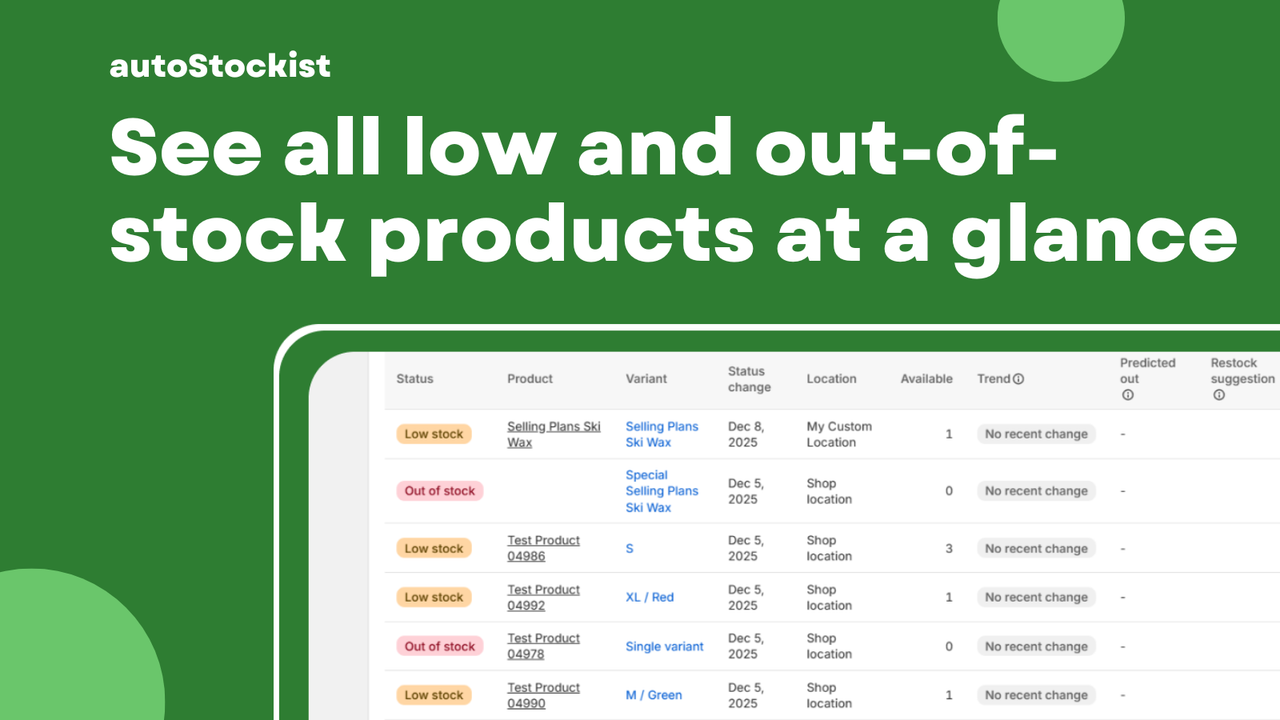
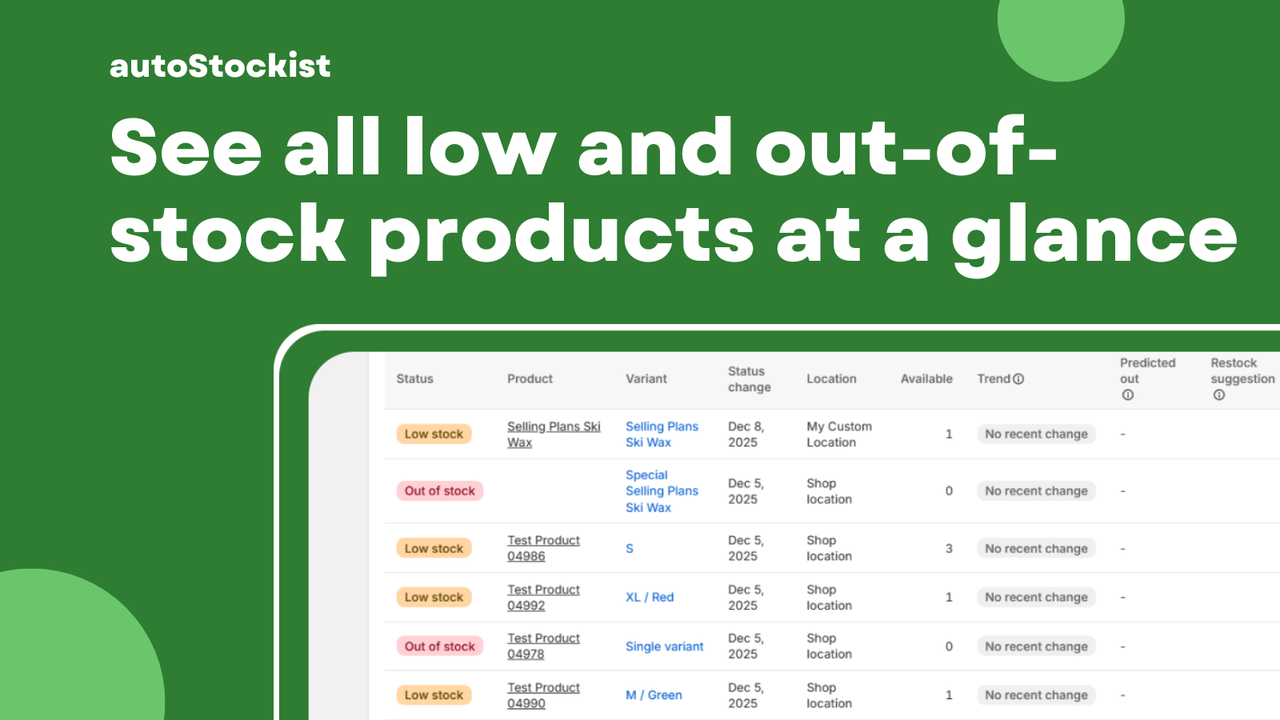
Instant alerts for low and out-of-stock products.
A user-friendly dashboard to monitor stock levels.
Email digests summarizing stock that needs attention.
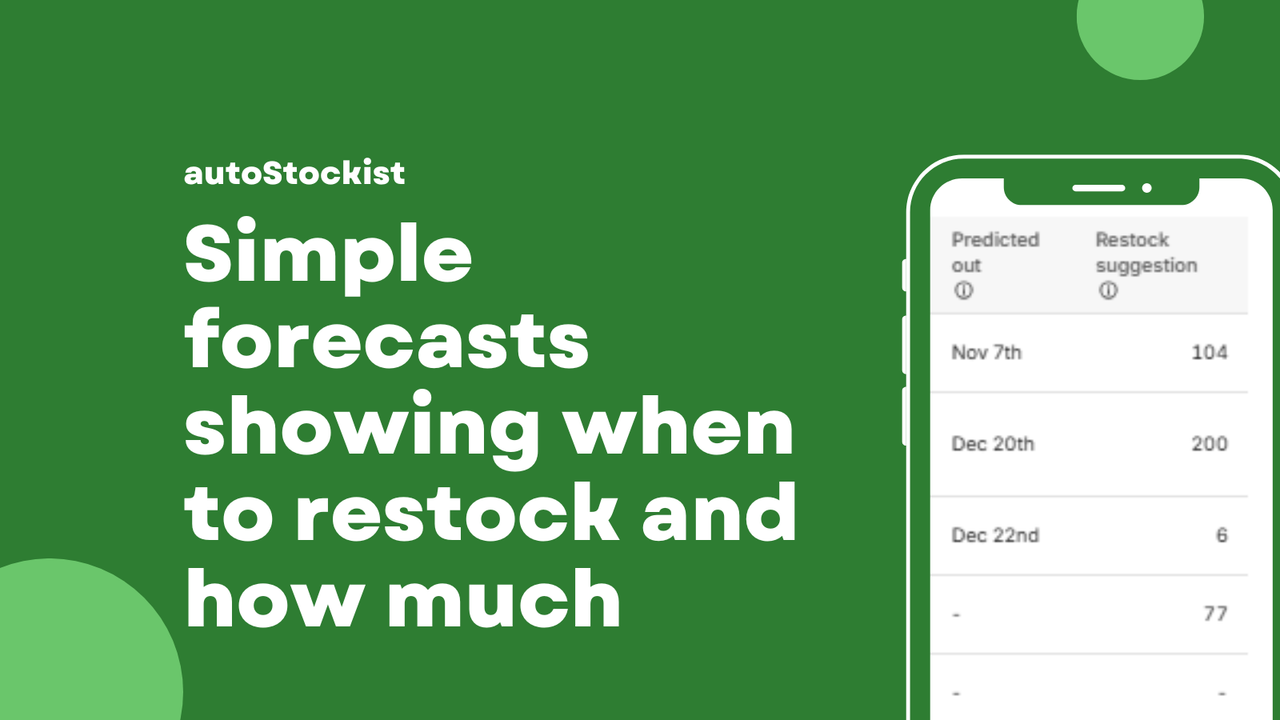
Predictive restock suggestions based on recent sales activity.
Estimated dates for when products are likely to run out.
A simple alert strategy (instant vs daily digest)
When setting up inventory alerts, you need to decide between instant notifications and daily digests. Instant alerts notify you as soon as stock levels drop below a certain threshold, allowing for quick action. On the other hand, daily digests summarize all low and out-of-stock items at the end of the day, giving you a comprehensive view without the constant ping of alerts.
Choosing the right strategy depends on your business model. If you have high sales volume and fast-moving products, instant alerts may be more beneficial. For slower-moving inventory, a daily digest might suffice. Some apps, like autoStockist, offer both options, so you can tailor your alerts to your needs.
Common pitfalls (noise, missing thresholds, team workflows)
Even with an inventory alert system in place, there are pitfalls to watch out for:
Noise: Too many alerts can overwhelm you and lead to alert fatigue. Be strategic about your thresholds.
Missing thresholds: If you set your thresholds too high or too low, you might miss critical alerts or get alerted too often.
Team workflows: Ensure your team knows how to respond to alerts. Without a clear process, alerts can be ignored or mishandled.
How to keep inventory ops clean as you scale
As your Shopify store grows, so does the complexity of your inventory management. Here are some tips to keep your operations clean:
Regularly review your inventory levels and adjust thresholds as necessary.
Implement a consistent restocking schedule based on sales data.
Use inventory alert apps that can scale with your business.
Train your team on best practices for inventory management.
Setup checklist
Sign up for an inventory alert app like autoStockist.
Configure your alert thresholds based on product demand.
Set up instant alerts or daily digests according to your strategy.
Train your team on how to respond to alerts.
Regularly review and adjust your settings as your inventory needs change.
FAQ
What is autoStockist?
autoStockist is an inventory alert app for Shopify that helps you track low and out-of-stock products and provides instant alerts.
How does autoStockist help with inventory management?
It provides a simple dashboard, predictive restock suggestions, and daily email digests to keep you informed about your inventory levels.
Can I customize alert thresholds in autoStockist?
Yes, you can set specific thresholds for each product to ensure you get alerts that matter most to your business.
Is there a mobile app for autoStockist?
As of now, autoStockist does not have a dedicated mobile app, but it is accessible through your web browser.
How often will I receive alerts?
You can choose between instant alerts or daily summaries, depending on your preference and business needs.
What happens if I miss an alert?
If you miss an alert, it is essential to regularly check your dashboard or email digests to stay updated on your inventory levels.
Can autoStockist help prevent stockouts?
Yes, by providing timely alerts and predictive restock suggestions, autoStockist can help you avoid stockouts and lost sales.
In conclusion, managing inventory alerts effectively is crucial for the success of your Shopify store. With tools like autoStockist, you can streamline your inventory management without the need for development work. Start improving your inventory alerts today to keep your business running smoothly.
Want to try it? Take a look at autoStockist on the Shopify App Store.
Top Shopify apps for out of stock alerts: why autoStockist stands out
If you are running an eCommerce store on Shopify, keeping track of your inventory is crucial. One of the most frustrating issues you can face is running out of stock unexpectedly. This is where out of stock alerts come into play. They help you manage your inventory effectively, ensuring you never miss a sale. In this article, we will explore the top Shopify apps for out of stock alerts, and why autoStockist stands out among the competition.
Understand the importance of out of stock alerts.
Learn what to look for in an out of stock alert app.
Discover a simple alert strategy.
Get a setup checklist for smooth implementation.
Why out of stock alerts matter (and the hidden cost of stockouts)
Out of stock alerts are essential for any eCommerce business. When a product is out of stock, it does not just mean a lost sale; it can lead to a negative customer experience and a damaged reputation. Customers expect to find what they are looking for, and if they do not, they may turn to your competitors.
The hidden costs of stockouts include:
Lost revenue from missed sales.
Decreased customer loyalty.
Increased operational costs due to last-minute restocking.
By implementing a reliable out of stock alert system, you can mitigate these risks and keep your customers happy.
What to look for in an app for out of stock alerts
Instant alerts when products become low or out of stock.
A simple dashboard showing all low and out-of-stock items.
Daily and weekly email digests summarising stock that needs attention.
Predictive restock suggestions based on recent activity.
Estimated dates for when products are likely to run out.
Time-saving features to reduce manual checks.
Team alignment through clear inventory digests.
A simple alert strategy (instant vs daily digest)
When it comes to managing out of stock alerts, having a strategy is key. You can choose between instant alerts and daily digest emails. Instant alerts provide immediate notifications when stock levels fall below a certain threshold, allowing you to act quickly. On the other hand, daily digest emails offer a summary of your stock status, which can help you plan your restocking efforts more effectively.
Depending on your business size and inventory turnover, you may want to use a combination of both strategies. This way, you can ensure that you are always informed without being overwhelmed by notifications.
Common pitfalls (noise, missing thresholds, team workflows)
While setting up out of stock alerts can significantly improve your inventory management, there are common pitfalls to avoid:
Noise from too many alerts can lead to alert fatigue.
Missing thresholds can result in alerts that are not actionable.
Poor team workflows can lead to miscommunication about stock levels.
To avoid these issues, ensure that your alert settings are tailored to your specific needs and that your team has a clear understanding of the processes in place.
How to keep inventory ops clean as you scale
As your business grows, managing inventory can become increasingly complex. Here are some tips to keep your inventory operations clean:
Regularly audit your inventory and adjust your alert thresholds accordingly.
Implement a centralized inventory management system.
Train your team on inventory best practices.
By keeping your inventory operations organized, you can scale your business without losing control over your stock levels.
Setup checklist
Choose an app that fits your needs, such as autoStockist.
Set your thresholds for low and out of stock alerts.
Configure your alert preferences (instant or daily digest).
Train your team on how to use the app effectively.
Regularly review your inventory and alert settings.
FAQ
What is the purpose of out of stock alerts?
Out of stock alerts help eCommerce businesses manage their inventory by notifying them when products are low or out of stock, ensuring they do not miss sales opportunities.
How do I choose the right app for out of stock alerts?
Look for features such as instant alerts, a user-friendly dashboard, email summaries, and predictive restock suggestions.
Can I customize alert thresholds?
Yes, most out of stock alert apps allow you to customize thresholds based on your inventory needs.
What happens if I ignore out of stock alerts?
Ignoring out of stock alerts can lead to lost sales, decreased customer loyalty, and operational inefficiencies.
Do I need to manually check my inventory if I use an alert app?
No, a good out of stock alert app minimizes the need for manual checks by providing timely notifications about stock levels.
How often should I review my inventory settings?
It is advisable to review your inventory settings regularly, especially as your business grows or during peak seasons.
Is autoStockist easy to set up?
Yes, autoStockist is designed to be user-friendly and can be set up quickly to start receiving alerts about your stock levels.
In conclusion, managing out of stock alerts is a crucial aspect of running a successful eCommerce business on Shopify. With tools like autoStockist, you can streamline your inventory management and focus on growing your business without the constant worry of stockouts.
Want to try it? Take a look at autoStockist on the Shopify App Store.
The Impact of Influencer Partnerships on Link Building for E-Commerce Sites
In the vast digital landscape of e-commerce, where every click counts and every visitor is a potential customer, the quest for effective marketing strategies often leads us down the winding road of influencer partnerships. Yes, those social media darlings who seem to have a magic wand for turning products into sales! But what if I told you that these partnerships do more than just make your products look good? They could significantly boost your link-building efforts. So grab your favorite beverage, sit back, and let’s dive into the world of influencer partnerships and their impact on link building for e-commerce sites.
What is Link Building Anyway?
Before we delve into the glitzy world of influencers, let’s clarify what link building actually is. In simple terms, link building is the practice of acquiring hyperlinks from other websites to your own. Think of links as votes of confidence; the more you have, the more credible you become in the eyes of search engines. And trust me, search engines are like that one friend who only hangs out with the cool kids. If you don’t have enough links, you’re not getting invited to the party (aka, the top search results).
Influencers: The New Age of Marketing
Influencers are like modern-day magicians. They have the ability to create desire, provoke action, and help brands reach a wider audience. When influencers partner with brands, they promote products to their followers, who are often highly engaged and influential in their own right. This creates a ripple effect where a single influencer post can lead to thousands of shares, likes, and, most importantly, links back to your site.
The question is: how do these influencer partnerships impact link building specifically? Let’s break it down.
1. Quality Over Quantity
Not all links are created equal. It’s like comparing a five-star meal at a Michelin-starred restaurant to a soggy sandwich from a gas station. Influencers often have established credibility in their niche, and when they link to your e-commerce site, they lend you some of that credibility. A link from a reputable influencer’s blog or social media account can significantly boost your domain authority and improve your search engine rankings.
2. Authentic Content Creation
Influencers are not just walking billboards; they’re content creators. They know how to tell a story and engage their audience in a way that feels authentic. When influencers create content featuring your products, they often include links to your site organically. This not only helps with SEO but also drives targeted traffic. It’s like getting a golden ticket to Willy Wonka’s factory — everyone wants in!
3. Expanding Your Network
When you collaborate with an influencer, you’re not just gaining a link; you’re tapping into their network. Influencers often have connections with other brands, bloggers, and media outlets. A well-placed mention or feature can lead to additional backlinks from other sources, multiplying the impact of your initial partnership. It’s like throwing a pebble into a pond and watching the ripples spread out; you never know how far those ripples will reach!
4. Boosting Social Proof
In the world of e-commerce, social proof is everything. When an influencer endorses your product, it’s like getting a thumbs-up from a trusted friend. This can lead to more shares, more engagement, and ultimately, more links. People are more likely to link to content that they find credible and trustworthy. So, if they see an influencer they admire talking about your product, they’re more inclined to check it out and, you guessed it — link back to you.
5. SEO Benefits from Influencer Content
Influencers often create high-quality, keyword-rich content that can help improve your SEO. When they write blog posts, create videos, or even post on social media, they tend to follow SEO best practices (or at least, they should!). This means that if they use relevant keywords and link back to your site, you’re not only gaining a backlink but also potentially climbing the search engine rankings. It’s a win-win situation!
How to Build Effective Influencer Partnerships
Now that we’ve established why influencer partnerships are beneficial for link building, let’s talk about how to create effective partnerships. Here are a few tips:
Identify the Right Influencers: Not every influencer will be a good fit for your brand. Look for influencers whose audience aligns with your target market.
Build Relationships: Engage with influencers on social media before reaching out for a partnership. Comment on their posts, share their content, and show genuine interest in their work.
Be Clear About Expectations: When collaborating, make sure both parties understand what is expected. Discuss the type of content, links, and timelines upfront.
Provide Creative Freedom: Let influencers create content in their unique style. Authenticity is key, and their audience will appreciate their genuine voice.
Track Results: Use tools to monitor the performance of your influencer partnerships. Look at metrics like traffic, engagement, and backlinks to assess their impact.
Common Pitfalls to Avoid
While influencer partnerships can be a goldmine for link building, there are a few common pitfalls to avoid:
Choosing the Wrong Influencer: Make sure the influencer aligns with your brand values and has a genuine connection with their audience.
Overly Promotional Content: Avoid influencers who push products too aggressively. Authenticity is key; their audience will see through disingenuous promotions.
Ignoring Analytics: Don’t just throw money at influencers without tracking the results. Use analytics to measure the effectiveness of your campaigns.
The Future of Influencer Partnerships and Link Building
As social media continues to evolve, so will the landscape of influencer partnerships. We’re likely to see more niche influencers gaining traction, offering brands the opportunity to tap into hyper-targeted audiences. Additionally, the rise of platforms and tools that connect brands with influencers will make it easier to establish these partnerships.
For e-commerce sites, the future looks bright as influencer partnerships become an integral part of link-building strategies. By leveraging the credibility and reach of influencers, e-commerce brands can enhance their online presence, drive traffic, and ultimately increase sales. It’s a win-win for everyone involved — like sharing a pizza with friends but without the awkwardness of having to split the last slice!
Conclusion
In conclusion, influencer partnerships can have a profound impact on link building for e-commerce sites. By leveraging the credibility, authentic content creation, and expanded networks that influencers provide, brands can improve their search engine rankings and drive targeted traffic to their sites. Just remember to choose the right influencers, foster genuine relationships, and track your results to reap the full benefits of these partnerships.
And speaking of boosting your e-commerce strategy, if you’re looking for a way to streamline your blog content creation, don’t forget to check out autoBlogger. It’s like having a personal assistant for your content needs, so you can focus on what you do best — selling amazing products!
Note, this article was written with AI assistance to improve readability and give you, the reader, a better experience! :)