Thursday, July 30, 2026

Discover the Joy of Adventure with Trailer Supplies
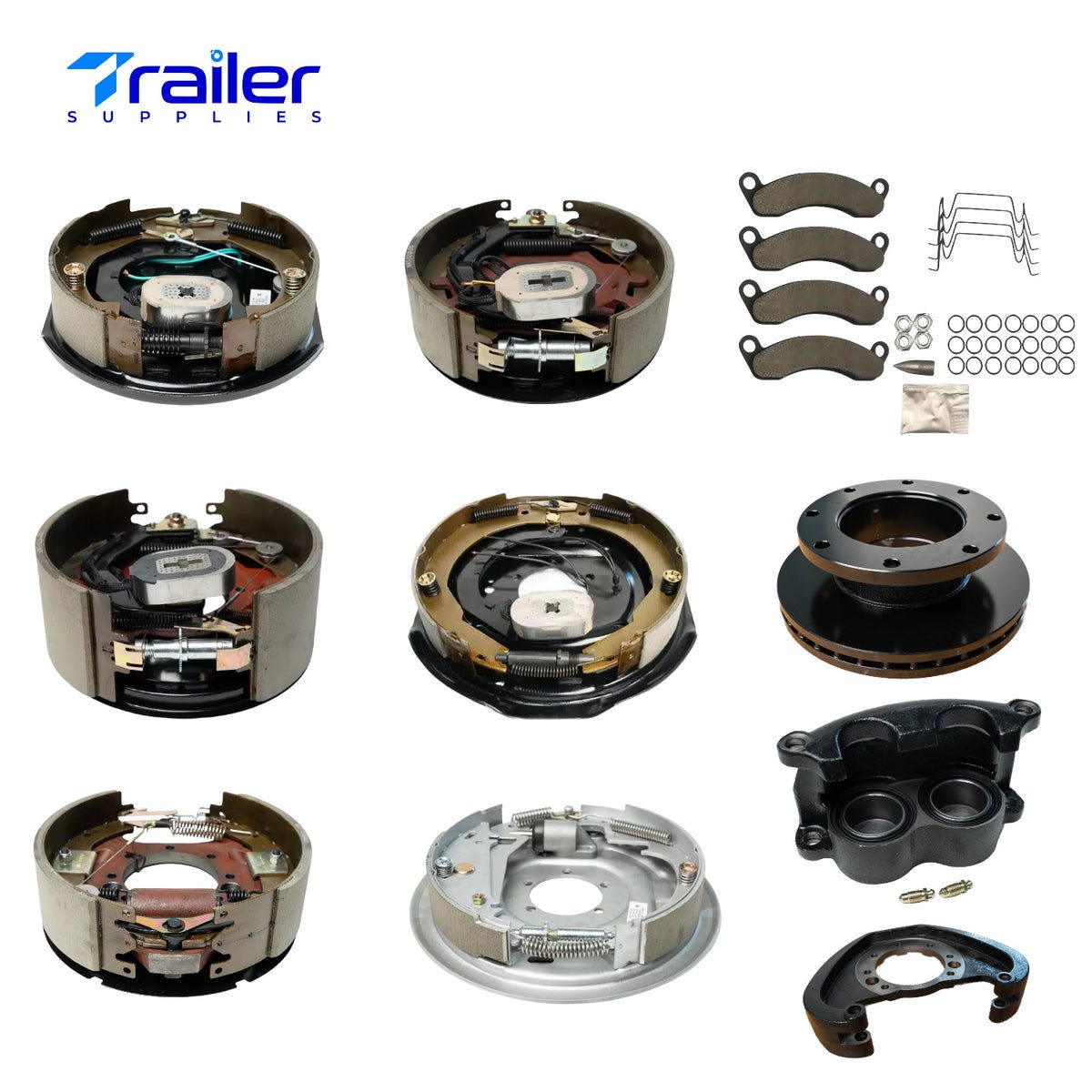
store image

Welcome to Trailer Supplies, your one-stop shop for all things related to your outdoor adventures! Whether you’re planning a weekend getaway or hitting the road for a lengthy journey, you’ll find everything you need to ensure your trailer is road-ready. With a growing selection of high-quality products, there’s bound to be something that catches your eye.

Your Adventure Starts Here

At Trailer Supplies, the motto is simple: “Adventure awaits.” This commitment to adventure is beautifully reflected in their range of products, carefully curated to enhance your experiences. From camping gear to trailer accessories, they focus on quality and functionality, making every journey more enjoyable.

Community and Passion

What makes Trailer Supplies special is its dedication to the community of outdoor enthusiasts. The team knows that every product they offer should inspire confidence and excitement. They believe in fostering a culture where people can share their stories and experiences, creating a strong bond among fellow adventurers.

Standout Collection Highlights

  • Camping Gear: Imagine cozy evenings by the campfire, with the perfect gear to make your stay comfortable. From tents to portable stoves, each item promises to elevate your camping experience.
  • Trailer Parts: Need to keep your trailer in tip-top shape? Discover a comprehensive range of parts and accessories designed for durability and reliability.
  • Outdoor Accessories: You’ll also love the selection of outdoor accessories that can transform any trip into something memorable — from comfy chairs to handy kitchen essentials.

A Promise of Quality

Every item at Trailer Supplies is chosen with care. The goal is to provide customers with reliable products that stand the test of time. Their focus on quality helps ensure that your adventures are as stress-free as possible. Plus, you can shop with confidence knowing that they offer a 30-day easy return policy — giving you the freedom to make choices that fit your lifestyle.

Convenience at Its Best

Who doesn’t love hassle-free shopping? Trailer Supplies offers free shipping on all orders, with the added perk of same-day dispatch. This means you won’t have to wait long before your goodies are on their way to you, ready for your next adventure!

Stay Connected

With an ever-expanding catalog and community updates, staying in the loop is easy. Trailer Supplies invites you to join their newsletter and be part of the adventure-loving family. You’ll receive the latest news, product launches, and advice straight to your inbox — perfect for keeping your adventurous spirit alive!

Your Next Adventure Awaits!

Trailer Supplies is more than just an online shop; it’s a gateway to exploring the great outdoors, making memories, and enjoying time with loved ones. From the moment you arrive at their website, you’ll feel welcomed and inspired to embark on new journeys.

So, are you ready to gear up and get going? Visit Trailer Supplies today and explore a world of adventure just waiting for you!

What are you waiting for? Check them out now!

Disclaimer: The information presented in this blog post is based on publicly available data from https://trailersupplies.com. Accuracy is not guaranteed — please verify before making decisions.


Labels:

Tuesday, July 28, 2026

Unlocking Clicks: The Essential Role of Meta Descriptions in SEO Success

a laptop computer sitting on top of a desk
Photo by Lukas Müller on Unsplash

The Importance of Meta Descriptions for Improving Click-Through Rates

Ah, the elusive meta description: the unsung hero of the SEO world. It’s the charming little snippet that appears beneath your webpage title in search engine results, waving its tiny flag and saying, “Pick me! I’m fun, I’m engaging, and I have what you need!” But how many of us actually give it the attention it deserves? Let’s dive into the world of meta descriptions and discover why they are crucial for improving click-through rates (CTR).

What is a Meta Description?

Before we jump headfirst into the importance of meta descriptions, let’s ensure we’re on the same page. A meta description is essentially a short summary of a webpage’s content, usually between 150–160 characters. It’s like the movie trailer for your content: it gives potential visitors a sneak peek at what they can expect if they click through. And just like a good movie trailer, a well-crafted meta description can leave viewers eager for more.

Why Meta Descriptions Matter

Now that we know what a meta description is, let’s explore why it’s important. Here’s a list of reasons to consider:

  • First Impressions Count: In the vast ocean of search results, your meta description is often the first thing a user will see. A concise and appealing description can differentiate your page from competitors.
  • Higher Click-Through Rates: A well-written meta description can significantly boost your CTR. If users are intrigued by what they read, they’re more likely to click through to your site.
  • Keyword Optimization: Including relevant keywords in your meta description can help search engines understand the context of your page, potentially improving your ranking.
  • Set Expectations: A meta description allows you to set clear expectations about the content, which can help attract the right audience. You want visitors who are interested in what you have to offer.

Crafting the Perfect Meta Description

Now that we understand why meta descriptions are important, let’s talk about how to craft one that actually works. Here are some tips to help you create a winning meta description:

1. Be Concise

Remember, you only have about 150–160 characters to work with. So, get to the point! Avoid fluff and focus on delivering a clear message that tells users what to expect.

2. Use Action-Oriented Language

Your meta description should encourage users to take action. Use verbs and call-to-action phrases like “Discover,” “Learn,” or “Shop Now” to entice clicks.

3. Incorporate Keywords

While you don’t want to stuff your meta description with keywords, including one or two relevant keywords can help grab attention and improve SEO. Just be sure it sounds natural!

4. Highlight Unique Selling Points

What makes your content or products stand out? Whether it’s free shipping, a unique feature, or a special promotion, make sure to showcase what sets you apart in your meta description.

5. Avoid Duplication

Each page on your website should have its own unique meta description. Duplicating descriptions across multiple pages can confuse search engines and dilute your visibility.

Examples of Effective Meta Descriptions

Sometimes, seeing is believing. Here are a few examples of effective meta descriptions:

  • Travel Blog: “Explore the hidden gems of Europe with our ultimate travel guide! From charming villages to breathtaking landscapes, adventure awaits!”
  • Online Store: “Shop our exclusive collection of eco-friendly products! Enjoy 20% off your first order and free shipping on purchases over $50!”
  • Recipe Blog: “Whip up a delicious dinner in under 30 minutes! Check out our quick and easy recipe for mouth-watering lemon garlic shrimp.”

Notice how these descriptions are concise, enticing, and provide a clear idea of what the user can expect? They make you want to click, don’t they?

The Connection Between Meta Descriptions and SEO

It’s essential to understand that while meta descriptions don’t directly influence search engine rankings, they play a vital role in driving traffic to your site. A higher CTR signals to search engines that your content is relevant and valuable, which can indirectly boost your rankings. So, while you’re optimizing your content for keywords and backlinks, don’t neglect the meta description!

Common Mistakes to Avoid

Even the best of us can make mistakes when crafting meta descriptions. Here are a few common pitfalls to steer clear of:

  • Overstuffing Keywords: While including keywords is important, cramming them in will only make your description sound awkward and spammy.
  • Being Vague: Avoid generic phrases like “Click here for more information.” Instead, be specific about what visitors can expect.
  • Ignoring Character Limits: If your description is too long, search engines will truncate it, potentially leaving out critical information.

Using Tools to Streamline the Process

Writing the perfect meta description for every single page can feel like a daunting task, especially if you have a large website. Thankfully, tools like autoBlogger can help automate the process. With this Shopify app, you can generate meta descriptions based on your content, saving you time and ensuring consistency across your site. Just set it and forget it — like a slow cooker for your SEO!

Conclusion

In the end, meta descriptions may seem like a small detail in the grand scheme of SEO, but they can have a huge impact on your click-through rates. By taking the time to craft engaging, relevant, and unique descriptions, you’ll not only enhance your search visibility but also attract the right audience to your site. So, roll up your sleeves, get creative, and start optimizing those meta descriptions!

Remember, the right words can make all the difference. And if you’re looking to streamline your content creation process, don’t forget to check out autoBlogger for a handy solution!

Note, this article was written with AI assistance to improve readability and give you, the reader, a better experience! :)


Labels:

Monday, July 27, 2026

Discover Unique Gifts at Ether Gifts

store image

Welcome to Ether Gifts, your go-to spot for personalized treasures that make any occasion special. Whether you’re celebrating a birthday, planning a corporate event, or simply want to surprise someone with a thoughtful gift, this online shop has something for everyone.

Personalization is Key

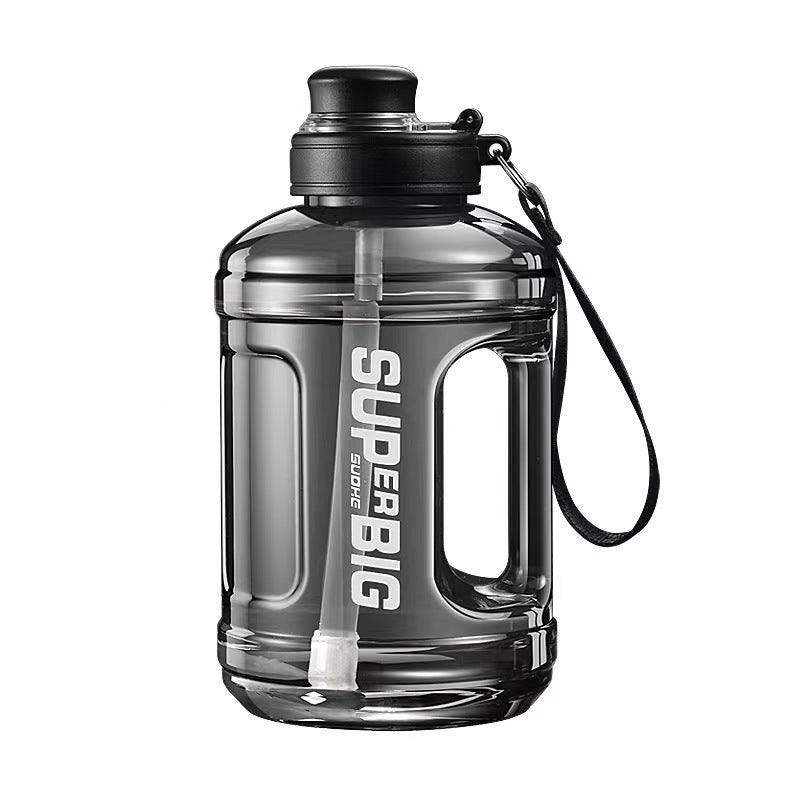
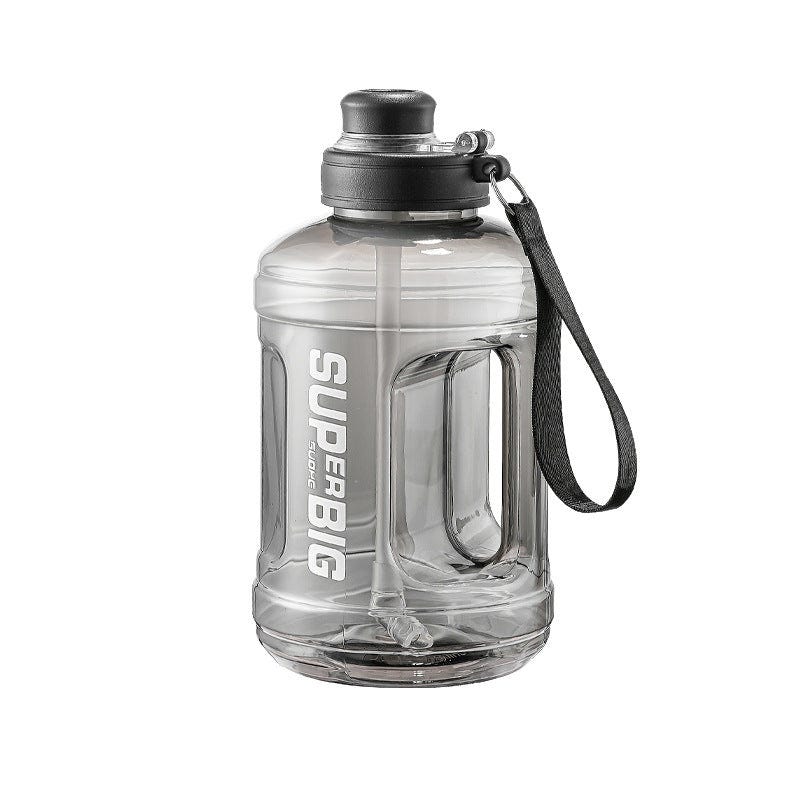
One of the standout features of Ether Gifts is their commitment to customization. Imagine gifting a beautiful large capacity water bottle emblazoned with a name or a special date! It’s not just a practical item; it’s a keepsake that holds meaning. From stylish heart-shaped cable organizers to trendy MagSafe phone wallets, the shop’s personalized items are created with care and creativity.

Sustainable and Eco-Friendly Choices

In today’s world, sustainability matters more than ever. Ether Gifts ensures they offer eco-friendly products. Their selection includes mini eco-friendly cutlery sets perfect for on-the-go eating, reflecting their dedication to protecting our planet. When you shop here, you’re not just giving gifts; you’re also promoting sustainability.

Seasonal Picks and Special Occasions

With the changing seasons, Ether Gifts curates special collections catering to various holidays and celebrations. From charming wedding gift sets to delightful mini insulated bottles that are great for summer picnics, there’s always something fresh and exciting to explore.

Spotlight on Practical Yet Fun Products

Functionality meets fun in their diverse product range. The handheld fans are perfect for keeping cool during outdoor events, while the clever rotating phone stands cater to your tech-savvy friends. Each item combines utility with a trendy design, ensuring that gifts are both practical and stylish.

A Personal Touch in Every Gift

What truly sets Ether Gifts apart is the heart they put into each product. With thoughtful customization that lets you add personal touches, every gift feels unique. How about a quirky airplane keychain for the travel enthusiast in your life? Or a sleek tea infuser bottle for that tea lover? The possibilities are endless!

Exceptional Service at Your Fingertips

Shopping online can sometimes feel impersonal, but not with Ether Gifts. Their customer service team is ready to assist you with any queries, ensuring a smooth shopping experience. Plus, their commitment to quality and satisfaction means you can shop with confidence.

Join the Ether Gifts Family

By choosing Ether Gifts, you’re not just purchasing a product; you’re becoming part of a community that values creativity, sustainability, and the joy of giving. Browse their wonderful collection today and find that perfect gift that will light up someone’s day!

Ready to explore? Head on over to Ether Gifts and discover a world of personalized wonders just waiting to be uncovered!

What are you waiting for? Check them out now!

store image 2

Disclaimer: The information presented in this blog post is based on publicly available data from https://ethergifts.com.tw. Accuracy is not guaranteed — please verify before making decisions.


Labels:

Sunday, July 26, 2026

How to Search Console schema warnings on Shopify: a practical guide (using autoSchema)

autoSchema

If you have a Shopify store, you might have come across Search Console schema warnings. These warnings can be a source of frustration, especially if you are not technically inclined. This article is designed for Shopify store owners who want to understand these warnings and learn how to address them effectively using autoSchema. We will explore what schema warnings are, why they occur, and how to resolve them.

  • Understand what Search Console schema warnings are
  • Learn why Shopify stores may encounter these warnings
  • Discover what to look for in an app designed to resolve schema issues
  • Get practical tips for validating your results

What Search Console schema warnings actually are

In simple terms, Search Console schema warnings indicate that there are issues with the structured data on your Shopify store. Structured data is a standardized format for providing information about a page and classifying the page content. Google uses this data to better understand your website and enhance search results with rich snippets. When there are warnings, it means something is off, and your store may not be fully optimized for search visibility.

Why Shopify stores get Search Console schema warnings wrong

There are several reasons why Shopify stores may encounter schema warnings. Some of the most common include:

  • Incorrectly implemented schema: Many store owners attempt to add schema markup manually, which can lead to mistakes.
  • Outdated information: If your store changes and the schema does not update accordingly, it can result in warnings.
  • Duplicate schema: Having multiple instances of the same schema markup can confuse search engines.
  • Missing required fields: Certain types of structured data require specific fields to be filled out. Missing these can trigger warnings.

What to look for in an app for Search Console schema warnings

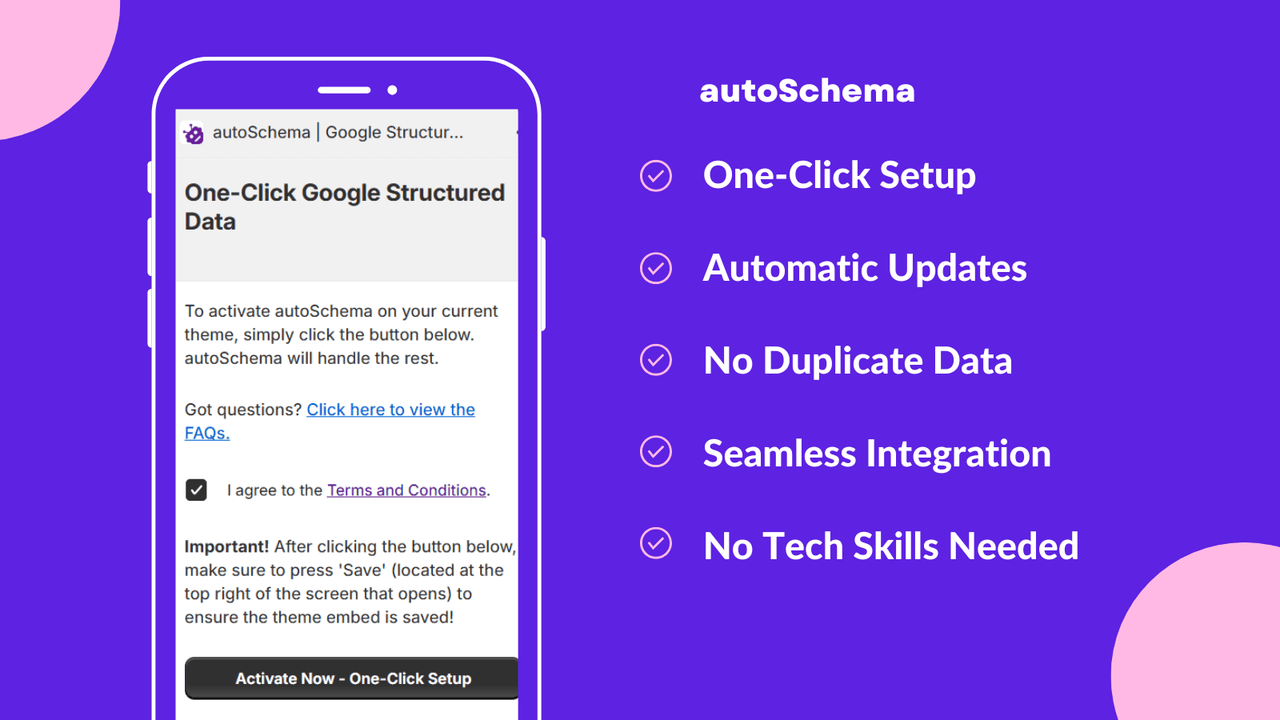
  • One-click setup: The app should easily activate Google structured data without technical effort.
  • Automatic updates: Ensure the app keeps structured data current as your store evolves.
  • Prevention of duplicate or invalid schema: Look for features that help avoid errors that could harm your SEO.
  • Seamless integration: The app should work well with your existing themes and store setups.
  • User-friendly: It should be designed for both beginners and advanced users.
  • Rich results qualification: The app should help your store qualify for Google rich results where applicable.

How to validate results (Search Console, rich results testing)

Once you have implemented structured data using an app like autoSchema, it is important to validate your results to ensure everything is working correctly. Here are a few steps to follow:

  • Use Google Search Console: After implementing structured data, check Google Search Console for any new warnings or errors.
  • Rich Results Test: Utilize Google’s Rich Results Test tool to see if your pages are eligible for rich results.
  • Check for updates: Regularly monitor your Search Console account for any changes in warnings or errors.

Common pitfalls (duplicate schema, missing fields, theme conflicts)

When it comes to schema markup, it is easy to stumble into common pitfalls. Here are a few to watch out for:

  • Duplicate schema: Make sure that you do not have multiple schema markups for the same content.
  • Missing fields: Always check that you are including all required fields for the type of schema you are using.
  • Theme conflicts: Sometimes, custom themes may interfere with the proper implementation of schema.
  • Manual errors: If you are manually adding schema, double-check for typos or formatting issues.

A simple ongoing maintenance approach

Maintaining your schema is crucial to prevent future warnings. Here are a few tips for ongoing maintenance:

  • Regular audits: Schedule regular audits of your structured data to catch any new issues early.
  • Stay updated: Keep your Shopify theme and apps updated to ensure compatibility.
  • Monitor performance: Use Google Analytics alongside Search Console to track how changes impact your traffic.

Setup checklist

  • Install the app: Start by installing autoSchema from the Shopify App Store.
  • Configure settings: Follow the app’s setup guide to configure your structured data settings.
  • Validate schema: Use the tools mentioned earlier to validate your structured data.
  • Monitor for warnings: Regularly check Google Search Console for any new schema warnings.

FAQ

What are Search Console schema warnings?

Search Console schema warnings indicate that there are issues with the structured data on your Shopify store that need to be addressed.

How can I fix schema warnings on my Shopify store?

Using an app like autoSchema can help automate the fixing of schema warnings by ensuring accurate and up-to-date structured data.

Can I manually implement structured data on Shopify?

Yes, but it is often prone to errors. Using an app can simplify the process and reduce the risk of mistakes.

How often should I check for schema warnings?

It is a good practice to check your Search Console regularly, ideally monthly, to catch any new warnings or issues early.

What if I continue to get warnings after using an app?

If warnings persist, it may be worth consulting the app’s support team or reviewing your theme for conflicts.

Does using structured data guarantee rich results?

No, while structured data helps increase the chances of rich results, it does not guarantee them. Google determines eligibility based on various factors.

Is technical knowledge required to use autoSchema?

No, autoSchema is designed for users of all skill levels, requiring little to no technical knowledge to set up and maintain.

Want to try it? Take a look at autoSchema on the Shopify App Store.

autoSchema


Labels:

Tuesday, July 21, 2026

Unbox Success: The Surge of Subscription Box Services on Shopify

white samsung android smartphone on white paper
Photo by Roberto Cortese on Unsplash

The Rise of Subscription Box Services on Shopify: Trends and Best Practices

Subscription box services have exploded in popularity over the last few years, and if you haven’t noticed, you may be living under a rock (or maybe just in a cave without Wi-Fi). From gourmet snacks to beauty products, there’s a subscription box for nearly every niche imaginable. And guess what? Shopify is at the forefront of this booming trend, making it easier than ever for entrepreneurs to jump on the bandwagon. In this article, we’ll dive into the trends and best practices of subscription box services on Shopify, and how you can ride this wave to success!

What’s the Buzz About Subscription Boxes?

First things first, let’s address the elephant in the room: why are subscription boxes so popular? It’s simple, really. People love surprises, they love convenience, and they love the idea of receiving a curated collection of goodies right at their doorstep. It’s like Christmas morning every month, minus the family arguments over who gets the last slice of pie.

In fact, according to Statista, the subscription box market has grown into a multi-billion dollar industry. From beauty to fitness to even cat toys (yes, your feline friend deserves the finer things in life), there’s a subscription service catering to every interest. And thanks to Shopify, starting your own subscription box business is just a few clicks away!

Trends in Subscription Box Services

Now that we’ve established that subscription boxes are all the rage, let’s take a look at some of the key trends that are shaping this industry.

1. Personalized Experiences

Gone are the days of generic boxes filled with random items. Today’s consumers want a personalized experience. Subscription box services are leveraging data and customer insights to tailor their offerings to individual preferences. Whether it’s through quizzes to determine favorite flavors or algorithms that learn purchasing habits, personalization is key.

So, if you’re starting a subscription box service, consider how you can make your offerings more personal. Maybe you could send a birthday gift to subscribers or allow them to customize their box contents. The more personal the experience, the happier the customer — and we all know happy customers are the best kind.

2. Sustainability is the New Black

In a world increasingly concerned with environmental impact, sustainability is no longer just a trend; it’s a lifestyle. Subscription box services are taking notice and making strides to offer eco-friendly products and packaging. From biodegradable packing peanuts to ethically sourced goods, consumers are looking for brands that align with their values.

Consider incorporating sustainable practices into your subscription box service. This might involve partnering with eco-conscious brands, using recyclable materials, or even donating a portion of your profits to environmental initiatives. By doing so, you’ll not only attract conscientious consumers but also contribute to a better planet. Win-win!

3. The Rise of Niche Markets

Remember when everyone was clamoring for the same few mainstream subscription boxes? Well, now it’s all about niche markets. Whether it’s a box for plant lovers, fitness enthusiasts, or even cat-themed merchandise (seriously, where do I sign up?), catering to specific interests can set your box apart from the competition.

Think about your passions and interests. Is there a community or hobby that you’re particularly dedicated to? If so, consider turning that into a subscription box service. The more niche your offering, the more likely you’ll attract a dedicated audience. Plus, it’s a great excuse to geek out over something you love!

Best Practices for Launching Your Subscription Box Service

So, you’re convinced that starting a subscription box service is the way to go. But how do you turn that dream into a reality? Here are some best practices to keep in mind:

1. Start with a Solid Business Plan

Before you dive headfirst into the world of subscription boxes, take the time to craft a solid business plan. This should include your target audience, pricing strategy, marketing plan, and logistics. Remember: failing to plan is planning to fail. And nobody wants to fail while trying to send people surprise goodies!

2. Choose the Right Shopify App

Shopify offers numerous apps to help you manage your subscription box service effectively. One standout option is autoBlogger. This app can help automate your content marketing efforts, ensuring you keep your subscribers informed and engaged with fresh content. Plus, it saves you time, so you can focus on curating amazing boxes rather than stressing over blog posts!

3. Build a Strong Brand Identity

In a saturated market, having a strong brand identity is crucial. From your logo to your packaging, everything should reflect your brand’s personality and values. If your subscription box is fun and quirky, let that shine through in your branding. If it’s more sophisticated, go for a sleek and elegant design. Just remember to be consistent across all platforms!

4. Leverage Social Media

Social media is your best friend when it comes to promoting your subscription box service. Create engaging content, showcase your products, and build a community around your brand. Partner with influencers in your niche to reach a wider audience and consider running contests to generate buzz. After all, who doesn’t love free stuff?

5. Focus on Customer Retention

Acquiring new customers is great, but don’t forget about the importance of retaining your existing ones. Foster a sense of community among subscribers by encouraging feedback, hosting events, or creating a loyalty program. Happy customers are more likely to stick around and spread the word about your service.

Conclusion

The subscription box industry shows no signs of slowing down, and with the help of Shopify, it’s easier than ever to launch your own service. By keeping an eye on current trends and implementing best practices, you can create a subscription box that not only meets customer demands but also stands out in a crowded marketplace.

So what are you waiting for? Grab your laptop, choose your niche, and jump into the exciting world of subscription boxes! And don’t forget to check out autoBlogger to help streamline your content marketing efforts along the way!

Note, this article was written with AI assistance to improve readability and give you, the reader, a better experience! :)


Labels:

Monday, July 20, 2026

Discover the Joy of Movement at Pilate Studio

store image

Welcome to Pilate Studio, where the art of Pilates meets a passion for quality and sustainability. Whether you’re a seasoned practitioner or just starting out on your fitness journey, this online shop invites you to explore a delightful range of products designed to enhance your practice and elevate your experience at home.

Your Perfect Pilates Companion

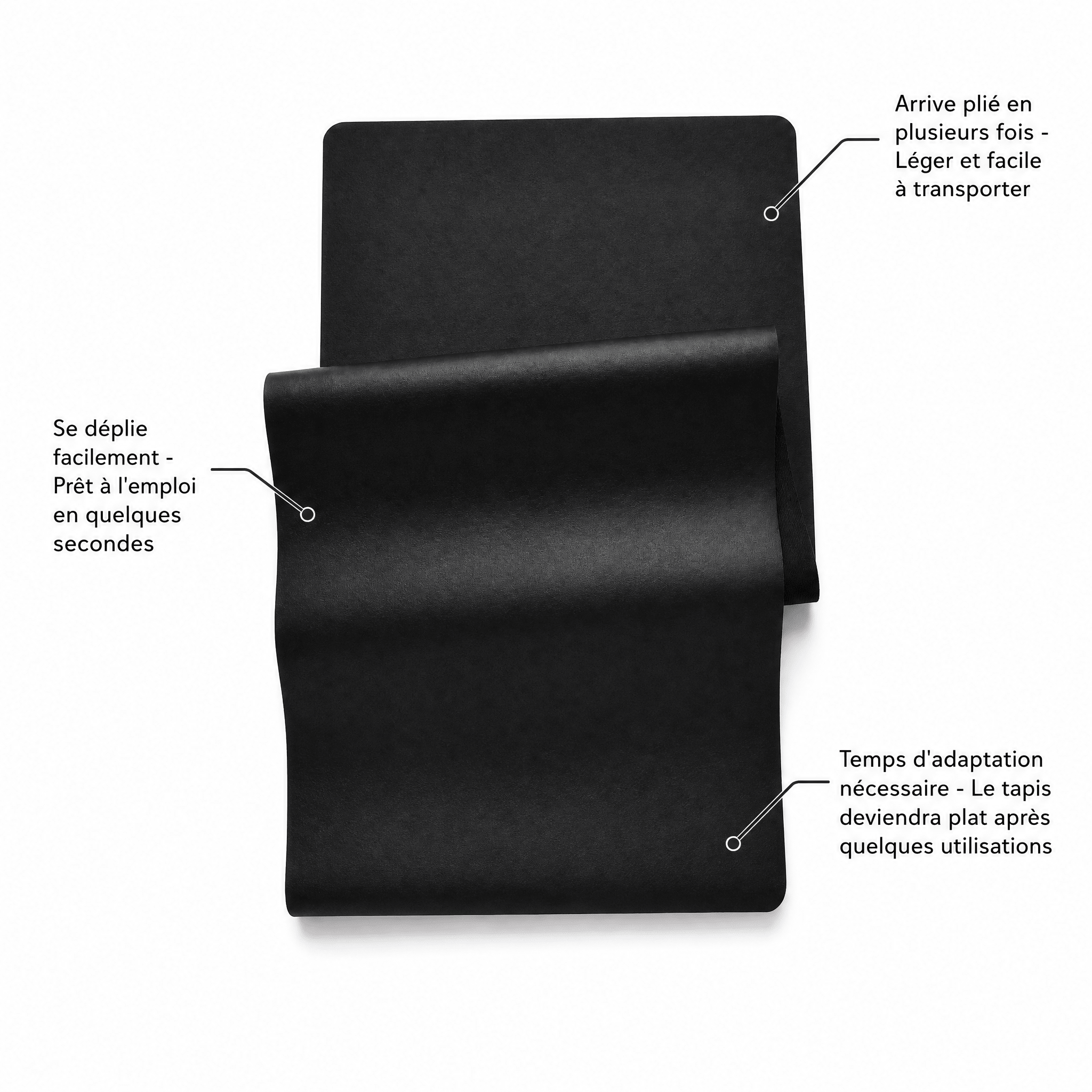
Imagine unrolling your Pilates mat crafted from eco-friendly EVA foam, offering a soft yet sturdy surface that supports your every move. Designed for comfort and performance, this mat is ideal for those moments of calm, helping you find balance and stability in your routine.

If you love to carry your essentials with you, the 4-in-1 Pilates bag is just the ticket. It’s not just stylish but also super functional, providing ample space for your gear, whether you’re heading to a class or just need a reliable companion for your workouts.

At-Home Fitness Made Easy

Looking to take your Pilates practice to the next level? Check out the Mini Reformer Pilates. This versatile piece of equipment brings the studio experience right into your living room. It’s compact, easy to store, and perfect for those who want a full-body workout without the hassle of large equipment.

The complete Pilates kit combines a ball, ring, and resistance band, providing endless possibilities for toning and stretching. It’s everything you need to keep your workouts dynamic and engaging, whether you’re refining your technique or building strength.

Stay Hydrated and Motivated

Don’t forget to hydrate! The Pilates water bottle features a sleek design and even has a spot for your phone — perfect for those moments of downtime between sets. It’s a practical companion to keep you refreshed and connected.

Practical Accessories to Enhance Your Practice

Every Pilates enthusiast knows that the right accessories can make a world of difference. The Pilates blocks offer stability and support, helping you achieve better positioning and alignment. Lightweight and easy to use, they are a great addition to any session.

If you’re looking to amp up your workout intensity, try the weighted bracelets. They add just the right amount of resistance to your routines, helping you build strength over time in a fun and effective way.

And why not explore the different levels of challenge provided by the resistance bands? These compact yet versatile tools are perfect for stretching and strength training, offering a great way to switch things up.

The Perfect Balance of Function and Aesthetics

Lastly, the Pilates ball is a must-have for anyone looking to improve balance and core strength. With its non-slip surface, it’s great for enhancing stability during workouts. Plus, it adds a splash of color and fun to your exercise space!

Values That Matter

At Pilate Studio, you’ll find a commitment to sustainability and quality. Each product is thoughtfully selected to ensure it meets high standards, not just for performance but for our planet too. This shop cares about the environment as much as it cares about your Pilates journey.

Join the Community

Why not become part of a community that values wellness and support? With resources, tips, and tutorials available on their blog, Pilate Studio is not just a store; it’s a welcoming space for everyone looking to improve their physical and mental well-being.

So, whether you’re looking to find that perfect mat, a supportive bag, or additional gear to enhance your practice, Pilate Studio has something for you. Stop by Pilate Studio and step into a world of wellness, where your Pilates journey begins!

What are you waiting for? Check them out now!

store image 2

Disclaimer: The information presented in this blog post is based on publicly available data from https://pilatestudio.store. Accuracy is not guaranteed — please verify before making decisions.


Labels:

Sunday, July 19, 2026

Best free Shopify app for out of stock alerts: is autoStockist enough?

autoStockist

If you’re running an eCommerce store, chances are you’ve felt the frustration of dealing with out of stock alerts. Not only can stockouts lead to lost sales, but they can also tarnish your brand’s reputation. This article is for Shopify merchants looking to streamline their inventory management and avoid the pitfalls of running out of stock. We’ll explore the importance of out of stock alerts and see if the autoStockist app is enough to keep your inventory in check.

  • Understand why out of stock alerts are crucial for your business
  • Learn what features to look for in an app
  • Get practical tips on setting up autoStockist
  • Avoid common pitfalls that can hinder your inventory management

Why out of stock alerts matter (and the hidden cost of stockouts)

Imagine a customer landing on your store, excited to buy that trendy new gadget you’ve been promoting. They add it to their cart, only to find out it’s out of stock. Not only have you lost a sale, but you’ve also likely lost a customer. The hidden costs of stockouts can be significant, including:

  • Lost revenue from missed sales
  • Damage to customer trust and loyalty
  • Increased operational costs from last-minute restocking

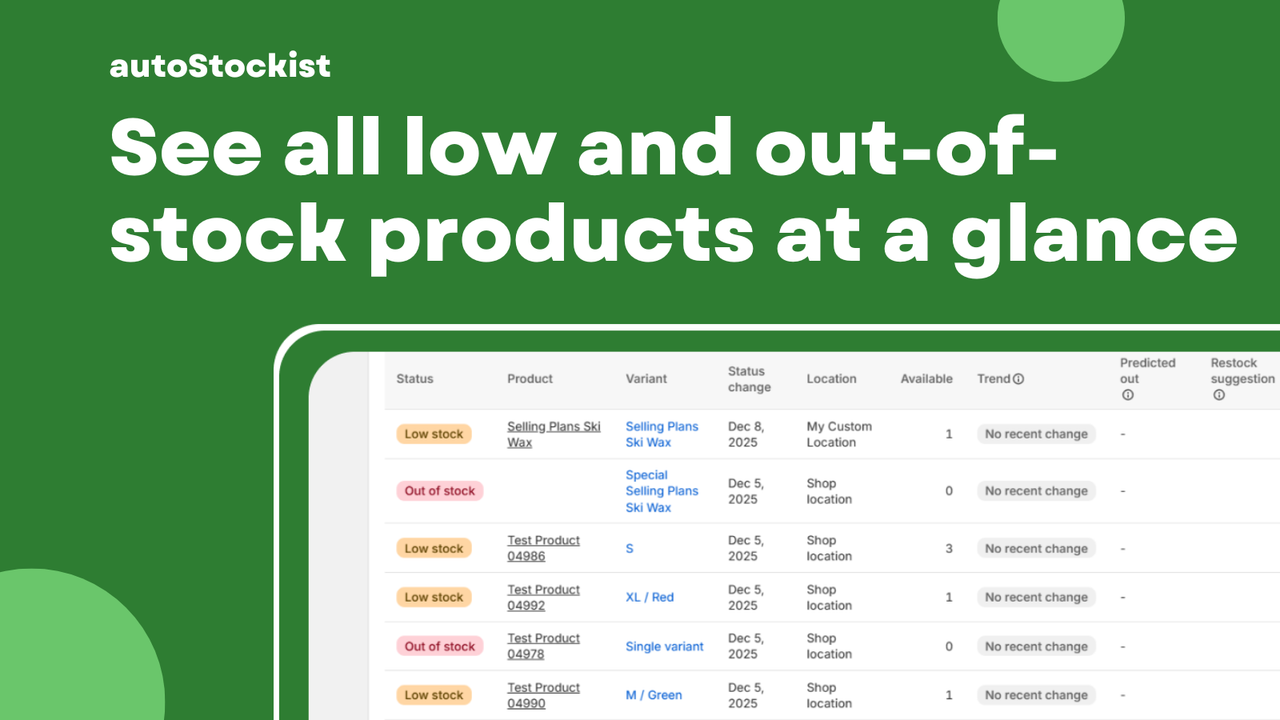
Having an effective out of stock alert system in place means you can proactively manage your inventory, ensuring that you never miss a sale due to stockouts. With tools like autoStockist, you can track low and out-of-stock products efficiently, allowing you to stay ahead of potential issues.

What to look for in an app for out of stock alerts

  • Instant alerts for low and out-of-stock items
  • A user-friendly dashboard to view inventory status
  • Daily and weekly email summaries for easy tracking
  • Predictive restock suggestions based on sales trends
  • Estimated run-out dates for better planning

When evaluating apps like autoStockist, these features can make a significant difference in how effectively you manage your inventory and respond to stock levels.

A simple alert strategy (instant vs daily digest)

One of the key decisions you’ll need to make is how you want to receive alerts. You can choose between instant notifications or daily digests. Instant alerts keep you on your toes, providing real-time updates when stock levels drop. This is great for businesses that need to act quickly. However, if your team prefers a less chaotic approach, a daily digest might be more appropriate. This allows you to review all low and out-of-stock items in one go, minimizing distractions throughout the day.

Common pitfalls (noise, missing thresholds, team workflows)

While setting up out of stock alerts can be beneficial, there are common pitfalls to watch out for:

  • Noise: Too many alerts can lead to alert fatigue, causing important notifications to be overlooked.
  • Missing thresholds: Setting inappropriate thresholds for alerts can lead to either too many notifications or missing critical ones.
  • Team workflows: If your team is not aligned on how to respond to alerts, you may end up with confusion and inefficiency.

To avoid these issues, ensure that your alert settings are tailored to your business needs and that your team has a clear plan for handling notifications.

How to keep inventory ops clean as you scale

As your business grows, maintaining clean inventory operations becomes increasingly important. Here are some strategies to keep your inventory in check:

  • Regularly audit your inventory to identify slow-moving items.
  • Implement a consistent restocking schedule based on sales patterns.
  • Utilize inventory management tools like autoStockist to automate alerts and reduce manual checks.

By maintaining organized inventory operations, you can scale your business without the stress of stockouts or overstocking.

Setup checklist

  • Install the autoStockist app from the Shopify App Store.
  • Configure alert settings based on your business needs.
  • Set up daily or instant alerts according to team preferences.
  • Review the dashboard for an overview of low and out-of-stock items.
  • Schedule regular inventory audits to keep track of stock levels.

Following this checklist will help you set up autoStockist effectively, ensuring that you can manage your inventory with ease.

FAQ

What is autoStockist?

autoStockist is a Shopify app that helps you manage your inventory by providing alerts for low and out-of-stock products, along with predictive restock suggestions.

Is autoStockist free?

Yes, autoStockist offers a free version, making it accessible for Shopify merchants looking to improve their inventory management without breaking the bank.

Can I customize alert thresholds in autoStockist?

Yes, you can customize alert thresholds to suit your business needs, ensuring that you receive notifications at the right times.

How often will I receive alerts?

You can choose to receive instant alerts or daily digests, depending on your preferences and the needs of your team.

What happens if I miss an alert?

autoStockist provides a dashboard where you can review all low and out-of-stock items, ensuring you can catch up on any missed alerts.

Does autoStockist integrate with other apps?

autoStockist is designed to work within the Shopify ecosystem, but specific integration capabilities may vary. Check the app’s documentation for more details.

Can autoStockist help me predict when items will run out?

Yes, one of the key features of autoStockist is its ability to provide estimated run-out dates based on recent sales activity, allowing for better inventory planning.

In conclusion, if you are looking for a way to streamline your inventory management and avoid stockouts, autoStockist could be a valuable tool for your Shopify store. By implementing effective out of stock alerts, you can not only save time but also enhance your customer experience. So why not give it a try? Your future self (and your customers) will thank you!

Want to try it? Take a look at autoStockist on the Shopify App Store.

autoStockist


Labels:

Wednesday, July 15, 2026

How to Shopify blog automation on Shopify (checklist + setup): autoBlogger

autoBlogger

If you’re a Shopify merchant looking to streamline your blogging efforts, you’ve probably stumbled upon the term Shopify blog automation. This article is designed for you! We will explore how to automate your store’s blogging with autoBlogger, a tool that promises to take the heavy lifting out of creating content. Let’s dive into the world of automated blogging and see how you can save time while boosting your store’s SEO.

  • Learn what Shopify blog automation means for your store.
  • Discover key features to look for in a blogging solution.
  • Follow a simple setup checklist to get started.
  • Understand common pitfalls and how to avoid them.

What Shopify blog automation means for a Shopify store (and why it’s harder than it sounds)

Shopify blog automation refers to using tools that automatically generate and publish blog posts on your Shopify store. Sounds simple, right? But here’s the catch: not all automation tools are created equal. You want to ensure that the content generated is high-quality, SEO-friendly, and relevant to your audience.

Many merchants struggle with consistency and quality when automating their blogging. The challenge lies in creating content that resonates with your target audience while adhering to SEO best practices. That’s where a tool like autoBlogger comes into play, offering a solution that combines automated content generation with SEO optimization.

What to look for in an app for Shopify blog automation

  • Set-and-forget functionality for hassle-free blogging.
  • SEO-optimized content structure, including metadata and headings.
  • Ability to generate both topic-based and product-focused posts.
  • Integrated product links and keyword targeting.

A simple setup that won’t break your theme

One of the biggest fears merchants have when implementing new apps is the risk of breaking their store’s theme. Fortunately, autoBlogger is designed to integrate seamlessly with your existing Shopify setup. Here’s a simple setup guide:

  • Install the autoBlogger app from the Shopify App Store.
  • Follow the on-screen instructions to connect your store.
  • Choose your preferred article mode: topic-based or product-focused.
  • Configure your SEO settings, including keywords and metadata.
  • Set your desired publishing schedule.

Once set up, you can sit back and let autoBlogger do its magic. Just remember to check in periodically to ensure everything is running smoothly.

How to keep quality consistent (without sounding like AI)

One common concern with automated content is that it can sometimes lack a human touch. To avoid sounding robotic, consider the following tips:

  • Customize the generated content by adding personal insights or anecdotes.
  • Review and edit the content before publishing to ensure it aligns with your brand voice.
  • Use the app’s editing features to tweak headlines and calls-to-action.

By taking these steps, you’ll ensure that your blog maintains a consistent voice, engaging your audience while still benefiting from automation.

Common pitfalls (thin content, duplication, poor internal linking)

While automating your blog can save time, there are pitfalls to watch out for:

  • Thin content: Ensure that the posts generated provide value and are not just filler.
  • Duplication: Avoid publishing similar content that could harm your SEO efforts.
  • Poor internal linking: Make sure to incorporate relevant links within your articles to improve site navigation and SEO.

By being mindful of these issues, you can maintain a high-quality blog that attracts organic traffic.

Quick checklist to sanity-check each post before it goes live

Before you hit publish, consider this checklist:

  • Is the content relevant and engaging for my target audience?
  • Have I included appropriate keywords for SEO?
  • Are the images used relevant and properly attributed?
  • Does the post have internal links to other relevant content on my site?
  • Have I added a clear call-to-action for readers?

This checklist will help you ensure that each post adds value and contributes positively to your store’s SEO strategy.

FAQ

What is Shopify blog automation?

Shopify blog automation refers to using tools that automatically generate and publish blog posts on your Shopify store, allowing merchants to save time and maintain a consistent blogging schedule.

How does autoBlogger work?

autoBlogger generates SEO-friendly blog posts based on your selected topics or products, allowing you to automate content creation while ensuring quality and relevance.

Can I edit the posts generated by autoBlogger?

Yes, autoBlogger allows you to edit published articles directly within Shopify’s blog editor, giving you control over the final output.

Will using autoBlogger affect my SEO negatively?

If used correctly, autoBlogger can enhance your SEO by generating high-quality, keyword-optimized content. Just be cautious of common pitfalls like thin content and duplication.

How often does autoBlogger publish posts?

You can customize the publishing schedule according to your preferences, whether it’s daily, weekly, or at specific intervals.

Is there a trial period for autoBlogger?

While the specifics may vary, it’s advisable to check the Shopify App Store for any trial offerings or promotional periods for autoBlogger.

Can I integrate autoBlogger with other Shopify apps?

Yes, autoBlogger is designed to work seamlessly with other Shopify apps, enhancing your overall store functionality.

In conclusion, Shopify blog automation can significantly benefit your store by saving time and improving SEO. With autoBlogger, you can fully automate your blogging efforts, ensuring high-quality, engaging content without the hassle. Ready to take your blog to the next level? Give it a try today!

Want to try it? Take a look at autoBlogger on the Shopify App Store.

autoBlogger


Labels:

Tuesday, July 14, 2026

Unlocking Success: How Micro-Influencers Drive Niche E-Commerce Growth

influence letters on floor
Photo by Diggity Marketing on Unsplash

The Impact of Micro-Influencers on Niche E-commerce Brands

In the age of social media, every scroll through your feed is likely to be punctuated by a plethora of influencers flaunting their latest finds, from skincare serums to cozy sweaters. But while you might be imagining a glamorous celebrity endorsement, let’s take a moment to shine a spotlight on the unsung heroes of the influencer world: micro-influencers.

What on Earth is a Micro-Influencer?

First off, let’s define the term. Micro-influencers are typically individuals with a following of between 1,000 to 100,000 people. They are the relatable neighbors of the influencer world, often sharing their lives, opinions, and, yes, products, with a tight-knit community. Their followers trust them, and that trust can be a goldmine for niche e-commerce brands looking to break through the noise.

Why Micro-Influencers Matter

You might be wondering, “Why should I care about these smaller influencers when I could just get a mega-celebrity?” Well, let’s break it down:

  • Authenticity: Micro-influencers often have a more genuine connection with their audience. They’re not just a face on a billboard; they’re real people sharing real experiences. This authenticity translates into trust, and trust leads to conversions.
  • Engagement Rates: Studies have shown that micro-influencers often have higher engagement rates compared to their macro counterparts. Their followers are more likely to interact with their content, which means more eyes on your brand.
  • Cost-Effectiveness: Partnering with micro-influencers is often more budget-friendly. Instead of shelling out thousands for a celebrity post, you can connect with multiple micro-influencers for a fraction of the cost, expanding your reach without breaking the bank.

Finding Your Perfect Micro-Influencer Match

Now that you’re sold on the idea of micro-influencers, the next step is finding the right ones for your brand. Here are some tips to get you started:

  1. Define Your Niche: Understand your audience and what they love. Are they eco-conscious? Fitness fanatics? Tech enthusiasts? Knowing your niche will help you find influencers who resonate with your values.
  2. Do Your Research: Use social media platforms to search for micro-influencers in your niche. Check their engagement rates, the authenticity of their followers, and their overall vibe. You want someone who aligns with your brand’s personality.
  3. Look Beyond Follower Count: While follower count is important, it’s not everything. Focus on engagement rates, niche relevance, and the quality of content they produce. A micro-influencer with 5,000 engaged followers can be more valuable than one with 50,000 ghost followers.

How to Collaborate Effectively

Once you’ve found your perfect match, it’s time to collaborate! Here are some ideas for working with micro-influencers effectively:

  • Product Reviews: Send them your product and ask for an honest review. Authenticity is key, and their followers will appreciate their genuine opinions.
  • Giveaways: Partner on a giveaway to increase engagement and visibility. Everyone loves free stuff, and it’s a great way to reach a broader audience.
  • Content Creation: Work with them to create engaging content that showcases your product in action. This could be a fun video, an Instagram story, or a blog post that highlights the benefits of your product.

The Ripple Effect of Influencer Marketing

Micro-influencers can create a ripple effect within niche communities. When they promote your brand, their followers might share it with their friends, who might in turn share it with their friends. Before you know it, your product is the talk of the town — at least in the micro-influencer’s corner of the internet!

Plus, influencer marketing doesn’t just lead to immediate sales; it can also enhance brand awareness. As more people see your brand through various micro-influencers, it builds a reputation that can lead to long-term customer loyalty. Who wouldn’t want that?

Challenges to Keep in Mind

Of course, no strategy is without its challenges. Collaborating with micro-influencers requires careful consideration:

  • Finding the Right Fit: Not every micro-influencer will be a good match for your brand. It’s essential to find someone whose values align with yours.
  • Managing Relationships: The relationship should be mutually beneficial. Make sure to maintain communication and be open to feedback. Remember, they are not just your marketing tool; they are your partner.
  • Measuring Success: Tracking the ROI of influencer marketing can be tricky. Set clear goals and use tracking tools to measure performance.

Success Stories: Micro-Influencers in Action

Let’s take a look at a couple of brands that have harnessed the power of micro-influencers:

1. Glossier: The beauty brand started by leveraging micro-influencers on social media to create buzz about its products. By encouraging real customers to share their experiences, Glossier built a community that felt genuine and relatable. The result? A loyal customer base and impressive sales figures.

2. Gymshark: This fitness apparel brand tapped into micro-influencers in the fitness community to spread the word about their products. By building relationships with these influencers, they created a network of brand advocates who genuinely loved their gear. Gymshark has since become a household name in the fitness world.

The Future of Micro-Influencers in E-commerce

The future looks bright for micro-influencers in the realm of niche e-commerce. As consumers continue to seek authenticity and connection, brands that leverage micro-influencers will likely find themselves at an advantage. The landscape of influencer marketing is evolving, and it’s clear that smaller influencers are here to stay.

So, if you’re a niche e-commerce brand looking to make waves, consider the impact of micro-influencers. It’s not just about the number of followers; it’s about the quality of connections and the authenticity they bring. And who knows, maybe you’ll be the next brand to ride the wave of micro-influencer success!

As you embark on this journey, don’t forget to streamline your content creation process with autoBlogger, the Shopify app that can help you generate engaging blog content effortlessly!

Note, this article was written with AI assistance to improve readability and give you, the reader, a better experience! :)


Labels:

Sunday, July 12, 2026

Top Shopify apps for cart drawer free shipping bar: why autoShipBar stands out

autoShipBar

If you are searching for the best cart drawer free shipping bar apps on Shopify, you are in the right place. This article will help you understand how a free shipping bar can boost your sales and why autoShipBar stands out among the options available. Whether you are a store owner looking to enhance your customer experience or simply curious about this feature, we will cover everything you need to know.

  • Understand why a cart drawer free shipping bar is effective.
  • Learn what to look for in a free shipping bar app.
  • Get practical tips for setting it up correctly.
  • Discover common mistakes to avoid.

Why cart drawer free shipping bar works (and where it doesn’t)

Free shipping is a powerful motivator for customers. A cart drawer free shipping bar provides a visual cue that informs shoppers how much more they need to spend to qualify for free shipping. This creates a sense of urgency and encourages customers to add more items to their cart.

However, this approach does not work in every situation. If your shipping thresholds are too high or if your products are already priced at a premium, customers may feel discouraged rather than motivated. It is essential to set a threshold that feels attainable to your audience.

What to look for in an app for cart drawer free shipping bar

  • Simple integration with your current theme.
  • Real-time updates as cart totals change.
  • Customizable messaging for different states (empty, progress, success).
  • Responsive design that works well on mobile devices.
  • Free features that do not compromise on quality.

A simple setup that matches your cart (drawer vs page)

When setting up your cart drawer free shipping bar, consider whether you want it to appear in the cart drawer or on the main cart page. The drawer option is often more convenient for customers who are browsing, as it allows them to see their progress without navigating away from the current page.

Make sure to customize the bar’s appearance to match your store’s theme, ensuring it feels like a natural part of the shopping experience.

Copywriting tips for the bar (empty, progress, success states)

The messaging on your free shipping bar is crucial. Here are some tips for each state:

  • Empty State: Use a friendly message like “Add items to your cart to unlock free shipping!”
  • Progress State: Make it motivating, such as “You are only $25 away from free shipping!”
  • Success State: Celebrate the achievement with something like “Congratulations! You qualify for free shipping!”

These messages can help create an engaging shopping experience that encourages more sales.

Common mistakes (annoying placement, wrong thresholds, mobile clutter)

Even the best features can fail if not implemented correctly. Here are some common pitfalls to avoid:

  • Invasive placement that distracts from the shopping experience.
  • Setting thresholds that are too high for your target market.
  • Cluttered designs that confuse mobile users.

Always test your setup on different devices to ensure it is user-friendly.

Quick checklist to test before going live

Setup checklist

  • Ensure the bar integrates seamlessly with your theme.
  • Test real-time updates with various cart totals.
  • Review and optimize your copy for all states.
  • Check for mobile responsiveness.
  • Gather feedback from a small group of users before launching.

FAQ

What is a cart drawer free shipping bar?

A cart drawer free shipping bar is a visual indicator that shows customers how much more they need to spend to qualify for free shipping.

How does autoShipBar work?

autoShipBar adds a free shipping progress bar to your cart or storefront, updating in real-time as items are added.

Is autoShipBar free to use?

Yes, autoShipBar is completely free to use, making it an excellent option for Shopify store owners.

Can I customize the messages in autoShipBar?

Yes, autoShipBar allows you to customize messages for empty, progress, and success states to fit your brand voice.

Does the free shipping bar impact mobile users?

When implemented correctly, the free shipping bar should enhance the experience for mobile users rather than detract from it.

What are the benefits of using a free shipping bar?

A free shipping bar can increase average order value, reduce cart abandonment, and create a more engaging shopping experience.

How do I know if my shipping threshold is appropriate?

Consider your average order value and customer feedback. A good threshold should feel achievable without compromising your profit margins.

In conclusion, implementing a cart drawer free shipping bar can significantly enhance your Shopify store’s experience, and autoShipBar stands out as a user-friendly solution. By following the guidelines above, you can create an effective strategy that encourages larger carts, boosts sales, and ultimately delights your customers.

Want to try it? Take a look at autoShipBar on the Shopify App Store.

autoShipBar


Labels:

Friday, July 10, 2026

Eco-Friendly Evolution: How Sustainable Packaging is Transforming E-Commerce

a scrabble of scrabble tiles spelling the word re - re -
Photo by Markus Winkler on Unsplash

The Rise of Sustainable Packaging Solutions in E-commerce

In the bustling world of e-commerce, where shopping carts are filled with everything from organic dog treats to the latest tech gadgets, one trend has emerged with a green thumb: sustainable packaging. As consumers become increasingly aware of their environmental footprint, businesses are pivoting toward eco-friendly materials. In this article, we’ll explore the rise of sustainable packaging solutions and their impact on consumer buying decisions — a topic that’s as hot as a freshly unwrapped burrito!

The Green Revolution in E-commerce

Once upon a time, packaging was merely a means to an end. You ordered a product, it arrived in a box, and you tossed the box — along with all the packing peanuts — into the trash. But in recent years, the narrative has shifted dramatically. Today, the words “sustainable” and “eco-friendly” are becoming the darling phrases of marketing departments everywhere. It’s like the cool kids at school have decided to wear hemp instead of leather!

According to a recent study, about 72% of consumers are willing to pay more for products that come in sustainable packaging. This is a significant turning point for brands looking to capture the hearts — and wallets — of environmentally conscious shoppers. If you’re still using that glossy plastic wrap, it might be time to reconsider your strategy before your customers start ghosting you!

What Exactly is Sustainable Packaging?

Sustainable packaging refers to the use of materials and processes that are environmentally responsible and resource-efficient throughout a product’s lifecycle. Think of it as the packaging equivalent of a yoga retreat — peaceful, rejuvenating, and good for the planet!

  • Biodegradable Materials: These materials break down naturally over time, minimizing landfill waste.
  • Recyclable Packaging: Items designed to be recycled help create a circular economy.
  • Reusable Packaging: Products that can be reused by consumers cut down on waste significantly.
  • Minimalist Design: Reducing excess packaging not only saves resources but also appeals to the modern consumer.

Brands are getting creative, using everything from mushroom-based packing peanuts to plant-based plastics. If packaging can be sustainable while still looking chic, it’s a win-win for both the planet and the aesthetic of your Instagram feed!

Consumer Buying Decisions: The Eco-Friendly Influence

Today’s consumers are not just buyers; they’re activists in their own right. They want to know where their products come from, how they’re made, and whether the packaging is doing more harm than good. This shift has led to several notable changes in buying behaviors:

1. Prioritizing Sustainability

One of the most significant impacts of sustainable packaging is that consumers are now prioritizing eco-friendliness over convenience. In a world where next-day delivery has become the norm, you might think that consumers would choose the option that gets them their products quickest. However, a growing number of shoppers are opting for brands that take sustainability seriously, even if it means longer shipping times. Who knew that waiting for a package could actually feel like a conscious choice?

2. Brand Loyalty

Environmentally conscious consumers are more likely to develop brand loyalty toward companies that demonstrate a commitment to sustainable practices. If a brand’s packaging is eco-friendly, there’s a higher chance that customers will return to make repeat purchases. It’s like finding a good taco truck in a city — once you find it, you keep coming back for more!

3. Willingness to Spend More

As mentioned earlier, many consumers are willing to open their wallets wider for products with sustainable packaging. This trend is particularly pronounced among younger generations, who prioritize ethical consumption. It’s as if they’re saying, “I’ll pay for that cute eco-friendly packaging, and I’ll also pay for my avocado toast.” Talk about a winning combination!

Impact on Businesses

As the demand for sustainable packaging rises, businesses are faced with both challenges and opportunities. Switching to eco-friendly materials may require a reevaluation of supply chains, and yes, there may be some initial costs involved. But fear not! The investment can lead to long-term benefits that outweigh the upfront costs.

1. Competitive Advantage

In a crowded marketplace, businesses that embrace sustainable packaging can stand out like a peacock in a flock of pigeons. As more companies jump on the eco-friendly bandwagon, being an early adopter can give you a competitive edge. Who doesn’t want to be the trendsetter?

2. Innovation Boost

The push for sustainable packaging encourages innovation. Companies are exploring new materials and methods that may not have been considered before. From experimenting with seaweed packaging to utilizing recycled materials, the sky is the limit! Or rather, the sky is the limit as long as it’s made from recycled paper and biodegradable inks!

3. Regulatory Compliance

Many governments are beginning to implement stricter regulations regarding packaging waste. By adopting sustainable practices now, businesses can avoid potential future headaches and fines. It’s like getting ahead of the curve — if you can dodge the traffic, why not?

Challenges in the Transition

Despite the shiny appeal of sustainable packaging, the transition isn’t without its hurdles. Many companies face challenges such as:

  • Cost: Eco-friendly materials can be more expensive, especially in the initial phases of transition.
  • Consumer Education: Not all consumers understand the benefits of sustainable packaging, making education a key component.
  • Supply Chain Issues: Finding reliable suppliers for sustainable materials can be a daunting task.

But remember, Rome wasn’t built in a day — and neither was a sustainable packaging strategy! Brands can take gradual steps to ease the transition and build a compelling narrative around their sustainability efforts.

Wrapping It Up

As e-commerce continues to grow, so does the importance of sustainable packaging solutions. The shift towards eco-friendly practices is not just a trend; it’s a movement that’s reshaping consumer behaviors and business strategies alike. With increasing awareness of environmental issues, consumers are making more conscious choices, which is fantastic news for Mother Earth!

So whether you’re a small business owner or a part of a large corporation, consider taking the plunge into sustainable packaging. Not only will you be doing your part to save the planet, but you might just find that your customers are more than willing to support an eco-conscious brand. And who knows? You may even be the next big hit in the e-commerce world — one biodegradable box at a time!

And if you’re looking for an easy way to keep your content fresh and engaging while you focus on sustainability, check out autoBlogger, the Shopify app that automates your blogging needs. Because let’s face it, who has all that time to write when there’s packaging to be sourced?

Note, this article was written with AI assistance to improve readability and give you, the reader, a better experience! :)


Labels:

Thursday, July 9, 2026

Illuminate Your Space with Tesrias Unique Designs

store image

Welcome to Tesria, where lighting meets inspiration! If you’re looking to infuse your home with warmth, style, and a touch of creativity, you’ve stumbled into just the right spot. Tesria is your go-to online shop for beautiful luminaires that transform spaces and spark joy.

Nature-Inspired Elegance

One standout piece that beautifully captures the essence of nature is the Suspension Fleur en Bambou Tresse pour Ambiance Naturelle. This bamboo woven pendant light brings an airy feel, perfect for creating a serene atmosphere in any room. It’s not just a light; it’s a conversation starter, adding character to your décor.

Chic Wall Lighting

Wall lights can bring a room to life, and the options here are limitless! Consider the Applique Murale Musique, a charming piece designed for music lovers, merging talent and design. Or, if you sway towards a more rustic aesthetic, the Applique Murale Corde offers a warm, textured look that complements a variety of styles.

Stylish Suspensions for Any Space

For those looking to make a statement, the luminaire collection at Tesria is hard to beat. The Lampe Suspendue Design embodies modern design and functionality, while the Suspension Industrielle Esprit Loft captures that industrial charm with a sleek, contemporary edge. They can serve as magnificent focal points above dining tables or in cozy living rooms.

Soft and Cozy Lighting

What’s a home without the gentle glow of a bedside lamp? The Lampe de Chevet Bois offers an inviting ambiance, perfect for winding down the day or starting your morning with a warm hug of light. Similarly, the Lampe Sphere is a delightful addition to any bedside table, blending fun with sophistication.

Bringing the Outside In

Don’t forget about outdoor spaces! Tesria ensures you can enjoy your garden or terrace with stylish lighting options like the Eclairage Exterieur Mural Terrasse. Illuminate your evenings outside and create an enchanting atmosphere that will make every dinner al fresco a magical experience.

Sustainable Choices

Tesria is not just about style; it also values sustainability. Many of their pieces incorporate eco-friendly materials, allowing you to beautify your home while being gentle on the planet. It’s an effortless way to create a chic space without compromising your values.

Seasonal Picks to Brighten Your Days

As the seasons change, so too does the vibe of our homes. Tesria offers an array of seasonal picks, like the charming Projecteur Etoile, perfect for cozy winter nights or creating a magical corner for kids during the summer.

Inviting You to Explore

At Tesria, every piece has a story, and finding the right light can be a journey filled with creativity and inspiration. Why not take a moment to browse their stunning collection? Each lamp, pendant, and wall sconce has the potential to weave warmth and personality into your unique space.

If you’re ready to transform your home, visit Tesria and let your imagination shine!

What are you waiting for? Check them out now!

store image 2

Disclaimer: The information presented in this blog post is based on publicly available data from https://tesria.fr. Accuracy is not guaranteed — please verify before making decisions.


Labels:

Wednesday, July 8, 2026

How to set up making a store AI-discoverable on Shopify (step-by-step): autoLLMs

autoLLMs

In today’s fast-paced digital landscape, making a store AI-discoverable is essential for any Shopify merchant looking to stay competitive. This article is designed for store owners who want to understand the importance of AI discoverability and learn how to set it up effectively using autoLLMs. With the rise of AI tools and their capability to index content, ensuring your store is easily discoverable can significantly enhance its visibility.

  • Understand what making your store AI-discoverable means.
  • Discover key features of autoLLMs for Shopify.
  • Follow a step-by-step guide to set it up without harming your existing SEO.
  • Learn about common mistakes and how to avoid them.

What making a store AI-discoverable means for a Shopify store

Making your store AI-discoverable means enabling artificial intelligence tools to find, read, and index your content efficiently. In plain English, it’s about ensuring that when someone uses an AI tool to search for products or information, your store pops up as a relevant result. If your store is not optimized for AI discovery, you risk being overlooked in favor of competitors who are.

Think of it this way: if your store was a book, making it AI-discoverable is like putting a big, bold title on the cover and ensuring it’s placed on a shelf where readers can easily find it. It’s all about visibility in a crowded marketplace.

What to look for in an app for making a store AI-discoverable

  • Automatic LLMs.txt generation and updates to keep pace with content changes.
  • Simple options to include or exclude specific content types.
  • Capability to manage redirects automatically.
  • User-friendly interface for blocking or allowing specific AI crawlers.

How to set it up without breaking existing SEO

Setting up your store to be AI-discoverable should not come at the expense of your existing SEO. Here’s how to do it seamlessly:

  1. Install autoLLMs: Start by adding the autoLLMs app to your Shopify store.
  2. Configure your settings: Once installed, navigate to the app settings. Here, you can select which content types to include or exclude from the LLMs.txt file.
  3. Set up automatic updates: Ensure that the app is configured to generate and update the LLMs.txt file automatically on a daily basis.
  4. Check your redirects: Verify that the app handles any redirects properly as you make changes to your store.
  5. Test your setup: Use AI tools to test if your store content is being indexed correctly. This will help you identify any potential issues early on.

Common mistakes

Even the most diligent store owners can make mistakes when trying to optimize for AI discoverability. Here are some common pitfalls to avoid:

  • Blocking too much content: Avoid being overly restrictive in what you allow AI tools to access. This could lead to missed indexing opportunities.
  • Confusing signals: Ensure your settings are clear and consistent. Mixed signals can confuse AI crawlers.
  • Stale outputs: Regularly check that your LLMs.txt file is updated. Stagnant data can lead to outdated indexing.

How to keep it maintained automatically

One of the best features of autoLLMs is its ability to maintain your store’s AI discoverability automatically. By setting it up correctly, you can ensure that:

  • Your LLMs.txt file updates daily, reflecting any changes you make to your store.
  • Redirects are managed without your intervention, keeping your SEO intact.
  • You can easily modify content settings as needed, without disrupting your entire setup.

Quick checklist to validate it’s working

Setup checklist

  • Confirm autoLLMs is installed and integrated properly.
  • Review and set your content inclusion/exclusion preferences.
  • Ensure automatic updates are enabled.
  • Test AI tools to confirm they can access your content.
  • Regularly check the LLMs.txt file for accuracy and relevancy.

FAQ

What is LLMs.txt?

LLMs.txt is a file that allows AI tools to know which parts of your store they can access for indexing purposes.

How often does autoLLMs update the LLMs.txt file?

autoLLMs updates the LLMs.txt file automatically on a daily basis.

Can I block specific AI crawlers with autoLLMs?

Yes, autoLLMs provides a simple interface for blocking or allowing specific AI crawlers as needed.

Will using autoLLMs affect my existing SEO?

No, if set up correctly, using autoLLMs should enhance your SEO by improving your store’s discoverability without harming existing rankings.

Is there a limit to the content types I can include or exclude?

No, you can customize your settings to include or exclude any content types you want.

What happens if I make changes to my store?

autoLLMs will automatically manage redirects and update the LLMs.txt file to reflect any changes.

How can I test if my store is AI-discoverable?

You can use various AI tools to check if your store’s content is being indexed correctly. This will help you identify any issues with your setup.

In conclusion, making your Shopify store AI-discoverable is not just a trend; it’s a necessity for future-proofing your online business. With tools like autoLLMs, you can effortlessly ensure that your store remains relevant and easily discoverable by AI tools. So, why wait? Start optimizing today!

Want to try it? Take a look at autoLLMs on the Shopify App Store.

autoLLMs


Labels:

Tuesday, July 7, 2026

Transform Your E-Commerce Game: Boost Sales with Schema Markup for Product Reviews

a traffic light with a street sign hanging from it's side
Photo by Mark König on Unsplash

Implementing Schema Markup for Product Reviews to Boost E-Commerce Sales

In the bustling world of e-commerce, standing out from the competition is akin to trying to find a needle in a haystack. One of the most effective tools in your arsenal to help your products shine like a diamond in that haystack is schema markup. If you’ve ever stumbled across rich snippets in search results — those eye-catching stars and reviews — then you’ve seen schema markup in action. Today, we’re diving into how implementing schema markup for product reviews can give your e-commerce sales the boost they desperately need.

What is Schema Markup?

Schema markup is a type of structured data that helps search engines understand the content on your website better. Think of it as the icing on the cake of your website’s content. While the cake (your content) is delicious on its own, that icing helps it look even more appealing and tells everyone what flavors to expect. When you add schema markup to your product reviews, it allows search engines to display rich snippets that highlight important information like ratings, price, and availability.

Why Should You Care About Schema Markup?

Let’s lay it down straight: if you care about visibility, click-through rates, and ultimately, sales, you should care about schema markup. Here are a few compelling reasons:

  • Increased Visibility: Schema markup can help your products stand out in search results, leading to higher visibility.
  • Higher Click-Through Rates: Rich snippets with star ratings and reviews can increase your CTR by up to 30%. Yes, you read that right — 30% more people clicking on your product! Who wouldn’t want that?
  • Enhanced User Experience: When users see ratings and reviews directly in search results, they can make informed decisions faster. It’s like having a friendly sales assistant right there in the search results!

How to Implement Schema Markup for Product Reviews

Ready to sprinkle some schema magic on your product reviews? Here’s a step-by-step guide to implementing schema markup effectively:

1. Choose Your Schema Type

First things first, you need to choose the right schema type. For product reviews, you’ll want to use the Product and Review schema types. This combo is like peanut butter and jelly—perfect together!

2. Create the Markup

Next, you’ll need to add the markup to your product pages. You can do this using JSON-LD (JavaScript Object Notation for Linked Data), which is the recommended method by Google. Here’s a simple example:

{
"@context": "https://schema.org/",
"@type": "Product",
"name": "Cool Gadget",
"image": "https://example.com/cool-gadget.jpg",
"description": "This is a cool gadget that does amazing things.",
"brand": {
"@type": "Brand",
"name": "Gadget Co."
},
"offers": {
"@type": "Offer",
"url": "https://example.com/cool-gadget",
"priceCurrency": "USD",
"price": "29.99",
"itemCondition": "https://schema.org/NewCondition",
"availability": "https://schema.org/InStock"
},
"aggregateRating": {
"@type": "AggregateRating",
"ratingValue": "4.5",
"reviewCount": "24"
}
}

This snippet includes essential information like the product name, description, price, and aggregate rating. Just replace the placeholders with your actual product information, and you’re golden!

3. Validate Your Markup

Before you go shouting from the rooftops about your newly implemented schema markup, it’s crucial to validate it using Google’s Rich Results Test. This tool will let you know if your markup is working as it should. If it’s not, you might want to grab a magnifying glass and start hunting for errors.

4. Monitor Your Results

After you’ve implemented and validated your schema markup, give it some time and then monitor the results. Check your organic traffic, click-through rates, and sales. You might find that those little stars in the search results are making a big difference!

Common Mistakes to Avoid

Like any good recipe, there are some pitfalls to avoid when implementing schema markup. Here’s a list of the most common mistakes:

  • Not Using JSON-LD: While there are other methods, JSON-LD is the preferred format. Don’t make life harder than it needs to be!
  • Missing Required Fields: Schema markup has required fields that must be filled in. Missing these is like trying to bake a cake without flour — good luck with that!
  • Overstuffing Keywords: Just like in cooking, moderation is key. Don’t cram your schema markup with keywords; it should be informative and user-friendly.

Additional Tips for E-Commerce Success

While schema markup is a powerful tool, it’s not the only one in your e-commerce toolbox. Here are a few additional strategies to consider:

1. Leverage User-Generated Content

User-generated content, like reviews and photos from real customers, can enhance your product pages and improve your SEO. Encourage your customers to leave reviews and share their experiences. Not to mention, everyone loves a good ‘before and after’ story!

2. Use Engaging Product Descriptions

Writing engaging product descriptions can create an emotional connection with your customers. Use storytelling to highlight the benefits and features of your products. Remember, you’re selling a lifestyle, not just a product!

3. Optimize Your Images

Images are the first thing customers notice, so make sure they’re high-quality and optimized. Use descriptive file names and alt text that includes relevant keywords. It’s like giving your images a little SEO boost!

Conclusion

Implementing schema markup for product reviews is a small but mighty step you can take to enhance your e-commerce site. By making your products more visible and appealing in search results, you’ll likely see an increase in click-through rates and, ultimately, sales. So, get out there and start adding that schema markup like the e-commerce rockstar you are!

And while you’re at it, consider automating your content creation with tools like autoBlogger. It makes blogging a breeze and can help you keep your product pages fresh and engaging!

Note, this article was written with AI assistance to improve readability and give you, the reader, a better experience! :)


Labels:

Sunday, July 5, 2026

Best Shopify app for inventory monitoring: autoStockist

autoStockist

If you’re running an online store, you know how crucial it is to keep track of your inventory. The search for the best Shopify app for inventory monitoring often leads to various options, but what you really need is a solution that allows you to track low and out-of-stock products seamlessly. This article is for Shopify merchants who want to streamline their inventory management and avoid the headaches caused by stockouts. Enter autoStockist, a tool designed to keep you in control without the constant manual checks.

  • Understand why inventory monitoring is essential.
  • Learn what features to look for in an inventory app.
  • Get practical tips for setting up your inventory monitoring.
  • Avoid common pitfalls that could cost you sales.

Why inventory monitoring matters (and the hidden cost of stockouts)

Inventory monitoring is not just about knowing what you have in stock; it is about understanding the flow of your products and the impact of stockouts on your revenue. When a customer visits your store and finds a product they want is out of stock, the chances of them returning to purchase it later are slim. This lost opportunity can add up quickly, leading to significant revenue loss over time. By implementing effective inventory monitoring, you can mitigate these risks and keep your sales flowing.

What to look for in a Shopify tool for inventory monitoring

  • Instant alerts: Look for an app that notifies you immediately when products are low or out of stock.
  • Dashboard simplicity: A user-friendly dashboard that displays all low and out-of-stock items at a glance can save you time.
  • Email digests: Daily and weekly summaries can help you stay on top of your inventory without constant checking.
  • Predictive restock suggestions: Choose an app that offers suggestions based on recent activity to help you plan ahead.
  • Estimated run-out dates: Knowing when products are likely to run out allows you to manage your inventory proactively.

A simple alert strategy (instant vs daily digest)

When it comes to alerts, you have options. Some apps, like autoStockist, provide instant notifications when stock levels drop. This is ideal for fast-paced environments where you need to act quickly. However, not everyone wants to be bombarded with alerts throughout the day. A daily or weekly digest can be a more manageable way to stay informed without feeling overwhelmed. The right strategy depends on your business model and how frequently your inventory changes.

Common pitfalls (noise, missing thresholds, team workflows)

While implementing inventory monitoring is beneficial, there are pitfalls to avoid. One common issue is alert noise, where you receive too many notifications that can lead to alert fatigue. To combat this, ensure that your alert thresholds are set appropriately. Additionally, consider your team workflows. If your team is not aligned on inventory management processes, you may find that alerts go unnoticed or are not acted upon in a timely manner.

How to keep inventory ops clean as you scale

Scaling your business can complicate inventory management. As you grow, it’s essential to maintain clean inventory operations. This means regularly auditing your stock, ensuring accurate product descriptions, and keeping your inventory data up to date. Tools like autoStockist can help you automate some of these tasks, allowing you to focus more on growing your business rather than getting bogged down in inventory checks.

Setup checklist

  • Define your alert thresholds for low stock and out-of-stock items.
  • Set up your dashboard to display critical metrics at a glance.
  • Configure email digests according to your preferred frequency.
  • Integrate the app with your existing sales and inventory systems.
  • Train your team on how to respond to alerts effectively.

FAQ

What is inventory monitoring?

Inventory monitoring is the process of keeping track of stock levels to ensure that you have enough products available for sale while avoiding overstocking.

How does autoStockist help with inventory monitoring?

autoStockist provides instant alerts for low and out-of-stock products, a simple dashboard, and predictive restock suggestions, making it easier to manage your inventory.

Can I customize alert thresholds in autoStockist?

Yes, autoStockist allows you to set custom thresholds for low and out-of-stock alerts, ensuring you only get notified when it matters.

Is there a mobile version of autoStockist?

As of now, it is unclear whether autoStockist has a dedicated mobile app. However, you can access it through your mobile browser.

How often will I receive email digests from autoStockist?

You can choose to receive daily or weekly email digests summarizing your inventory status based on your preferences.

What happens if I miss an alert?

If you miss an alert, it is essential to regularly check your dashboard and email summaries to ensure you stay updated on your inventory levels.

Can I integrate autoStockist with other Shopify apps?

autoStockist can be integrated with various Shopify apps to streamline your inventory management processes, but specific integrations may vary.

In conclusion, if you are looking for a reliable solution for inventory monitoring, consider autoStockist. By implementing effective inventory management practices, you can save time, reduce stockouts, and ultimately keep your sales on track. Happy selling!

Want to try it? Take a look at autoStockist on the Shopify App Store.

autoStockist


Labels:

Wednesday, July 1, 2026

autoStockist review: preventing stockouts on Shopify (features, setup, pitfalls)

autoStockist

If you’re an ecommerce entrepreneur, chances are you’ve faced the dreaded stockout. You know, that moment when a customer wants to buy a product, but you have to say “sorry, we’re out”? It’s not just a missed sale; it’s a lost opportunity and potentially a frustrated customer. This article is for anyone looking to understand how to prevent stockouts effectively on Shopify, and how autoStockist can help you do just that.

  • Understand why preventing stockouts is crucial for your business.
  • Learn what features to look for in a stock management app.
  • Get a practical setup checklist to get started.
  • Avoid common pitfalls that can lead to missed alerts.

Why preventing stockouts matters (and the hidden cost of stockouts)

Preventing stockouts is not just about keeping your shelves full; it’s about maintaining customer satisfaction and loyalty. A stockout can lead to a loss of revenue, erode customer trust, and even push them toward competitors. Besides the immediate financial impact, stockouts can also hurt your brand’s reputation.

Imagine a customer finds a product they love, only to discover it’s unavailable. Frustration sets in, and they might just decide to shop elsewhere. The hidden costs of stockouts can add up quickly, including:

  • Lost sales opportunities
  • Increased customer service inquiries
  • Damage to customer loyalty

What to look for in an app for preventing stockouts

  • Instant alerts when products become low or out of stock.
  • A simple dashboard showing all low and out-of-stock items.
  • Daily and weekly email digests summarising stock that needs attention.
  • Predictive restock suggestions based on recent activity.
  • Estimated dates for when products are likely to run out.
  • Time-saving features that reduce manual checks.
  • Team collaboration tools for clear inventory management.

A simple alert strategy (instant vs daily digest)

When it comes to alerts, you have options. Instant alerts notify you immediately when stock levels hit a certain threshold. This is great for businesses that need real-time information and can act quickly. However, it can lead to alert fatigue if you receive too many notifications.

On the other hand, a daily digest summarizes your stock status at the end of the day. This can be less overwhelming and allows for a more strategic approach to inventory management. You can review the entire situation at once, making it easier to plan your next steps.

Depending on your business model and team size, you might find a combination of both strategies works best. autoStockist offers flexibility in this regard, allowing you to tailor alerts to your needs.

Common pitfalls (noise, missing thresholds, team workflows)

Even with a robust system in place, there are pitfalls to watch out for. Here are some common issues:

  • Noise: Too many alerts can cause important notifications to be overlooked.
  • Missing thresholds: Setting thresholds too high or too low can lead to stockouts or overstocking.
  • Team workflows: If team members are not aligned on inventory management processes, it can lead to chaos.

To avoid these pitfalls, it’s essential to establish clear communication within your team and regularly review your alert settings. Make sure everyone understands their role in inventory management to keep operations smooth.

How to keep inventory ops clean as you scale

As your business grows, so does the complexity of your inventory management. Here are some tips to keep your operations running smoothly:

  • Regularly review your stock levels and adjust thresholds as needed.
  • Use inventory management tools that integrate seamlessly with your sales platform.
  • Train your team on best practices for inventory checks and alerts.
  • Utilize forecasting tools to predict demand and adjust stock levels accordingly.

By implementing these strategies, you can scale your inventory operations while minimizing the risk of stockouts.

Setup checklist

  • Install autoStockist from the Shopify App Store.
  • Connect your store and allow the app to access your inventory data.
  • Set your low stock thresholds for each product.
  • Choose your alert preferences (instant, daily digest, or both).
  • Review the dashboard and familiarize yourself with the layout.
  • Train your team on how to use the app and respond to alerts.
  • Regularly check your settings and adjust as your inventory needs change.

FAQ

What is autoStockist?

autoStockist is an inventory management app designed to help Shopify store owners prevent stockouts by providing alerts and insights on low and out-of-stock products.

How does autoStockist send alerts?

autoStockist sends alerts via instant notifications or daily email digests, depending on your preferences, allowing you to stay updated on your inventory status.

Can I customize alert thresholds?

Yes, you can set custom low stock thresholds for each product to ensure you receive alerts at the right time.

Does autoStockist provide restock suggestions?

Yes, the app offers predictive restock suggestions based on recent sales activity, helping you plan your inventory more effectively.

Is there a mobile version of autoStockist?

Currently, autoStockist is primarily designed for desktop use, but you can access your Shopify admin on mobile to check your inventory status.

Can multiple team members use autoStockist?

Yes, you can grant access to multiple team members, ensuring everyone involved in inventory management can stay aligned.

What if I encounter issues with the app?

You can reach out to the autoStockist support team for assistance, and they will help you troubleshoot any issues you may encounter.

In conclusion, preventing stockouts is essential for maintaining customer satisfaction and ensuring smooth operations. With tools like autoStockist, you can take control of your inventory and avoid the pitfalls that lead to stockouts. So why not give it a try and see how it can benefit your Shopify store?

Want to try it? Take a look at autoStockist on the Shopify App Store.

autoStockist


Labels: