Tuesday, March 31, 2026

Unlocking E-Commerce: How to Boost Sales with Instagram Stories Shopping Features

Maximizing Sales Through Instagram Stories Shopping Features

Ah, Instagram! The land of perfectly curated feeds, endless scrolling, and the eternal quest for the perfect avocado toast picture. But Instagram isn’t just for selfies and brunch pics; it’s also a powerful tool for businesses to connect with customers and drive sales. Especially if you’re utilizing the Instagram Stories Shopping Features. If you haven’t jumped on the Stories bandwagon yet, it’s time to saddle up and ride into the sunset of e-commerce success!

Why Instagram Stories?

Before we dive into the nitty-gritty of maximizing sales through Instagram Stories, let’s take a moment to appreciate why they’re worth your time. Instagram Stories have become the modern-day equivalent of a digital billboard — short, engaging, and perfect for capturing attention. With over 500 million users engaging with Stories daily, it’s a goldmine for brands looking to boost visibility and sales.

Understanding Instagram Shopping Features

Instagram has done a fabulous job of integrating shopping features right into its platform. Here’s what you need to know:

  • Product Tags: You can tag products directly in your Stories, allowing users to click through to purchase.
  • Shoppable Stickers: Add stickers that lead directly to product pages, making it easier than ever for customers to buy.
  • Swipe Up Links: If you have over 10,000 followers (or a verified account), you can add links that let users swipe up to view products or landing pages.

These features turn your Stories into full-fledged sales channels. It’s like having a mini-store in your pocket — who needs a brick-and-mortar location when you can have a digital storefront? It’s also a great way to show off your products in action, even if that means showcasing your dog wearing a new sweater. Because let’s be honest, if it’s not on a dog, is it even a product?

Creating Engaging Content

Now that we’ve established why Instagram Stories are essential, let’s get to the good stuff: how to create engaging content that maximizes your sales. Here’s how to make your Stories pop:

1. Be Authentic

People love genuine content. Show your audience the real you, whether that’s behind-the-scenes looks at your product creation process or a sneak peek of your office cat napping on the job. Authenticity builds trust, and when customers trust you, they’re more likely to buy. Plus, who doesn’t love a good cat video?

2. Use High-Quality Visuals

Instagram is a visual platform, so quality matters! Invest in good lighting, a decent camera, and make sure your products look their best. A blurry picture of your product taken at midnight won’t exactly scream “buy me!” It’s like trying to sell a delicious cake with a picture of a burnt pancake — just don’t do it!

3. Incorporate User-Generated Content

Encourage your customers to share photos of themselves using your products and feature them in your Stories. This not only shows that people love your products but also fosters a sense of community. Plus, it’s free content! It’s like finding money in your coat pocket — always a pleasant surprise.

4. Create a Sense of Urgency

Use countdown timers for promotions or limited-time offers to encourage immediate action. Phrases like “Only 24 hours left!” or “Last chance to snag this deal!” can create a fear of missing out (FOMO) that drives sales. Just remember, don’t go overboard with urgency; you’re selling products, not trying to win a race!

Leveraging Instagram Stories Shopping Features

Now that you know how to create engaging content, let’s get into the nitty-gritty of utilizing Instagram’s shopping features effectively.

1. Tag Products Wisely

While it’s tempting to tag every product in your Stories, focus on a few key items instead. Highlighting best-sellers or new arrivals can create more impact than tagging every single item in your catalog. Think of it as a curated collection rather than a yard sale!

2. Use Shoppable Stickers Strategically

Shoppable stickers are a fun way to enhance your Stories. You can use them for polls, quizzes, or just to add a little pizzazz to your content. Just be sure they are relevant to the products you’re showcasing. For example, don’t ask “What’s your favorite color?” unless you’re selling paint. Unless you want to confuse your followers, then, by all means, go ahead!

3. Analyze and Adjust

Instagram provides insights on how your Stories are performing. Keep an eye on the analytics and see what content resonates most with your audience. If your followers are engaging more with your product showcases than with your behind-the-scenes antics, it might be time to pivot your strategy. Remember, data is your friend — just like that one friend who always gives you the best advice, even if it’s hard to hear.

Building a Community

Sales are great, but community is even better. Use Instagram Stories to foster a sense of belonging among your followers. Ask for feedback, run contests, or even host Q&A sessions. The more you engage with your audience, the more connected they’ll feel to your brand, and this connection can translate into loyalty and sales.

And, let’s be real, who doesn’t want a loyal fanbase? It’s basically like having your own personal cheerleading squad, minus the pom-poms. “Go team, buy that product!”

Automate for Efficiency

If you find yourself overwhelmed with the idea of managing your Instagram content, consider leveraging tools like autoBlogger. This Shopify app can help automate your blogging and content creation, allowing you to spend more time engaging with your audience and less time stressing over what to post next. It’s like having a personal assistant, but without the awkward small talk!

Conclusion

Maximizing sales through Instagram Stories is all about creating engaging content, using the platform’s shopping features effectively, and building a community. With a sprinkle of authenticity, a dash of creativity, and a whole lot of fun, you can turn your Stories into a dynamic sales channel that brings in revenue and loyal customers alike.

So, go ahead — start crafting those Stories, tag those products, and watch your sales soar. And remember, if you ever feel stuck, autoBlogger is here to help take your content creation to the next level. Happy selling!

Note, this article was written with AI assistance to improve readability and give you, the reader, a better experience! :)


Labels:

Sunday, March 29, 2026

How to improve product-led blog content on Shopify without dev work: autoBlogger

autoBlogger

If you’re a Shopify merchant looking to enhance your product-led blog content, you’re in the right place. The journey to creating engaging, SEO-friendly blog content can be challenging. It often requires technical skills and a significant time investment. However, with the right tools, you can produce quality posts that not only drive traffic but also convert visitors into customers. In this article, we’ll explore how you can automate this process using autoBlogger, making your life easier while boosting your store’s content strategy.

  • Understand what product-led blog content is and why it matters.
  • Learn what to look for in a Shopify solution for your blogging needs.
  • Discover how to maintain quality and consistency in your posts.
  • Find out how to avoid common pitfalls in content creation.

What product-led blog content means for a Shopify store (and why it’s harder than it sounds)

Product-led blog content focuses on creating articles that highlight your products while providing value to your audience. This means not just listing your products but also writing content that addresses customer pain points, offers solutions, and guides them through their purchasing journey. It sounds simple, right? But there’s a catch: creating this type of content consistently can be time-consuming and requires a good understanding of SEO.

Many merchants struggle with this because they often lack the time or expertise to produce high-quality content regularly. Without a strategic approach, you might end up with thin content that doesn’t engage your audience or worse, duplicates existing material. This is where a tool like autoBlogger comes into play, allowing you to automate the process while maintaining quality.

What to look for in an app for product-led blog content

  • Ease of use: Look for a solution that integrates seamlessly with your Shopify store.
  • Automated content generation: Choose an app that can create posts automatically based on your product catalog.
  • SEO optimization: Ensure it provides SEO-friendly structures with metadata and internal linking.
  • Content management: Find an app that allows you to plan, edit, and manage your content easily.

A simple setup that won’t break your theme

Setting up autoBlogger is straightforward and doesn’t require any coding skills. You can install the app from the Shopify App Store, and the setup process is designed to be user-friendly. Once installed, you can start generating content right away.

The app allows you to choose between two article modes: topic-based or product-focused posts. This flexibility ensures that you can tailor your content to meet your audience’s needs while promoting your products effectively. Plus, the integration with Shopify means you won’t have to worry about breaking your theme or dealing with technical issues.

How to keep quality consistent (without sounding like AI)

One of the biggest concerns with automated content generation is the fear of producing bland or robotic-sounding posts. Fortunately, autoBlogger has features that help maintain a human touch in your writing. The app generates SEO-friendly content that includes natural language, which makes it feel more authentic.

To enhance quality, consider customizing the generated content. You can edit posts directly within Shopify’s blog editor, adding your unique voice or additional insights. This way, you get the best of both worlds: efficiency through automation and quality through personal touch.

Common pitfalls (thin content, duplication, poor internal linking)

Even with automation, there are common pitfalls to avoid in product-led blog content creation:

  • Thin content: Avoid creating posts that lack depth or substance. Ensure each article provides valuable information.
  • Duplication: Be wary of generating content that is too similar to existing posts. This can harm your SEO and confuse readers.
  • Poor internal linking: Make sure to link to relevant products and other blog posts within your content. This enhances user experience and SEO.

By being mindful of these pitfalls, you can ensure that your blog remains a valuable resource for your customers.

Quick checklist to sanity-check each post before it goes live

Setup checklist

  • Review the generated content for clarity and engagement.
  • Ensure that all product links are functional and relevant.
  • Check for SEO elements: titles, meta descriptions, and headings.
  • Verify internal links to other posts and products.
  • Read through the post to ensure it sounds human and not robotic.

FAQ

What is product-led blog content?

Product-led blog content focuses on creating articles that highlight products while providing valuable insights to potential customers.

How does autoBlogger work?

autoBlogger automates blog content generation by creating SEO-friendly posts based on your product catalog, allowing you to set and forget.

Can I customize the generated posts?

Yes, you can edit the generated articles directly in Shopify’s blog editor to add your voice and insights.

Is autoBlogger easy to set up?

Absolutely! The setup process is user-friendly and designed for Shopify merchants without technical skills.

What features does autoBlogger offer?

autoBlogger includes automated content generation, SEO optimization, content management tools, and integration with your Shopify store.

Will my blog content sound robotic?

No, the app aims to create content that feels natural. You can also customize it further for a personal touch.

How can I ensure my content ranks well in search engines?

By using SEO-friendly structures, relevant keywords, and maintaining quality content, your blog has a better chance of ranking well.

In conclusion, if you’re looking to improve your product-led blog content on Shopify without diving into development work, autoBlogger is an excellent solution. It streamlines the blogging process, saving you time while enhancing your content strategy. Ready to get started? Check it out here!

Want to try it? Take a look at autoBlogger on the Shopify App Store.

autoBlogger


Labels:

Thursday, March 26, 2026

Transform Your Space with Peps Wall

store image

Are you looking to breathe new life into your home? Peps Wall is your go-to destination for stunning, high-quality wallpapers that make an immediate impact. With a vast array of designs, from whimsical children’s themes to sophisticated adult aesthetics, there’s something to delight everyone.

Inspiring Collections

Peps Wall offers diverse collections to suit any style or room. Whether you’re a fan of vibrant colors or prefer something subtle, you can find what you’re looking for.

  • Space and Planets: Perfect for little dreamers and budding astronauts, this design invites the universe into your home.
  • Cute Trucks: Bright and playful, this wallpaper is ideal for a child’s room, injecting a sense of fun and adventure.
  • Unicorn over Rainbow: Every little one’s fantasy, this magical scene brings a burst of color and joy.
  • Disney Princesses: Enchant your child with beloved characters that spark imagination and wonder.

Create a Personal Oasis

Peps Wall understands that your home reflects your personality. That’s why they offer options like the Messi — Modern Art wallpaper, which is perfect for sports lovers, or the dreamy Pink Trees and Rainbows that can create a serene atmosphere.

Seasonal Inspirations

With each season comes a fresh opportunity to refresh your surroundings. Think of the Spring Background for a burst of life as flowers begin to bloom, or the inviting Watercolor Ocean wallpaper that can transform any room into a tranquil retreat.

Why Choose Peps Wall?

What sets Peps Wall apart is not just its fantastic range of products but also its commitment to excellent service. Every wallpaper is crafted with care, ensuring quality that stands the test of time. Plus, they offer tailored solutions for your specific needs, ensuring you find the perfect fit.

With over 15,000 happy clients and recognition from Khaleej Times as the #1 wallpaper company in Dubai, you can trust that you’re in good hands. Their expert team even offers free visits to help measure your space and assist in choosing the right design.

Your Design Journey Awaits

At Peps Wall, transforming your space is easy and enjoyable. You can browse through their extensive collections online, or even book a free consultation to explore how wallpaper can elevate your home.

So why wait? Dive into the vibrant world of Peps Wall, where creativity meets comfort. Your dream home awaits at https://peps-wall.ae! Happy decorating!

What are you waiting for? Check them out now!

store image 2

Disclaimer: The information presented in this blog post is based on publicly available data from https://peps-wall.ae. Accuracy is not guaranteed — please verify before making decisions.


Labels:

Wednesday, March 25, 2026

How to improve inventory dashboard on Shopify without dev work: autoStockist

autoStockist

If you are running a Shopify store, managing your inventory efficiently is essential. An effective inventory dashboard can save you from the chaos of stockouts and the headaches of overstocking. In this article, we will explore how to improve your inventory dashboard on Shopify without the need for developer work, using autoStockist. This tool helps you track low and out-of-stock products, providing instant alerts before you run out, thus keeping you in control of your inventory without constant manual checks.

  • Understand why an inventory dashboard matters.
  • Learn what to look for in an inventory management tool.
  • Discover common pitfalls and how to avoid them.
  • Get a practical setup checklist to streamline your operations.

Why inventory dashboard matters (and the hidden cost of stockouts)

Imagine waking up one day to find that your best-selling product is out of stock. Your customers are eager, but you are left with empty shelves. This scenario is more common than you think and can lead to missed sales opportunities and unhappy customers. An inventory dashboard is crucial for tracking stock levels and preventing stockouts.

The hidden costs of stockouts can be significant. Not only do you lose immediate sales, but you also risk damaging your brand’s reputation. Customers may turn to competitors if they can’t find what they need from you. An effective inventory dashboard provides real-time insights into stock levels, ensuring you know when to reorder before it’s too late.

What to look for in an app for inventory dashboard

  • Instant alerts for low and out-of-stock items.
  • A user-friendly dashboard that provides a clear overview of inventory status.
  • Email digests summarising stock that requires attention.
  • Predictive analytics for restocking based on historical data.

A simple alert strategy (instant vs daily digest)

When it comes to managing inventory, having a solid alert strategy is essential. You can choose between instant alerts and daily digests, depending on your preference and the size of your operations.

Instant alerts notify you immediately when stock levels dip below a certain threshold, allowing you to react quickly. This is particularly useful for fast-moving products. On the other hand, daily digests provide a summary of items that need attention, which can be less overwhelming and help you plan your reordering strategy better. Consider your business’s needs and choose the alert strategy that fits best.

Common pitfalls (noise, missing thresholds, team workflows)

While setting up your inventory dashboard, be aware of common pitfalls that can hinder your success. Noise from excessive alerts can lead to alert fatigue, where important notifications get lost in the shuffle. Ensure you set realistic thresholds for alerts to avoid this issue.

Another pitfall is not aligning your inventory management with team workflows. If your team is not on the same page regarding stock levels and replenishment strategies, confusion can arise. Use tools like autoStockist to provide clear, digestible updates to your team, helping everyone stay on the same page.

How to keep inventory ops clean as you scale

As your business grows, maintaining clean inventory operations becomes increasingly important. A cluttered inventory can lead to errors, stockouts, and overstocking. Here are a few tips to keep your operations streamlined:

  • Regularly audit your inventory to ensure accuracy.
  • Implement a systematic approach to restocking based on sales trends.
  • Use predictive analytics to forecast demand more accurately.

By keeping your inventory operations clean, you can avoid the chaos that often accompanies scaling a business.

Setup checklist

  • Sign up for autoStockist and integrate it with your Shopify store.
  • Set alert thresholds for low and out-of-stock products.
  • Customize your email digest preferences (instant alerts or daily summaries).
  • Train your team on how to use the dashboard effectively.
  • Schedule regular inventory audits to ensure data accuracy.

FAQ

What is an inventory dashboard?

An inventory dashboard is a visual representation of your inventory levels, allowing you to track stock status, low items, and out-of-stock products in real-time.

How does autoStockist help with inventory management?

autoStockist provides instant alerts for low and out-of-stock items, a user-friendly dashboard, and predictive restock suggestions, helping you manage inventory efficiently.

Can I customize alerts in autoStockist?

Yes, you can set custom thresholds for alerts to suit your business needs, whether you prefer instant notifications or daily summaries.

Is autoStockist suitable for any size of business?

Yes, autoStockist is designed to cater to businesses of all sizes, making it easier to manage inventory as you grow.

How often should I audit my inventory?

Regular audits are recommended, ideally on a monthly basis, to ensure your inventory data is accurate and to identify any discrepancies early.

What happens if I miss an alert?

If you miss an alert, you may risk running out of stock. It is essential to set realistic alert thresholds and stay aligned with your team to minimize this risk.

Can I use autoStockist on multiple Shopify stores?

Yes, you can use autoStockist across multiple Shopify stores, allowing you to manage inventory for all your businesses from one dashboard.

Want to try it? Take a look at autoStockist on the Shopify App Store.

autoStockist


Labels:

Tuesday, March 24, 2026

Why Micro-Influencers Are Revolutionizing Niche E-Commerce: The Power of Authenticity and Community

a white and black sign
Photo by sarah b on Unsplash

The Rise of Micro-Influencers in Niche E-Commerce

In the ever-evolving landscape of e-commerce, the role of influencers has morphed dramatically. Once upon a time, it was all about the mega-celebrities, the Kardashians, and the million-followers brigade. But as it turns out, consumers are getting a bit more discerning. Enter the realm of micro-influencers: those social media users with a following of 1,000 to 100,000, who have taken the niche e-commerce scene by storm. So, what’s the secret sauce behind their success? Let’s dive into the juicy details.

What Are Micro-Influencers?

Micro-influencers are everyday people with a passion for specific topics — be it organic skincare, vegan cooking, or artisanal coffee brewing. They might not have millions of followers, but what they do have is a loyal community that trusts their opinions. Think of them as your friend who just discovered a fantastic new restaurant and can’t stop raving about it — only this friend has a large enough online presence to impact purchasing decisions.

The Trust Factor

One of the most significant advantages micro-influencers have over their celebrity counterparts is authenticity. When a micro-influencer posts about a product, their followers are more likely to believe that they genuinely endorse it. It’s like getting a recommendation from your best friend rather than from a distant celebrity who probably hasn’t even tried the product.

According to a study from Business Insider, micro-influencers can achieve engagement rates of 3.5% to 10% compared to the 1% or less of macro-influencers. This means that for every post they make, a larger percentage of their audience is likely to interact with the content — and, you guessed it, purchase the featured products!

Micro-Influencers and Niche Markets

Now, let’s talk about how micro-influencers shine in niche e-commerce markets. When you think about it, niche markets are all about specialization. If you’re selling eco-friendly yoga mats, you need someone who cares about sustainability and yoga, right? Enter the micro-influencer who practices yoga daily and shares their journey with a community of like-minded individuals. They’re not just promoting a product; they’re sharing a lifestyle.

  • Targeted Reach: Micro-influencers have a more focused audience that aligns closely with niche brands. This means that when they promote a product, it’s reaching the right people who are more likely to convert into customers.
  • Community Engagement: Micro-influencers often engage with their followers on a personal level. They reply to comments, ask questions, and foster a sense of community. This engagement can significantly influence purchasing decisions.
  • Cost-Effective Marketing: For small businesses operating in niche markets, collaborating with micro-influencers can be more budget-friendly compared to big-name influencers. A well-placed post from a micro-influencer can yield a high return on investment.

Case Studies: Micro-Influencers in Action

Let’s take a look at some real-world examples of how micro-influencers are making waves in niche e-commerce markets.

1. Vegan Beauty Products

Consider a vegan skincare brand that partners with a micro-influencer who has a strong following in the vegan community. By sharing their personal skincare routine and how the vegan products fit into their lifestyle, the influencer creates a relatable narrative that resonates with their audience. This authentic content encourages followers to try out the products, resulting in increased sales.

2. Handmade Jewelry

Imagine a micro-influencer who crafts handmade jewelry and shares their creative process online. By showcasing their pieces in various outfits and sharing styling tips, they not only highlight the uniqueness of the jewelry but also demonstrate how it can be integrated into everyday life. Followers are more likely to purchase from a brand when they see it in action, especially when it’s presented by someone they trust.

3. Fitness and Health Supplements

A fitness enthusiast with a niche audience interested in holistic health might collaborate with a supplement brand that focuses on natural ingredients. Their followers, who likely trust the influencer’s fitness advice, may be more inclined to buy the supplements after seeing them integrated into the influencer’s daily routine. It’s all about credibility!

The Power of Storytelling

Micro-influencers excel at storytelling. They don’t just share product photos; they weave narratives around them. Whether it’s sharing a personal journey of finding the perfect eco-friendly product or documenting the transformation after using a fitness supplement, these stories create an emotional connection that resonates with consumers.

In a world where consumers are bombarded with advertisements, storytelling cuts through the noise. It makes products relatable, and when consumers can see themselves in the story, they’re more likely to make a purchase.

Challenges of Working with Micro-Influencers

While micro-influencers offer numerous benefits, working with them isn’t all sunshine and rainbows. Here are a few challenges brands might face:

  • Finding the Right Fit: Not every micro-influencer will resonate with your brand. It’s crucial to do thorough research and find someone who aligns with your values and audience.
  • Engagement vs. Reach: While micro-influencers have higher engagement rates, their reach is often limited. Brands may need to collaborate with multiple influencers to achieve broader visibility.
  • Consistency: Micro-influencers are often juggling their own content creation alongside brand collaborations. This can lead to inconsistency in posting or messaging if not communicated clearly.

Measuring Success

To ensure that your collaboration with micro-influencers is effective, tracking and measuring success is crucial. Here are some key performance indicators (KPIs) you might want to consider:

  • Engagement Rates: Keep an eye on likes, comments, and shares to gauge audience interaction.
  • Referral Traffic: Use unique discount codes or affiliate links to track how much traffic and sales are generated through the influencer’s promotion.
  • Brand Sentiment: Monitor social media mentions and comments to understand how consumers perceive your brand post-collaboration.

Conclusion

In a world dominated by social media, micro-influencers have carved out a significant niche in the e-commerce market. Their ability to connect authentically with their audience and promote niche products has made them invaluable assets for brands looking to boost sales and engagement. While there are challenges to navigate, the potential rewards are worth the effort.

So, if you’re an e-commerce brand considering influencer marketing, don’t overlook the power of micro-influencers. They might just be the secret ingredient you need to spice up your marketing strategy! And if you’re looking for ways to automate your content creation and keep your blog fresh, check out autoBlogger — the perfect companion for any e-commerce entrepreneur!

Note, this article was written with AI assistance to improve readability and give you, the reader, a better experience! :)


Labels:

Sunday, March 22, 2026

Why llms.txt breaks on Shopify (and the simplest fix): autoLLMs

autoLLMs

If you’ve stumbled upon the term “llms.txt” while navigating the world of Shopify, you’re not alone. Many store owners are realizing that keeping their online presence optimized for AI tools is crucial. This article is for those who want to understand why llms.txt can be a headache on Shopify and how autoLLMs can help simplify the process. Let’s dive in!

  • Understanding llms.txt and its importance for Shopify stores.
  • Common pitfalls that could break your llms.txt setup.
  • How to maintain llms.txt automatically without hassle.
  • Practical checklist to ensure your llms.txt is functioning correctly.

What llms.txt means for a Shopify store (in plain English)

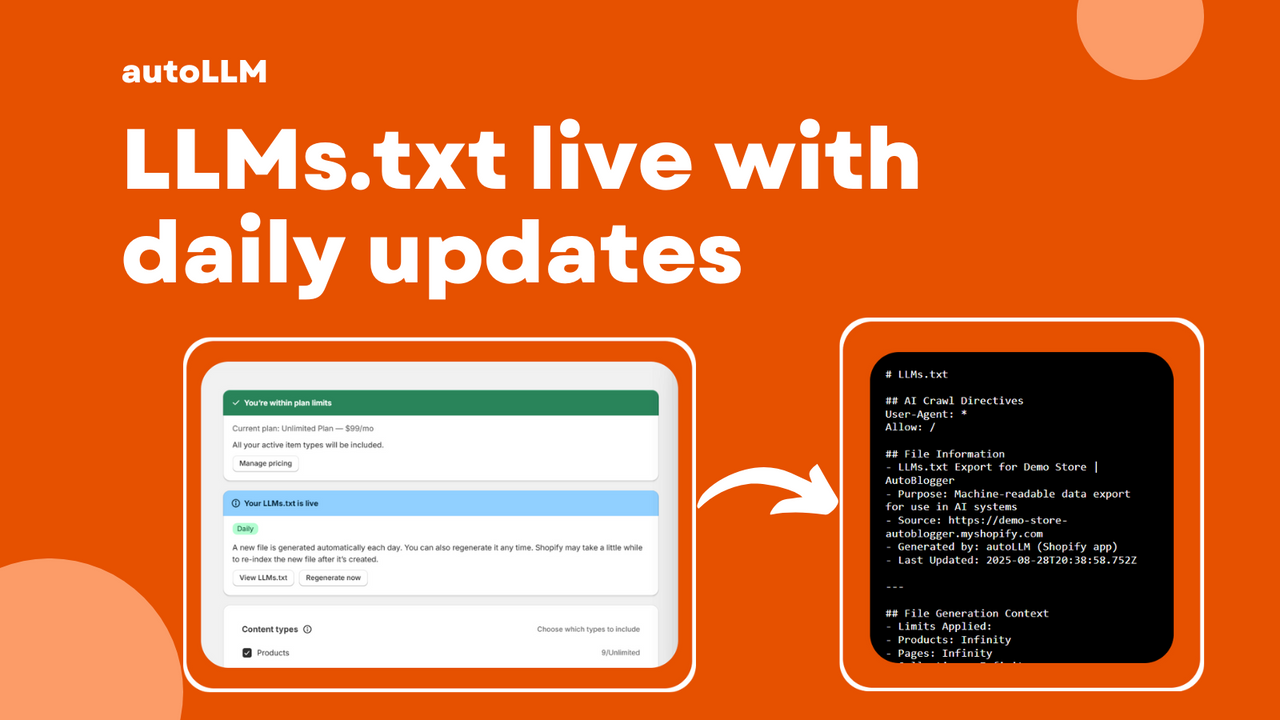
In the simplest terms, llms.txt is a file that informs AI tools about the structure and content of your online store. It allows these tools to index your content more effectively, which can enhance visibility and searchability. Think of it as a roadmap for AI crawlers, guiding them on what to look for and what to ignore.

For Shopify stores, having a properly configured llms.txt can lead to better indexing by AI, which can ultimately improve your SEO and help potential customers discover your products. When llms.txt is set up correctly, it can save you from the headaches of confusing signals that might hinder your site’s performance.

What to look for in an app for llms.txt

  • Automatic daily llms.txt generation and updates.
  • Easy management of content types to include or exclude.
  • Ability to block or allow specific AI crawlers with a single click.
  • Seamless handling of redirects as your store changes.

Common mistakes (blocking too much, confusing signals, stale outputs)

Setting up llms.txt isn’t as straightforward as it seems. Here are some common pitfalls that Shopify store owners often encounter:

  • Blocking too much: In an attempt to control what AI crawlers access, some store owners inadvertently block essential content, leading to decreased visibility.
  • Confusing signals: If your llms.txt file sends mixed messages, it can confuse AI tools. This may happen if the file is not aligned with your overall SEO strategy.
  • Stale outputs: Failing to update llms.txt regularly can result in outdated information, which can mislead crawlers and hurt your indexing.

How to set it up without breaking existing SEO

When setting up llms.txt, it’s crucial to ensure that your existing SEO practices remain intact. Here’s a step-by-step approach:

  • Review your current SEO strategy to understand which content is vital for indexing.
  • Create an initial llms.txt file that reflects your content structure.
  • Use an app like autoLLMs to automate updates and ensure accuracy.
  • Regularly monitor your llms.txt file to make adjustments as needed.

How to keep it maintained automatically

One of the best features of using an app like autoLLMs is its ability to automate the maintenance of your llms.txt file. Here’s how to keep it functioning smoothly:

  • Set up daily updates to ensure the file reflects any changes in your store’s content.
  • Regularly check the settings to manage which content types are included or excluded.
  • Use the app’s features to block or allow specific AI crawlers as your strategy evolves.

Setup checklist

  • Review and understand your current SEO strategy.
  • Create or integrate an llms.txt file using an automated tool.
  • Set parameters for content inclusion and exclusion.
  • Regularly review the file for accuracy and necessary updates.

Quick checklist to validate it’s working

After setting up your llms.txt file, it’s essential to ensure it’s working as intended. Here’s a quick checklist:

  • Check for any blocked content that should be accessible.
  • Ensure the file is updated daily.
  • Validate that AI crawlers can access the intended content.
  • Monitor your store’s SEO performance to see if there are improvements.

FAQ

What is llms.txt?

llms.txt is a file that guides AI tools on how to index and discover content on your Shopify store.

Why is llms.txt important for my Shopify store?

It helps AI tools understand your content structure, which can improve visibility and searchability.

Can I manually update llms.txt?

Yes, but using an automated tool like autoLLMs can save you time and ensure accuracy.

What common mistakes should I avoid with llms.txt?

Avoid blocking too much content, sending confusing signals, and failing to update the file regularly.

How often should I check my llms.txt file?

It’s recommended to review it regularly, especially after making changes to your store’s content.

Can autoLLMs help with SEO?

Yes, by ensuring your llms.txt is properly configured, it can contribute to better indexing and improved SEO outcomes.

Is there a cost associated with using autoLLMs?

The pricing details for autoLLMs can be found on their Shopify app page.

In conclusion, managing llms.txt on Shopify may seem daunting, but with the right approach and tools like autoLLMs, it can be a breeze. Keep your store future-ready and let AI tools work their magic!

Want to try it? Take a look at autoLLMs on the Shopify App Store.

autoLLMs


Labels:

Thursday, March 19, 2026

Discover the Delights of Kippenpakket: Your Go-To Online Shop

If you’re on the lookout for high-quality, ethically sourced products, then Kippenpakket is a hidden gem waiting for you to explore. This charming online shop has a wonderful assortment of goodies that appeal to the senses, each crafted with care and a commitment to sustainability. Let’s take a stroll through what makes Kippenpakket truly special.

Fresh and Flavorful Offerings

At Kippenpakket, freshness is the cornerstone of everything they do. The selection showcases a delightful variety of products, from mouthwatering meats to artisanal treats. Imagine savoring juicy chicken that’s been raised with care, ensuring not just great taste but also a positive impact on our planet.

One of their standout offerings is their succulent chicken, which is tender and full of flavor. Perfect for grilling, roasting, or sautéing, you can easily elevate your meals with this high-quality protein. Trust us; your dinner guests will be impressed!

Artisan Treats That Delight

But it doesn’t stop at meat. Kippenpakket also features a selection of artisan products that are perfect for snacking or adding a gourmet touch to your meals. From zesty sauces to unique seasonings, each item is thoughtfully curated to bring flavor and excitement to your table. Picture drizzling a rich sauce over your grilled chicken or sprinkling a fresh spice blend onto a salad; it’s all about those little enhancements that make meals memorable.

Commitment to Sustainability

Kippenpakket doesn’t just focus on products; they genuinely care about the environment and the communities they serve. Their sustainable practices reflect a strong commitment to ethical sourcing and reducing ecological footprints. This means that every time you shop here, you’re supporting a brand that values the earth and the well-being of its creatures.

From the farms they partner with to the eco-friendly packaging they use, every step is designed to respect nature and promote sustainability. This ethos resonates throughout their offerings and is something you can feel good about with every purchase.

Seasonal Picks to Enjoy All Year Round

If you love to celebrate the changing seasons with food, Kippenpakket offers seasonal picks that embody the essence of each time of year. Whether it’s special holiday products or summer grilling essentials, you’ll find something unique that speaks to the spirit of the moment.

Remember to check in regularly so you don’t miss out on limited-time offerings that can elevate your celebrations. These seasonal delights are perfect for cozy gatherings or casual family dinners.

A Story of Passion and Community

Every great shop has a story, and Kippenpakket is no different. Born from a love for good food and a desire to connect consumers with quality producers, their journey is rooted in the belief that everyone deserves access to exceptional ingredients. This passion ripples through the community they’ve built, which values quality, care, and a shared love for food.

By choosing Kippenpakket, you’re not just shopping; you’re becoming part of a community that celebrates the flavors of life, supports responsible farming, and values authentic, delicious food.

Join the Kippenpakket Family

Whether you’re a seasoned chef or simply someone who loves to enjoy good food, Kippenpakket has something special for everyone. From their carefully sourced products to their commitment to sustainability, every visit to their shop is a chance to discover new flavors and make delicious memories.

So, why wait? Dive into a world of taste and quality, and explore what Kippenpakket has to offer. Visit https://shop.kippenpakket.nl and let your culinary adventure begin!

What are you waiting for? Check them out now!

Disclaimer: The information presented in this blog post is based on publicly available data from https://shop.kippenpakket.nl. Accuracy is not guaranteed — please verify before making decisions.


Labels:

Wednesday, March 18, 2026

How to set up low stock alerts on Shopify (step-by-step): autoStockist

autoStockist

If you are running a Shopify store, keeping track of your inventory is crucial. One of the most important aspects of managing your stock is setting up low stock alerts. This article will guide you through the process of setting up low stock alerts using autoStockist. Whether you are a small business owner or a seasoned ecommerce entrepreneur, this step-by-step guide will help you avoid stockouts and improve your sales efficiency.

  • Learn the importance of low stock alerts.
  • Understand what to look for in an app.
  • Get a simple setup checklist.
  • Discover common pitfalls to avoid.

Why low stock alerts matter (and the hidden cost of stockouts)

Low stock alerts are essential for any ecommerce business. When products run out of stock, you not only lose potential sales but also risk disappointing customers. Stockouts can lead to lost trust and customers turning to competitors. Additionally, the hidden costs of stockouts include:

  • Lost revenue opportunities.
  • Increased operational costs due to last-minute restocking.
  • Negative impact on brand reputation.

By implementing low stock alerts, you can stay ahead of potential stock issues and maintain a smooth shopping experience for your customers.

What to look for in an app for low stock alerts

  • Instant alerts when products become low or out of stock.
  • A simple dashboard showing all low and out-of-stock items.
  • Daily and weekly email digests summarising stock that needs attention.
  • Predictive restock suggestions based on recent activity.
  • Estimated dates for when products are likely to run out.
  • Time-saving features that remove the need for constant manual checks.
  • Tools to help teams stay aligned with clear inventory digests.

A simple alert strategy (instant vs daily digest)

When it comes to setting up low stock alerts, you have a choice between instant notifications and daily digests. Instant alerts provide immediate feedback when stock levels dip, which is great for fast-moving products. On the other hand, daily digests allow you to review stock levels comprehensively without constant interruptions throughout the day.

Consider your business needs and choose a strategy that aligns with your operational workflow. Using both methods can also be beneficial, providing immediate alerts for critical items while summarising less urgent stock issues in a daily email.

Common pitfalls

Setting up low stock alerts can be straightforward, but there are common pitfalls to avoid:

  • Ignoring the importance of setting accurate thresholds for alerts.
  • Overloading your team with too many notifications.
  • Failing to integrate alerts into team workflows.
  • Neglecting to regularly review and adjust alert settings as your business grows.

By being mindful of these pitfalls, you can ensure a smoother inventory management process.

How to keep inventory ops clean as you scale

As your business grows, keeping your inventory operations clean becomes increasingly important. Here are some tips to help you maintain a streamlined process:

  • Regularly audit your stock levels and adjust your alert thresholds accordingly.
  • Use tools like autoBlogger to automate updates on product descriptions and stock levels.
  • Train your team on how to respond to alerts effectively.
  • Leverage predictive analytics to forecast stock needs better.

Setup checklist

  • Install autoStockist from the Shopify App Store.
  • Configure your alert thresholds based on product categories.
  • Set up your notification preferences (instant or daily digest).
  • Review your dashboard to familiarize yourself with low stock items.
  • Test the alert system with a few products to ensure it works as expected.
  • Regularly check and adjust your settings as inventory changes.

FAQ

What are low stock alerts?

Low stock alerts are notifications that inform you when your inventory levels for specific products are running low or have run out.

How does autoStockist work?

autoStockist tracks your inventory levels and sends alerts based on your configured thresholds, helping you maintain optimal stock levels.

Can I customize the alert settings?

Yes, you can customize the alert thresholds and choose between instant notifications and daily summaries based on your preferences.

What happens if I ignore low stock alerts?

Ignoring low stock alerts can lead to stockouts, resulting in missed sales opportunities and potential customer dissatisfaction.

Is autoStockist easy to set up?

Yes, autoStockist is designed for ease of use, with a straightforward setup process that allows you to get started quickly.

Can I integrate autoStockist with other apps?

autoStockist can be integrated with various other apps to enhance your inventory management capabilities.

What should I do if I receive too many alerts?

You may need to adjust your alert thresholds or review your inventory management practices to reduce noise and improve efficiency.

In conclusion, setting up low stock alerts on Shopify using autoStockist is a simple yet effective way to keep your inventory in check. By following the steps outlined in this article, you can avoid stockouts and maintain a smooth shopping experience for your customers. Happy selling!

Want to try it? Take a look at autoStockist on the Shopify App Store.

autoStockist


Labels:

Tuesday, March 17, 2026

Unlocking Loyalty: Mastering Personalization for Unforgettable Customer Experiences

woman in orange sleeveless dress sitting on concrete floor
Photo by The AW Creative Digital Marketing on Unsplash

Creating an Exceptional Customer Experience through Personalization Techniques

In today’s hyper-connected world, customers are not just looking for products; they crave experiences that resonate with their individual preferences and needs. Personalization has emerged as a powerful tool for businesses to enhance customer experiences, leading to greater satisfaction and loyalty. But how do you create an exceptional customer experience through personalization techniques? Buckle up, because we’re about to dive into the world of tailored interactions!

The Importance of Personalization

Imagine walking into a café where the barista greets you by name and remembers your usual order. Feels good, right? That’s the magic of personalization! It makes customers feel valued and understood, which can significantly improve their experience. Here are a few reasons why personalization is crucial:

  • Increased Customer Loyalty: When customers feel special, they are more likely to return to your business.
  • Higher Conversion Rates: Personalized recommendations can lead to higher sales, as customers are more inclined to purchase items that resonate with them.
  • Better Engagement: Tailored content encourages customers to interact with your brand more frequently.

Techniques for Personalization

Now that we understand the importance of personalization, let’s explore some effective techniques you can implement to create an exceptional customer experience:

1. Data-Driven Insights

To personalize effectively, you need to know your customers inside and out — without creeping them out, of course. Collect data through various channels such as:

  • Website analytics
  • Email marketing campaigns
  • Social media interactions
  • Customer feedback surveys

By analyzing this data, you can identify patterns and preferences that help tailor your offerings. Remember, with great data comes great responsibility — use it wisely!

2. Segmentation

Not all customers are created equal, and that’s a good thing! Segmenting your audience based on demographics, behaviors, and preferences allows you to target specific groups with tailored messages. For example:

  • Age: Younger audiences might prefer trendy products, while older customers might lean towards classic styles.
  • Purchase History: If a customer frequently buys athletic gear, send them personalized offers on new sportswear.

This way, you can create more relevant content that resonates with each segment, making your marketing efforts more effective.

3. Personalized Recommendations

Ever scrolled through an online store and been greeted by “Customers who bought this also bought…”? That’s the magic of personalized recommendations! By leveraging customer data, you can suggest products that align with their previous purchases or browsing history. It’s like having a personal shopping assistant, minus the judgmental looks when you add that third pair of shoes to your cart.

4. Customized Content

From emails to social media posts, customized content can significantly enhance the customer experience. Here’s how:

  • Email Marketing: Use the recipient’s name and tailor the content based on their preferences. A personalized email can increase open rates by a staggering 26%!
  • Social Media: Engage with customers individually by responding to their comments and messages. Show them you care!

Remember, people love seeing their names in print — especially when it’s not on a bill!

5. Utilize Technology

In the age of technology, leveraging tools and apps can make personalization a breeze. For instance, the Shopify app autoBlogger helps you create personalized content effortlessly. With its automated features, you can generate blog posts that resonate with your audience, keeping them engaged and coming back for more!

Creating a Seamless Omnichannel Experience

Personalization doesn’t stop at tailoring content and recommendations. It’s about creating a seamless experience across all channels, whether online or offline. Here are a few tips to achieve omnichannel success:

  • Consistent Branding: Ensure your brand voice and visuals are consistent across all platforms. This builds recognition and trust.
  • Integrate Customer Data: Use a single customer view across all channels to ensure personalized experiences regardless of where they interact with your brand.
  • Responsive Design: Make sure your website is mobile-friendly and easy to navigate, as customers may switch between devices.

Feedback and Continuous Improvement

Creating an exceptional customer experience is an ongoing journey. Regularly seek feedback through surveys or social media to understand how customers feel about their experiences. This valuable information can guide your personalization strategies and help you refine your approach.

Don’t be afraid to experiment! Personalization is not a one-size-fits-all strategy. Test different techniques and analyze the results to determine what resonates best with your audience. And if something flops, just laugh it off and try again — after all, nobody’s perfect!

Conclusion

In a world where customers have endless choices, personalization is no longer optional; it’s essential. By leveraging data, segmentation, personalized recommendations, customized content, and technology, you can create exceptional customer experiences that foster loyalty and drive sales. So, put on your personalization hat, roll up your sleeves, and start creating those memorable experiences!

And don’t forget, if you want to take your content game to the next level, check out the Shopify app autoBlogger for automated blogging that keeps your audience engaged and coming back for more!

Note, this article was written with AI assistance to improve readability and give you, the reader, a better experience! :)


Labels:

Monday, March 16, 2026

Explore Exceptional Audio Gear at Pro Audio Clinic

store image

Your Go-To Destination for Premium Sound

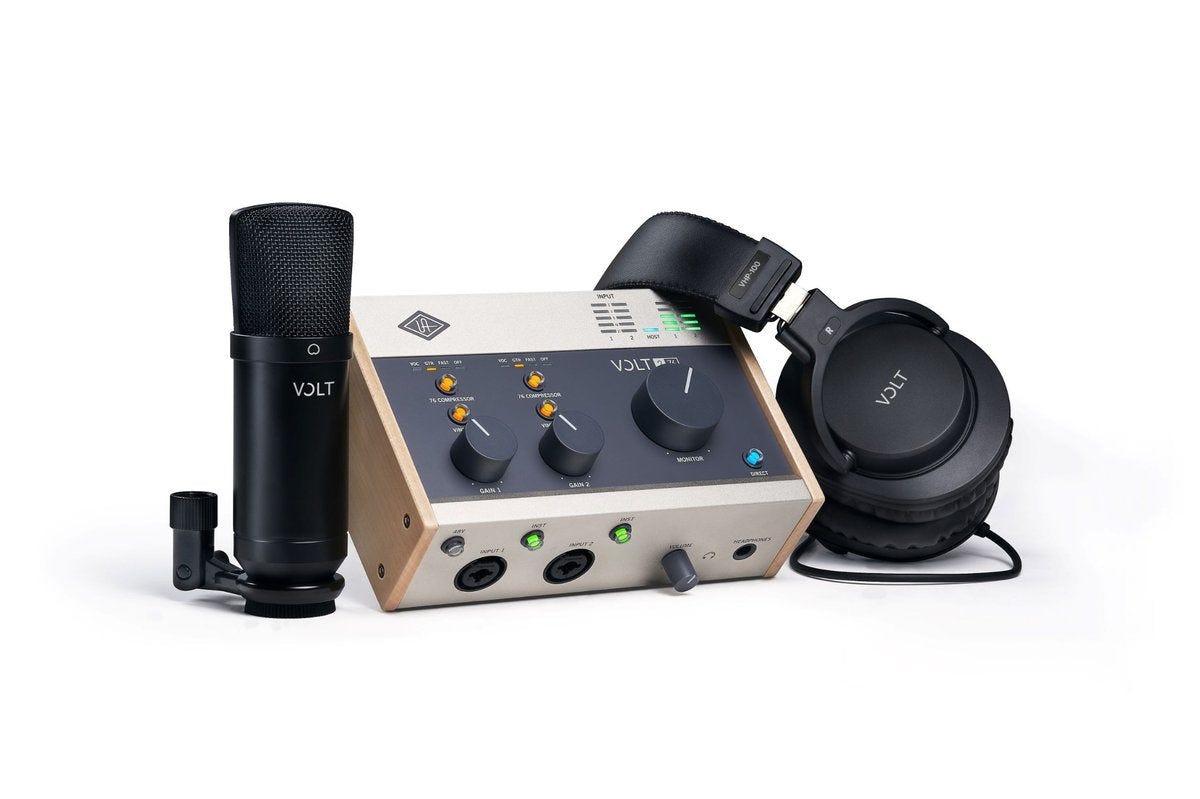
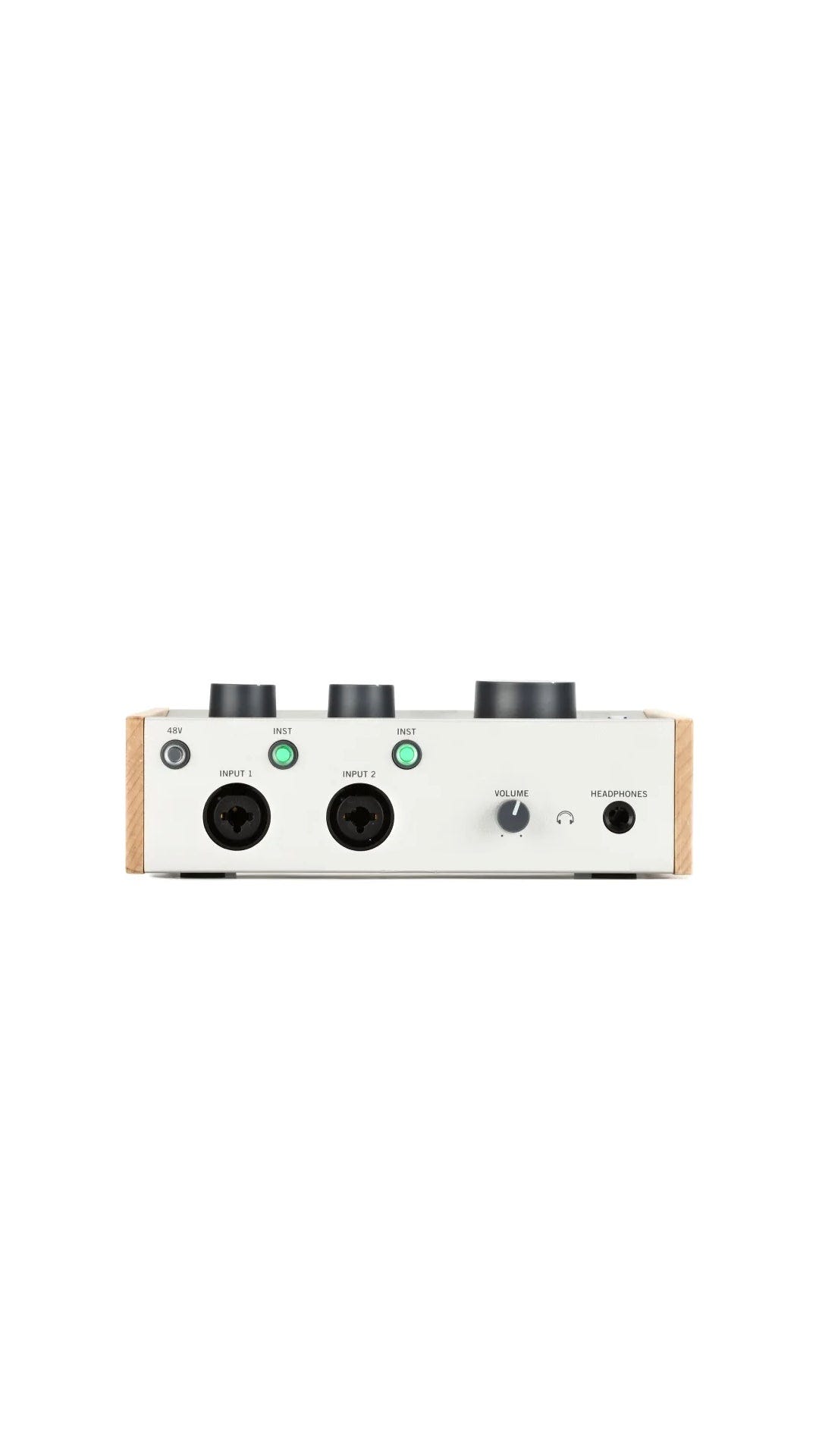
Welcome to Pro Audio Clinic, where quality audio gear and a passion for sound come together. Whether you’re a budding musician, an experienced producer, or simply someone who appreciates pristine audio, there’s something here for everyone. Their collection offers everything from state-of-the-art recording equipment to essential accessories, all aimed at enhancing your sound experience.

Featured Favorites You’ll Love

At Pro Audio Clinic, you’ll find standout products that truly elevate your audio game. Here are a few gems you won’t want to miss:

Trending Right Now

As audio technology evolves, so do the products that make your auditory dreams come true. Check out these current favorites:

Quality Accessories to Enhance Your Setup

Sometimes, it’s the little things that make the biggest difference. Pro Audio Clinic offers a fantastic assortment of accessories to round out your audio setup:

Why Choose Pro Audio Clinic?

Pro Audio Clinic values quality, accessibility, and a love for sound. They cater to everyone — from musicians to educators — ensuring that everyone has access to the best tools for their audio journeys. If you can’t find exactly what you need, just reach out. They have access to countless products and can help you track down exactly what you’re looking for. With a commitment to fast and friendly service, you can count on Pro Audio Clinic to be there every step of the way. They even have a buy-back program for those looking to trade in their equipment, making gear upgrades smooth and hassle-free.

Community and Support

Community matters at Pro Audio Clinic. They’re dedicated not only to providing top-notch gear but also to supporting you in your audio ventures. Whether it’s answering your questions about gear or providing tips for your next project, their team is ready to help you succeed.

Join the Sound Revolution

Are you ready to take your sound to the next level? It’s time to dive into the incredible offerings at Pro Audio Clinic. Explore their extensive collection of audio interfaces, mixing consoles, microphones, and so much more. Visit them at https://proaudioclinic.com and discover the gear that will empower your passion for music and sound!

What are you waiting for? Check them out now!

store image 2

Disclaimer: The information presented in this blog post is based on publicly available data from https://proaudioclinic.com. Accuracy is not guaranteed — please verify before making decisions.


Labels:

Sunday, March 15, 2026

How to improve llms.txt on Shopify without dev work: autoLLMs

autoLLMs

If you are running a Shopify store and looking to enhance your llms.txt file without diving into developer work, you’ve landed in the right spot. This article is for Shopify store owners and marketers who want to ensure that their content is easily discoverable by AI tools. With the rise of AI indexing, having a well-maintained llms.txt file is essential for optimizing your store’s visibility and ensuring that your content is indexed correctly.

  • Understand the significance of llms.txt for AI indexing.
  • Learn how to set it up without affecting your existing SEO.
  • Discover common mistakes to avoid.
  • Find out how autoLLMs can simplify the process.

What llms.txt means for a Shopify store

So, what exactly is llms.txt? In plain English, it is a file that helps AI tools understand what content on your Shopify store should be indexed and what should be ignored. Think of it as a map for AI crawlers, guiding them to the most relevant content while avoiding unnecessary pages. This is particularly important as AI tools become more prevalent in content discovery and indexing.

Having a well-structured llms.txt file can significantly enhance how your store is perceived by search engines and AI applications. It ensures that your products, blog posts, and other essential content are easily accessible, improving your chances of being discovered by potential customers.

What to look for in an app for llms.txt

  • Automatic daily LLMs.txt generation and updates.
  • Easy management of content types to include or exclude.
  • Redirects handled seamlessly as your store evolves.
  • One-click options to block or allow specific AI crawlers.

How to set it up without breaking existing SEO

Setting up your llms.txt file without impacting your existing SEO can seem daunting, but it doesn’t have to be. Here’s a simple step-by-step approach:

  1. Choose the right app: Using an app like autoLLMs ensures that you automatically generate and maintain your llms.txt file without manual intervention.
  2. Define your content: Decide which types of content you want to include or exclude from indexing. This step is crucial for guiding AI tools effectively.
  3. Set redirect rules: Ensure that the app handles redirects for any content that changes, preventing broken links and preserving your SEO ranking.
  4. Test the setup: Use tools to test if your llms.txt file is functioning correctly. Make sure that AI crawlers can access the right content.

Common mistakes

Even with the best intentions, mistakes can happen. Here are some common pitfalls to avoid:

  • Blocking too much: It can be tempting to block various content types, but this can lead to missed opportunities. Ensure you are only excluding what is necessary.
  • Confusing signals: If your llms.txt file sends mixed messages, AI crawlers may not index your content correctly. Be clear and precise about what you want indexed.
  • Stale outputs: An outdated llms.txt file can hinder your SEO efforts. Regular updates are essential to keep it relevant.

How to keep it maintained automatically

Once you’ve set up your llms.txt file, the next step is maintenance. The beauty of using an app like autoLLMs is that it automates this process for you. Here’s how it works:

  • Daily updates: The app generates and updates your llms.txt file automatically, ensuring it reflects any changes made to your store.
  • Real-time monitoring: It tracks which content is being indexed and makes adjustments as needed, keeping your SEO strategy aligned with best practices.
  • Customizable settings: You can easily adjust what content gets indexed or blocked based on your evolving business needs.

Quick checklist to validate it’s working

Setup checklist

  • Ensure the app is installed and configured correctly.
  • Review which content types are included in your llms.txt file.
  • Test the file with AI crawlers to see if they are indexing the right content.
  • Check for any broken links and ensure redirects are functioning.

FAQ

What happens if I don’t have a llms.txt file?

Without a llms.txt file, AI crawlers may struggle to index your content correctly, potentially leading to lower visibility in search results.

Can I manually edit my llms.txt file?

While it is possible to manually edit your llms.txt file, using an app like autoLLMs automates the process and reduces the risk of errors.

What types of content should I include?

Include product pages, blog posts, and other essential content that you want AI tools to discover. Exclude pages like thank you pages or account details.

How frequently should I update my llms.txt file?

With an app like autoLLMs, your llms.txt file is updated daily, ensuring it reflects any changes in your store.

Can I block specific AI crawlers?

Yes, autoLLMs allows you to easily block or allow specific AI crawlers with just one click.

Is using autoLLMs complicated?

No, autoLLMs is designed for ease of use, making it simple to set up and maintain your llms.txt file without needing technical expertise.

How does this impact my SEO?

A well-maintained llms.txt file can enhance your SEO by ensuring that your valuable content is indexed correctly, improving your store’s visibility.

In conclusion, managing your llms.txt file is crucial for staying ahead in the evolving landscape of AI indexing. By utilizing tools like autoLLMs, you can automate the process and ensure your Shopify store remains future-ready. Happy selling!

Want to try it? Take a look at autoLLMs on the Shopify App Store.

autoLLMs


Labels:

Wednesday, March 11, 2026

Best free Shopify app for free shipping bar: is autoShipBar enough?

autoShipBar

If you’re searching for a free shipping bar on Shopify, you’re likely looking to boost your store’s conversion rates and encourage customers to add more items to their carts. A well-implemented free shipping bar can be a powerful tool in your ecommerce arsenal. In this article, we’ll explore why free shipping bars work, what to look for in a solution, and how autoShipBar can fit into your strategy. Whether you’re a seasoned store owner or a newbie just starting out, this guide is for you.

  • Discover why free shipping bars are effective
  • Learn what features to consider in a free shipping app
  • Get tips on copywriting for your shipping bar
  • Find common mistakes to avoid

Why free shipping bar works (and where it doesn’t)

Free shipping bars tap into the psychology of customers, creating a sense of urgency and encouraging them to increase their cart value. When shoppers see how close they are to free shipping, they are more likely to add extra items to their carts to reach that threshold. This tactic can significantly reduce cart abandonment rates.

However, free shipping bars can backfire if not implemented correctly. If the threshold is too high, customers may feel discouraged rather than motivated. Additionally, if the bar is too intrusive or poorly designed, it can annoy customers and drive them away. Balance is key.

What to look for in an app for free shipping bar

  • Easy installation and integration with your existing Shopify theme
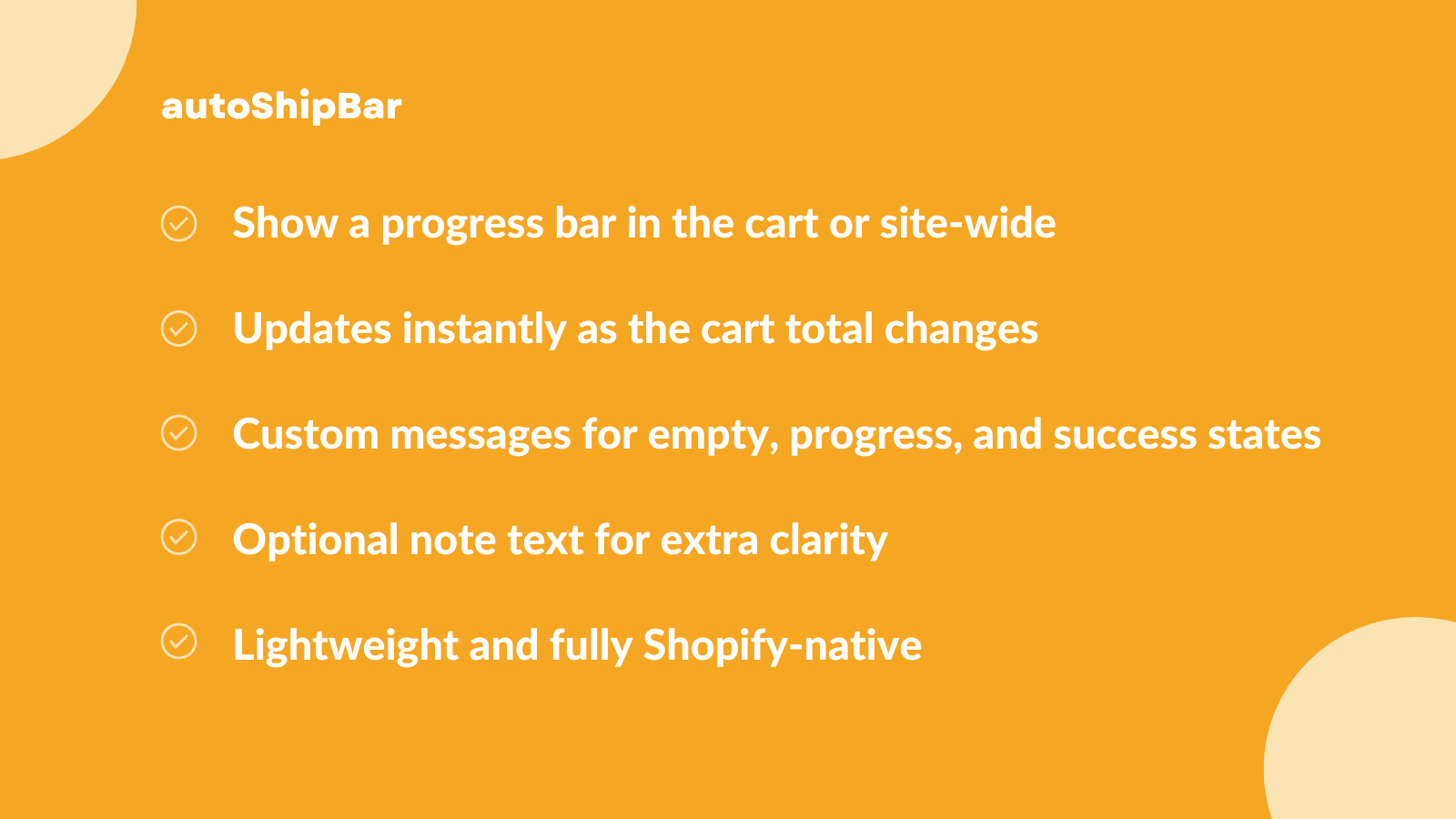
  • Real-time updates as cart totals change
  • Customizable messages for different states (empty, progress, success)
  • Responsive design for mobile and desktop users

A simple setup that matches your cart (drawer vs page)

When setting up your free shipping bar, consider how it will fit into your store’s design. If you have a drawer cart, ensure the bar is visible and functions well within that context. On the other hand, if you use a full-page cart, the bar should complement that layout without overwhelming the customer.

autoShipBar excels in this area, offering a seamless integration that adapts to both types of cart setups. This means you can provide a consistent experience for your customers, no matter how they choose to shop.

Copywriting tips for the bar (empty, progress, success states)

The messaging on your shipping bar is crucial. Here are some tips to make it effective:

  • Empty state: Use a friendly tone to inform customers about the free shipping threshold. For example, “Add just $X more to unlock free shipping!”
  • Progress state: Keep the momentum going with encouraging messages like “You’re only $Y away from free shipping!”
  • Success state: Celebrate the achievement! Use phrases like “Congratulations! You’ve unlocked free shipping!”

These messages should be clear, concise, and align with your brand voice. A little humor can also go a long way in making the experience more enjoyable.

Common mistakes (annoying placement, wrong thresholds, mobile clutter)

Even with the best of intentions, it’s easy to make mistakes when setting up your free shipping bar. Here are some common pitfalls to avoid:

  • Placement: Avoid placing the bar in a location that obscures important content or disrupts the shopping experience.
  • Threshold: Setting the threshold too high can deter customers. Ensure it’s reasonable based on your average order value.
  • Mobile clutter: Keep the bar simple and unobtrusive on mobile devices. A cluttered mobile experience can frustrate users.

Setup checklist

  • Confirm app installation and integration with your Shopify theme.
  • Customize messages for empty, progress, and success states.
  • Test real-time updates to ensure they reflect cart changes accurately.
  • Check responsiveness on both mobile and desktop.
  • Gather feedback from a small group of users before a full launch.

FAQ

What is a free shipping bar?

A free shipping bar is a visual indicator on an ecommerce site that shows customers how much more they need to spend to qualify for free shipping.

How does autoShipBar work?

autoShipBar adds a free shipping progress bar to your cart or storefront, showing real-time updates as customers add items to their carts.

Is autoShipBar really free?

Yes, autoShipBar is completely free, making it an accessible option for store owners looking to increase their average order value.

Can I customize the messages on my free shipping bar?

Absolutely! autoShipBar allows you to customize the messages displayed for empty, progress, and success states to match your brand voice.

Will the free shipping bar work on mobile devices?

Yes, autoShipBar is designed to be responsive, ensuring a seamless experience for customers on both desktop and mobile devices.

What are the benefits of using a free shipping bar?

A free shipping bar can increase customer engagement, reduce cart abandonment, and encourage larger purchases by creating a sense of urgency.

How do I get started with autoShipBar?

You can easily install autoShipBar from the Shopify App Store and follow the setup instructions to start encouraging your customers to reach that free shipping threshold.

In conclusion, a free shipping bar can be an effective tool for boosting sales and enhancing the customer experience. With features like real-time updates and customizable messages, autoShipBar offers a simple yet powerful solution for Shopify store owners. Just remember to avoid common pitfalls and keep your messaging clear and engaging. Happy selling!

Want to try it? Take a look at autoShipBar on the Shopify App Store.

autoShipBar


Labels:

Tuesday, March 10, 2026

Unlocking E-Commerce Success: The Game-Changing Impact of User-Generated Content

multicolored marketing freestanding letter
Photo by Merakist on Unsplash

The Power of User-Generated Content in E-Commerce

In the ever-evolving landscape of e-commerce, where the competition is fiercer than a catfight over a sunny windowsill, businesses are constantly seeking innovative ways to boost conversion rates. One such strategy that has proven to be a game-changer is user-generated content (UGC). You know, that delightful collection of reviews, photos, videos, and social media posts that come from actual customers rather than the marketing team. Let’s dive into how UGC can elevate your e-commerce game and skyrocket those conversion rates!

What is User-Generated Content?

Before we dive headfirst into the benefits of UGC, let’s clarify what it entails. User-generated content is any content related to your brand that is created by your customers rather than by the brand itself. This can include:

  • Reviews: Written testimonials from satisfied (or not-so-satisfied) customers.
  • Photos: Customers showcasing your products in their natural habitat (hopefully not the bathroom).
  • Videos: Unboxing experiences, tutorials, or just pure excitement about your product.
  • Social Media Posts: Posts, stories, or tweets tagging your brand as they flaunt their new purchases.

UGC is like the cherry on top of your e-commerce sundae — it’s the extra touch that can make all the difference in enticing potential buyers to hit that “Add to Cart” button.

Why UGC is Critical for Conversion Rates

Now that we have a grasp on what UGC is, let’s discuss why it’s so essential for increasing conversion rates.

1. Builds Trust and Credibility

In a world rife with scams and deceptive marketing, customers are naturally skeptical. They want to know that they’re not just throwing their hard-earned cash into a black hole. When they see real customers praising your product, it builds trust and credibility. It’s like getting a recommendation from a friend; suddenly, that product becomes a lot more appealing. After all, would you rather trust a flashy ad or the enthusiastic review from someone who has actually used the product? Exactly.

2. Enhances Engagement

People love to share their experiences — especially when it comes to shopping (just ask any Instagram influencer). By encouraging your customers to create and share content, you’re not only increasing engagement but also fostering a community around your brand. When customers feel connected, they’re more likely to return and make another purchase. UGC can act as a conversation starter, creating a buzz that traditional marketing methods simply can’t achieve.

3. Provides Social Proof

Social proof is a psychological phenomenon where people tend to rely on the actions and opinions of others to guide their own behavior. When potential customers see a flurry of positive reviews or user-generated content showcasing your products, they’re more likely to think, “If everyone else loves it, I will too!” It’s like the digital equivalent of a crowded restaurant — if it’s packed with diners, it must be good!

4. Improves SEO

User-generated content can also have a positive impact on your search engine optimization (SEO). When customers leave reviews or share photos using your products, they are adding fresh content to your website. This not only keeps your site dynamic but also helps you rank higher in search results. Plus, search engines love authenticity, and UGC is one of the most authentic forms of content you can have. It’s a win-win situation!

How to Encourage User-Generated Content

Alright, so you’re convinced that UGC is essential for your e-commerce strategy. Now, how do you get your customers to start creating this content? Here are some tried-and-true methods:

  • Run Contests and Giveaways: Everyone loves a chance to win something. Create a contest where customers share their photos or reviews of your product for a chance to win a prize. You’ll be amazed at the creativity that flows when there’s a reward involved!
  • Incentivize Reviews: Offer discounts or loyalty points for customers who leave detailed reviews. Just be sure to encourage honesty; you want genuine feedback, not a sea of fake five-star reviews.
  • Create a Unique Hashtag: Encourage customers to use a specific hashtag when posting about your brand on social media. This not only makes it easier for you to find their content but also fosters community among your customers.
  • Feature UGC on Your Website: Create a dedicated section on your site that showcases user-generated content. Seeing their content featured can motivate others to contribute!

Leveraging User-Generated Content Effectively

So, you’ve got a treasure trove of UGC, but how do you utilize it effectively? Here are some tips:

1. Display UGC on Product Pages

Showcase customer photos and reviews right on your product pages. This adds authenticity and makes it easier for potential buyers to envision themselves using your product.

2. Utilize Social Media

Share user-generated content on your social media channels. It not only provides you with fresh content but also gives your customers a sense of pride when they see their posts shared by your brand.

3. Incorporate UGC in Email Campaigns

When sending out newsletters or promotional emails, include snippets of user-generated content. This not only adds a personal touch but also encourages other customers to engage with your brand.

4. Use UGC in Ads

Incorporating authentic user-generated content into your ad campaigns can increase click-through rates. Instead of traditional product shots, use photos or videos from real customers to showcase your products in action.

The Future of User-Generated Content

As we move deeper into the digital age, the importance of user-generated content in e-commerce will only continue to grow. Brands that embrace UGC will likely have a competitive edge over those that don’t. It’s not just a trend; it’s a fundamental shift in how consumers interact with brands. And with the rise of platforms and apps like autoBlogger, integrating and utilizing UGC has never been easier.

In conclusion, user-generated content is not just a fancy term tossed around in marketing meetings; it’s a powerful tool that can significantly impact your e-commerce conversion rates. By leveraging the creativity and experiences of your customers, you can build trust, enhance engagement, and ultimately drive sales. So, get out there and start encouraging your customers to share their experiences — you never know what delightful content they might create!

Note, this article was written with AI assistance to improve readability and give you, the reader, a better experience! :)


Labels:

Monday, March 9, 2026

Discover Pet Joy at NoKa & AuroraStone

store image

If you’re a pet parent, you know that every little detail matters when it comes to keeping your fur babies happy and healthy. At NoKa & AuroraStone, the focus is on crafting premium pet accessories that elevate your pet’s everyday life. From beautifully designed ceramic bowls to engaging toys that entertain and stimulate, this online shop is a treasure trove for pet lovers.

Stylish and Functional Bowls

Feeding your pets doesn’t have to be just a chore; with NoKa & AuroraStone’s selection of elegant bowls, it can be an enjoyable experience for both you and your pet. Take the 6-Inch Ceramic Elevated Tilted Pet Bowl, which combines functionality with a charming design, making mealtimes all the more delightful. The elevated design is perfect for their comfort, ensuring better digestion and a stylish dining experience.

If you’re looking for more versatile options, the 6-Inch Ceramic Pet Plate comes in handy for both dry and wet food and is great for pets of all sizes. Making feeding easier has never looked so good!

Interactive and Engaging Toys

Keeping your pets entertained is key to their well-being, and what better way than with some captivating toys? The Leather Tassel Cat Teaser Wand with Bell offers hours of interactive fun, encouraging playful activity while also being easy on the eyes. Your feline friend will be pouncing with joy!

For dogs, the Grass-Style Snuffle Mat brings an enriching challenge that mimics foraging. It promotes mental stimulation while allowing for controlled treat-hiding fun. Plus, the adjustable difficulty means you can keep it fresh!

Comfort for All Seasons

As seasons change, so do your pets’ needs. When it’s time to get cozy, the Thickened Warm Pet Sleeping Bag Bed provides a perfect nook for your cat or small dog to curl up in warmth and comfort. It’s like a little hug waiting for them after a long day of play!

And for those chilly winter outings, the Winter Warm Pet Cape is both stylish and practical, keeping your beloved companion snug against biting winds. Whether they’re exploring the wilds of the local park or just heading out for bathroom breaks, they’ll look adorable while staying warm!

Pet Care Essentials

NoKa & AuroraStone also cares about your pet’s health. From comfortable collars to supportive recovery aids, the selection of care products is thoughtfully curated. The Adjustable Inflatable E-Collar provides your pet with comfort during recovery from surgery, allowing them to heal while still being able to move and scratch their ears.

Why Choose NoKa & AuroraStone?

  • High-quality materials that are both durable and safe for pets.
  • An eye for design that ensures pet accessories fit beautifully into your home.
  • A commitment to sustainability, providing products that give back to the planet.

NoKa & AuroraStone isn’t just about filling your cart; it’s about enhancing the joy that your pets bring to your life. With every product, you’re not just purchasing an item; you’re investing in happiness for both you and your furry companion.

Join the Pet-Loving Community

Ready to pamper your pet and discover the joy of quality pet products? Explore the delightful range of offerings at NoKa & AuroraStone. From elegant feeding solutions to engaging toys and comforting accessories, there’s something here for every beloved pet! Head over to https://nokaaurorastone.com and treat your furry friend today!

What are you waiting for? Check them out now!

store image 2

Disclaimer: The information presented in this blog post is based on publicly available data from https://nokaaurorastone.com. Accuracy is not guaranteed — please verify before making decisions.


Labels:

From MySpace to Social Media Business: Inspire To Thrive’s Journey

A mother watching her kids on MySpace social media as I had in the early 2000’s.

Back in the MySpace days, amid the early social landscape that included Friendster, you didn’t join MySpace social media to build a brand.

You joined the social networking service as a parent and wanted to keep an eye on your kids' online activity. You checked profiles, watched comments, and tried to spot red flags early.

That first step into MySpace Social Media, created by Tom Anderson and Chris DeWolfe, did something bigger, though. It taught you that every new network matters because people carry the same habits with them.

If you’ve ever wondered how a personal need can turn into a real business idea, you can copy this path without the hype.

The MySpace moment that changed how I saw the internet

I signed up with a simple goal: to understand the user-generated content your kids were seeing and sharing. MySpace made it easy to notice patterns. People engaged in profile customization, like:

  • Decorating bedrooms.
  • Posted moods like diary entries.
  • Messaged with a confidence they didn’t always have face-to-face.

Once I saw that, I stopped treating social sites as “just for fun.” I started watching how people behaved instead of guessing what they wanted.

When new platforms like Facebook appeared, I paid attention to the same signals: what people shared fast, what they deleted later, and what caused drama in public comments.

That’s a strong business skill, one that News Corporation, led by Rupert Murdoch, recognized in MySpace’s growth into a serious business entity. You get close to a real problem, then learn from repeat behavior.

I started with one goal, safety, and gained a market lesson

Protecting my family showed me a truth I could build on: people share what makes them look good, and hide what makes them feel exposed.

Privacy settings matter because emotions matter. Many solid businesses start the same way, from something you care about enough to keep showing up.

If you want a business idea that lasts, start with a problem you’d solve for free.

How Inspire To Thrive was formed from watching networks, trends, and people

Over time, I tested social networking site after social networking site. I didn’t wait for a viral moment. Instead, I learned in public, wrote what worked, and explained changes when networks shifted rules.

That habit became Inspire To Thrive. The brand grew because I stayed consistent and useful, tracking monthly visitors to measure network growth and influence.

The Inspire To Thrive website started in 2011 and became a full time business in 2017.

Early on, I helped people with simple, high-impact issues, like how to share links without killing reach, or how to respond when a platform changed what showed up in feeds due to Google search deals or site redesigns.

Each post became a small “save this for later” guide, shaping a monetization strategy in digital media.

Consistency beats noise, and teaching builds trust.

I turned my learning into content people could use right away

  • Platform how-tos that answered one question at a time
  • Algorithm updates in plain language, with what to do next
  • Engagement basics (comments, timing, and what to stop doing)

The parental apps pillar, and why it fits a social media business

Because my story began with kids online, parental apps became a natural pillar. I wasn’t trying to scare anyone. I focused on boundaries, better talks at home, and mobile applications that support your rules.

If you want a values-based niche, this approach works well: lead with privacy to protect against data breaches, support safety habits, and keep digital well-being part of the conversation in the online communities and interactive UI that children navigate.

You too can review tools honestly, explain what they do in simple terms, and remind parents that settings are only one piece of the puzzle.

Young digital marketer using tools for social media.

You can build a niche around safety, without fear-based marketing

Teach calmly, share checklists, and stay practical. Point out tradeoffs. Encourage parents to stay involved, because guidance beats spying.

What you can do now to turn your own story into a business

You don’t need a huge audience to start; you need a clear problem and steady output. Music artists found success on early social platforms, and savvy figures like Justin Timberlake helped revive them through Specific Media, which evolved into Viant Technology.

Try this simple plan:

  1. Pick one problem you know well (from work, home, or a hobby).
  2. Choose one platform, like YouTube, that you can post on consistently.
  3. Document what you learn for two weeks, then summarize it.
  4. Create one helpful offer (a checklist, mini consult, or template).
  5. Start basic email capture, even with one freebie, a practice Time Inc used to professionalize digital content.
  6. Track the questions people repeat, then write answers.

Conclusion

Your everyday reason for being online, much like moments in pop culture, can reach a global audience and become your business edge if you treat it like a lesson worth sharing.

View this shift as a smooth server migration from casual habits to a thriving online business. Write down one problem you want to solve, then outline one post you can publish today.

Keep it simple, stay consistent to build your monthly users, and let trust do the heavy lifting.


Labels:

Sunday, March 8, 2026

autoShipBar review: the Shopify app for free shipping bar

autoShipBar

If you’re a Shopify store owner looking to boost your sales, you’re probably aware of the benefits of offering free shipping. But how do you effectively communicate this to your customers? Enter the free shipping bar. This article reviews autoShipBar, a Shopify app designed to add a free shipping progress bar to your cart or storefront. This tool shows customers how close they are to qualifying for free shipping, encouraging them to add more items to their cart.

Whether you’re a small business just starting out or an established store looking to refine your strategy, understanding the ins and outs of a free shipping bar can make a significant difference in your revenue.

  • What is a free shipping bar and why it matters.
  • Key features of autoShipBar that enhance customer experience.
  • Common pitfalls to avoid when implementing a free shipping bar.
  • Practical tips for setup and copywriting.

Why free shipping bar works (and where it doesn’t)

Free shipping is like the holy grail of online shopping. Customers love it, and studies show that it can lead to increased cart sizes and higher conversion rates. A free shipping bar taps into this psychology by providing a visual representation of how close customers are to earning that coveted free shipping.

However, it’s not a one-size-fits-all solution. For example, if your shipping threshold is set too high, customers may feel discouraged rather than motivated. Similarly, if the bar is poorly designed or placed, it can become an annoyance rather than a helpful tool.

What to look for in an app for free shipping bar

  • User-friendly interface for easy customization.
  • Real-time updates as cart totals change.
  • Custom messages for different states (empty, progress, success).
  • Compatibility with your existing Shopify theme.

A simple setup that matches your cart (drawer vs page)

Setting up a free shipping bar should be straightforward. autoShipBar offers a simple installation process that allows you to choose between displaying the bar in your cart drawer or on the main page.

Consider your store’s layout: if your customers are likely to use a cart drawer, make sure the bar is visible there. If you have a more traditional layout, a page-based bar might be more effective. Test both options to see which one resonates better with your audience.

Copywriting tips for the bar (empty, progress, success states)

Your messaging can make or break the effectiveness of your free shipping bar. Here are some tips for crafting compelling copy:

  • Empty State: Use a friendly tone. For example, “Add items to your cart to unlock free shipping!”
  • Progress State: Create urgency. Try something like, “You’re just $20 away from free shipping!”
  • Success State: Celebrate the achievement. A simple “Congratulations, you qualify for free shipping!” can go a long way.

Common mistakes (annoying placement, wrong thresholds, mobile clutter)

Even the best tools can fall flat if not used correctly. Here are some common mistakes to avoid when implementing your free shipping bar:

  • Annoying Placement: Ensure the bar is visible but not intrusive. It shouldn’t cover important information.
  • Wrong Thresholds: Setting your free shipping threshold too high can deter customers. Find a balance that works for your average order value.
  • Mobile Clutter: Make sure the bar is optimized for mobile. It should not clutter the screen or distract from the shopping experience.

Setup checklist

  • Install autoShipBar and link it to your Shopify store.
  • Choose the placement of your free shipping bar (drawer or page).
  • Set your free shipping threshold based on your average cart value.
  • Craft compelling copy for empty, progress, and success states.
  • Test on both desktop and mobile to ensure visibility and functionality.
  • Gather feedback from customers after launch to make adjustments.

FAQ

What is autoShipBar?

autoShipBar is a Shopify app that adds a free shipping progress bar to your cart or storefront, helping customers see how close they are to qualifying for free shipping.

How much does autoShipBar cost?

autoShipBar is completely free, making it an attractive option for store owners looking to enhance their customer experience without additional costs.

Can I customize the messages in the free shipping bar?

Yes, autoShipBar allows you to customize messages for empty, progress, and success states, so you can tailor the experience to your brand voice.

Will the free shipping bar work on mobile devices?

Yes, autoShipBar is designed to be mobile-friendly, ensuring that the bar looks good and functions well on all devices.

How do I know if my free shipping bar is effective?

Monitor your store’s analytics to see if there is an increase in average cart value and conversion rates after implementing the free shipping bar.

Can I integrate autoShipBar with other Shopify apps?

While autoShipBar is designed to work seamlessly with Shopify, compatibility with other apps may vary. It’s best to check specific integration details.

In conclusion, a free shipping bar can be a powerful tool to encourage larger carts and enhance customer satisfaction. With the right setup and messaging, autoShipBar can help you achieve your sales goals while keeping your customers happy. So why not give it a try and see how it works for your store? The journey to free shipping bliss starts here!

Want to try it? Take a look at autoShipBar on the Shopify App Store.

autoShipBar


Labels: